The Cheapest Electric Cars for 2025
Published on Feb 6, 2025 • 4 min read

A few years ago, buying an electric car felt like a luxury, something reserved for tech enthusiasts or those willing to splurge on a Tesla. But times have changed. With gas prices fluctuating and EV technology advancing, more drivers are searching for budget-friendly electric options that don’t sacrifice range, reliability, or modern features.
If you've ever shuddered at the cost of filling up your gas tank or wondered if switching to an EV is worth it, you're not alone. In 2025, automakers are rolling out more affordable electric cars than ever before, making it easier to join the EV movement without breaking the bank. Whether you need a reliable commuter, a city-friendly hatchback, or a long-range road trip companion, this article breaks down the cheapest electric cars available, helping you find the best fit for your budget and lifestyle.
Top 7 Cheapest Electric Cars for 2025
With more electric vehicles hitting the market, finding an affordable EV that meets your needs is easier than ever. The models on this list were selected based on three key factors: price, range, and practicality, ensuring they offer great value without breaking the bank.
Whether you’re looking for a compact city car, a versatile SUV, or a stylish sedan, here are the seven most budget-friendly electric vehicles of 2025.
1. Nissan Leaf S
- Price: $29,280
- EPA-Estimated Range: 149 miles
A pioneer in the affordable EV market, the Nissan Leaf S continues to be one of the most accessible electric vehicles available. Powered by a 147-hp motor and a 40.0-kWh battery, it’s a solid choice for daily commutes and short trips.
Why It’s a Great Choice:
- One of the most affordable EVs on the market
- Spacious interior for a compact car
- Proven reliability with over a decade on the road
The 149-mile range is suitable for city driving but may require frequent charging for longer trips.
2. Mini Hardtop Cooper SE Classic
- Price: $31,895
- EPA-estimated range: 114 miles
If you’re looking for a stylish and fun-to-drive EV, the Mini Cooper SE delivers. Its compact size makes it perfect for urban environments, while its sporty handling adds excitement to every drive.
Why It’s a Great Choice:
- Small and nimble—ideal for tight city streets
- Classic Mini design with modern electric efficiency
- Quick acceleration for a zippy ride
With just 114 miles of range, it’s best for city dwellers who have easy access to charging stations.
3. Hyundai Kona Electric SE
- Price: $34,050
- EPA-estimated range: 200 miles
Blending style, technology, and range, the Hyundai Kona Electric is a compact SUV that offers more space than smaller EVs without a hefty price tag. Its 133-hp motor delivers a smooth and efficient ride, making it a great choice for both urban and suburban drivers.
Why It’s a Great Choice:
- Practical SUV design with sizeable cargo space
- The 200-mile range is ideal for most daily driving needs
- Advanced safety features included
While it offers a solid range, road-trippers may prefer EVs with longer battery life.
4. Fiat 500e Inspi(Red)
- Price: $34,095
- EPA-estimated range: 199 miles
The Fiat 500e is a compact, fashion-forward EV that delivers both style and substance. Designed for city driving, it offers quick acceleration, easy maneuverability, and a fun driving experience.
Why It’s a Great Choice:
- Sleek, retro-inspired design
- Great for tight parking spots and urban navigation
- Tech-packed interior with modern features
Its compact size may not be ideal for families or those needing extra cargo space.
5. Hyundai Ioniq 6 SE Standard Range
- Price: $38,650
- EPA-estimated range: Approximately 240 miles
With its sleek aerodynamics and the latest car tech, the Hyundai Ioniq 6 is a stylish alternative to higher-priced sedans. It delivers impressive range, a comfortable interior, and a smooth driving experience.
Why It’s a Great Choice:
- Strong 240-mile range at an affordable price
- Sleek, modern styling for a premium feel
- Spacious cabin with high-tech features
It costs more than some compact EVs, but the range and features make up for it.
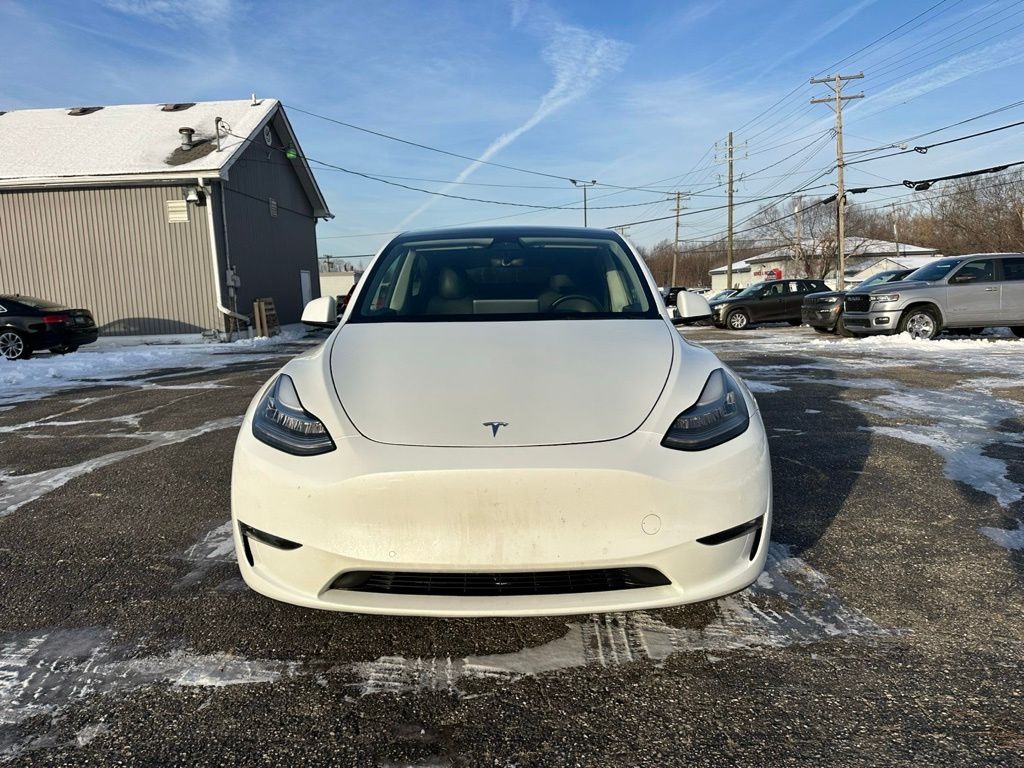
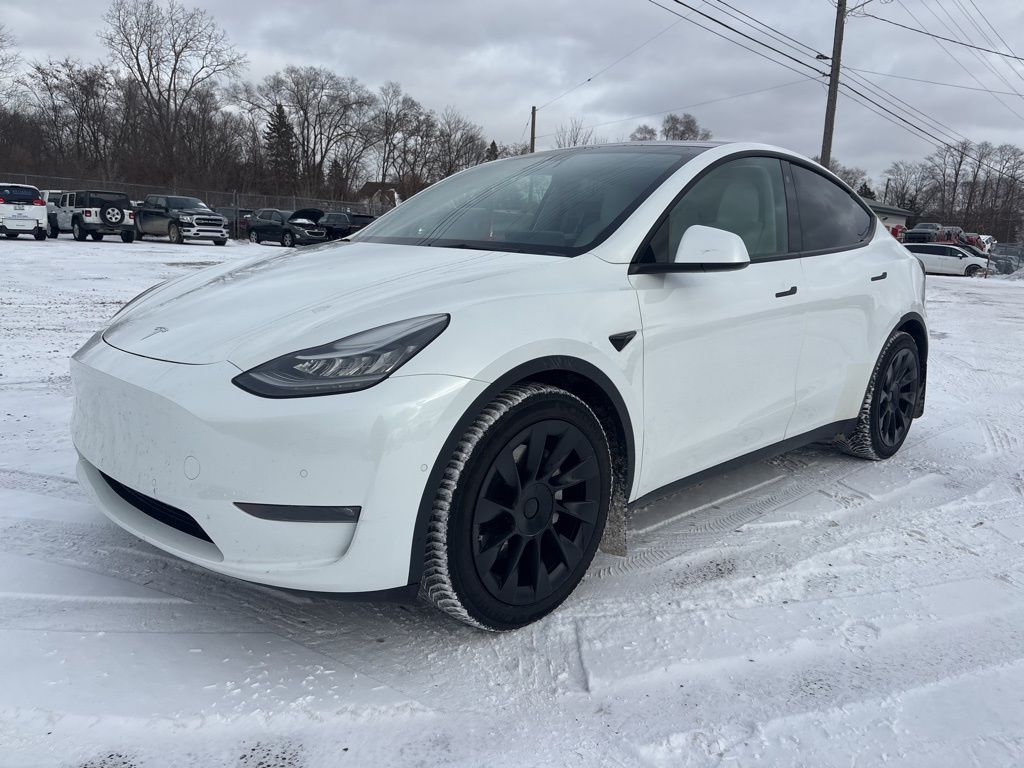
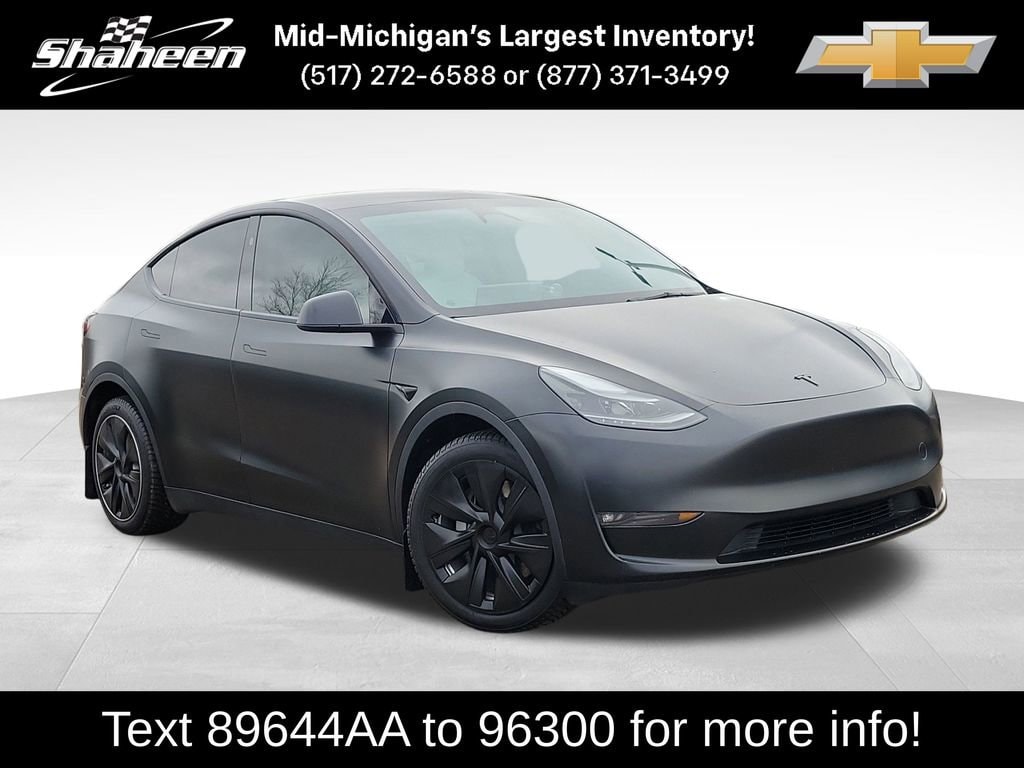
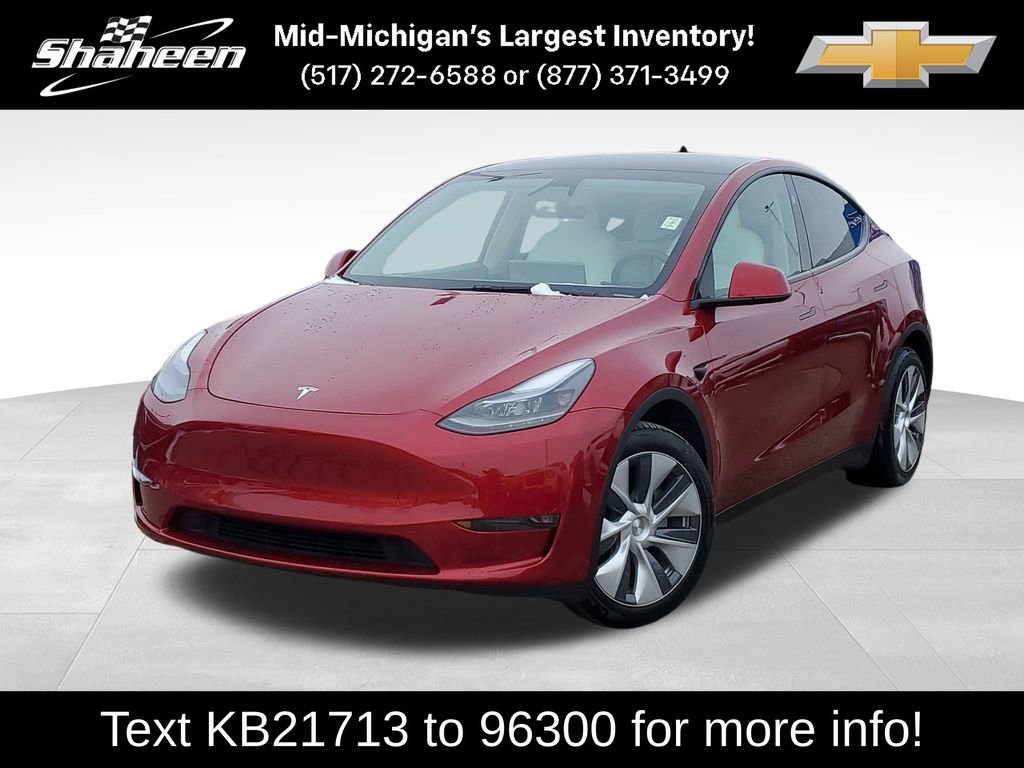
6. Tesla Model 3
- Price: $40,630 (after potential tax credits)
- EPA-estimated range: Up to 272 miles (varies by trim)
The Tesla Model 3 remains a popular choice among EV buyers, combining long-range capability, cutting-edge technology, and access to Tesla’s extensive charging network.
Why It’s a Great Choice:
- Long range compared to competitors in this price range
- Access to Tesla Superchargers for easy long-distance travel
- Industry-leading tech and autopilot features
The $40,630 price includes tax credits, which not all buyers may qualify for. Check eligibility before assuming this price.
7. Kia Niro EV Wind
- Price : $40,975
- EPA-estimated range: 253 miles
For those needing more space without going over budget, the Kia Niro EV is a top contender. With roomy seating, advanced safety features, and a 253-mile range, it’s a well-rounded option for families or road-trippers.
Why It’s a Great Choice:
- Compact SUV with generous cargo space
- Impressive 253-mile range for longer trips
- Packed with modern safety and tech features
It’s on the pricier side of “affordable” EVs, but the extra space and range make it a solid investment.
Why Choose an Affordable Electric Car?
Switching to an electric vehicle isn’t just about helping the environment—it can also save you money. Many drivers don’t realize how much they spend on gas and maintenance each year. Even a budget-friendly EV can lead to big savings over time.
Lower Operating Costs
Electric cars are cheaper to run than gas-powered vehicles. Charging an EV at home often costs 50-75% less than refueling a gas car. Over a year, this can save you $1,000 or more on fuel alone.
Maintenance is also less expensive. EVs don’t need oil changes, transmission repairs, or exhaust system fixes. Fewer moving parts mean fewer breakdowns and lower repair costs.
Government Incentives and Rebates
Federal and state incentives can significantly reduce the cost of a new EV. Some buyers qualify for a $7,500 federal tax credit, while certain states offer additional rebates.
Utility companies may also provide discounts for installing a home charger. These incentives can bring the price of an EV down to a level comparable to gas-powered cars.
Environmental Benefits
Driving an EV reduces carbon emissions and helps lower air pollution. Gas cars release 4.6 metric tons of CO₂ per year, while EVs produce none when charged with renewable energy.
Many modern EVs also use recycled materials in their interiors, making them even more environmentally friendly.
Long-Term Value
EV technology has improved, and newer models hold their value better than before. Many EV batteries now last 150,000 to 200,000 miles, with warranties covering 8-10 years.
As demand for used EVs grows, resale values are becoming more competitive. Some models, like the Tesla Model 3, already retain their value better than many gas cars.
Key Features to Consider When Buying an Electric Car

Choosing the right electric car involves more than just price. Key factors like battery range, charging options, and safety features can make a big difference in everyday use. Here are the most important things to look for when buying an affordable EV.
Battery Range and Performance
An EV’s range determines how far it can go on a full charge. While budget-friendly models typically offer 100 to 250 miles per charge, it’s important to choose one that fits your driving habits.
- City drivers can often manage with a lower range (100-150 miles).
- Commuters and road trippers may need at least 200 miles per charge.
- Cold weather can reduce battery efficiency, so consider a model with extra range if you live in a colder climate.
Check real-world driving tests rather than just relying on the manufacturer’s estimates.
Charging Options and Infrastructure
Not all EVs charge at the same speed. Home charging is the most convenient, but public charging availability is also important.
- Level 1 charging (standard home outlet) is slow—often requiring overnight charging.
- Level 2 charging (240V) can charge most EVs in 4-8 hours.
- DC fast charging can add 100+ miles in 30 minutes, but not all budget EVs support it.
Before buying, check local charging station availability and whether the EV supports fast charging.
Technology and Safety Features
Many budget-friendly EVs still include advanced safety and tech features. Look for:
- Driver assistance (lane-keeping assist, automatic braking, adaptive cruise control).
- Over-the-air software updates, which improve performance over time.
- Warranty coverage (most EV batteries are covered for 8-10 years or 100,000+ miles).
Higher-end models may have self-driving features, but even affordable EVs come with solid safety technology.
Get The Best Out of Your EV Experience
Owning an electric car comes with unique advantages, but getting the most out of it requires smart charging habits and proper battery care. Here are some ways to make your EV more efficient and cost-effective.
Charge Smart to Save Money
Home charging is the cheapest and most convenient option. Many utilities offer lower electricity rates during off-peak hours, usually at night. Charging during these times can reduce your energy costs significantly.
Public fast chargers are great for long trips but can be expensive. Use them only when necessary to avoid paying higher per-kWh rates.
Extend Battery Life
EV batteries degrade over time, but careful use can slow this process. Avoid letting the battery drop below 20% or charging it past 80% unless needed for a long trip. Keeping the charge in this range reduces long-term wear.
Extreme heat and cold can affect battery efficiency. Parking in a garage or shaded area can help maintain battery health in hot weather while preconditioning the car before driving can improve efficiency in winter.
Plan Efficient Routes
Route planning apps like PlugShare or A Better Routeplanner help locate charging stations along your trip. Many EVs also have built-in navigation that factors in charging stops, making long-distance travel easier.
For everyday driving, regenerative braking can help extend range by converting kinetic energy back into battery power. Most EVs also allow you to adjust this setting for maximum efficiency.
Finding the Right Affordable EV
Affordable electric cars are no longer a niche option, they’re practical, cost-effective, and widely available. With lower fuel and maintenance costs, government incentives, and improved battery technology, switching to an EV can be a smart long-term investment.
The best budget-friendly EV for you depends on your driving habits. If you need a city-friendly car, the Mini Cooper SE or Fiat 500e might be ideal. For a longer range and more space, the Hyundai Kona Electric or Kia Niro EV offers great value.
Before making a purchase, compare available incentives, research charging options in your area, and consider test-driving a few models to find the best fit.
Still not sure which affordable EV fits your lifestyle and budget? Take our quick Find Your Car quiz and we’ll match you with the best electric options based on your needs — from trusted dealerships near you.
Frequently asked questions
What is the most affordable electric car in 2025?
The Nissan Leaf S is the most affordable EV in 2025, starting at $29,280. It offers a 149-mile range, making it a great budget-friendly choice for city commuters.
Which budget electric car has the longest range?
The Tesla Model 3 (up to 272 miles) and Kia Niro EV Wind (253 miles) offer the best range among affordable electric cars under $45,000.
Are cheap electric cars worth buying?
Yes! Budget EVs have lower operating costs, federal tax incentives, and minimal maintenance needs. Plus, with improving battery technology, even low-cost EVs offer great mileage and reliability.
Do electric cars qualify for tax credits in 2025?
Many EVs still qualify for the $7,500 federal tax credit, but eligibility depends on the model and where it's made. Some states also offer additional rebates and incentives.
What’s the best cheap electric car for city driving?
The Mini Cooper SE and Fiat 500e are ideal for city driving. They’re compact, stylish, and easy to park, though they have shorter ranges.
How much does it cost to charge an electric car?
Charging at home is much cheaper than buying gas. On average, home charging costs 50-75% less than fueling a gas-powered car. Many utilities offer off-peak rates for even bigger savings.
What’s the best budget EV for road trips?
If you need an affordable EV with long-range capabilities, the Hyundai Ioniq 6 SE (240 miles) or Tesla Model 3 (272 miles) are excellent choices, especially with access to fast charging networks.
Can I charge my EV at home?
Yes, most EV owners charge at home using a Level 1 (standard outlet) or Level 2 (240V) charger. Faster charging options may require professional installation.
Do affordable EVs come with modern features?
Absolutely! Even the cheapest electric cars include advanced safety tech, driver assistance features, and smartphone connectivity. Models like the Tesla Model 3 and Hyundai Ioniq 6 even receive over-the-air software updates.
Related Articles

Advantages and Disadvantages of Buying an Electric Vehicle
The decision to purchase an electric vehicle (EV) is influenced by a myriad of factors ...
Feb 21, 2024 • 3 min read

Hybrid vs. Plug-In Hybrid: Which Is Right for You?
Explore the distinctions between hybrid and plug-in hybrid vehicles.
May 9, 2024 • 3 min read

Luxury Electric Cars: A Comprehensive Guide
Luxury electric cars blend sustainability, performance, and premium design.
Sep 5, 2024 • 7 min read
Electric Commercial Vehicles: Powering the Future of Sustainable Transport
Electric commercial vehicles are transforming transport with eco-friendly benefits and improved performance.
Sep 5, 2024 • 6 min read