Should I Buy a Compact or Midsize SUV?
Published on Apr 16, 2026 • 4 min read
Modified At: Apr 28, 2026
Choosing between a compact and midsize SUV really comes down to how you live day to day and what you need from your car. Both can work well, but they’re built for slightly different priorities. This guide walks you through those differences in a practical way, so you can decide based on how you actually drive.
What Is the Real Difference Between Compact and Midsize SUVs?
At a basic level, the difference comes down to size, but that one factor influences almost everything else, from how the car drives to how much it costs to run.
Compact SUVs
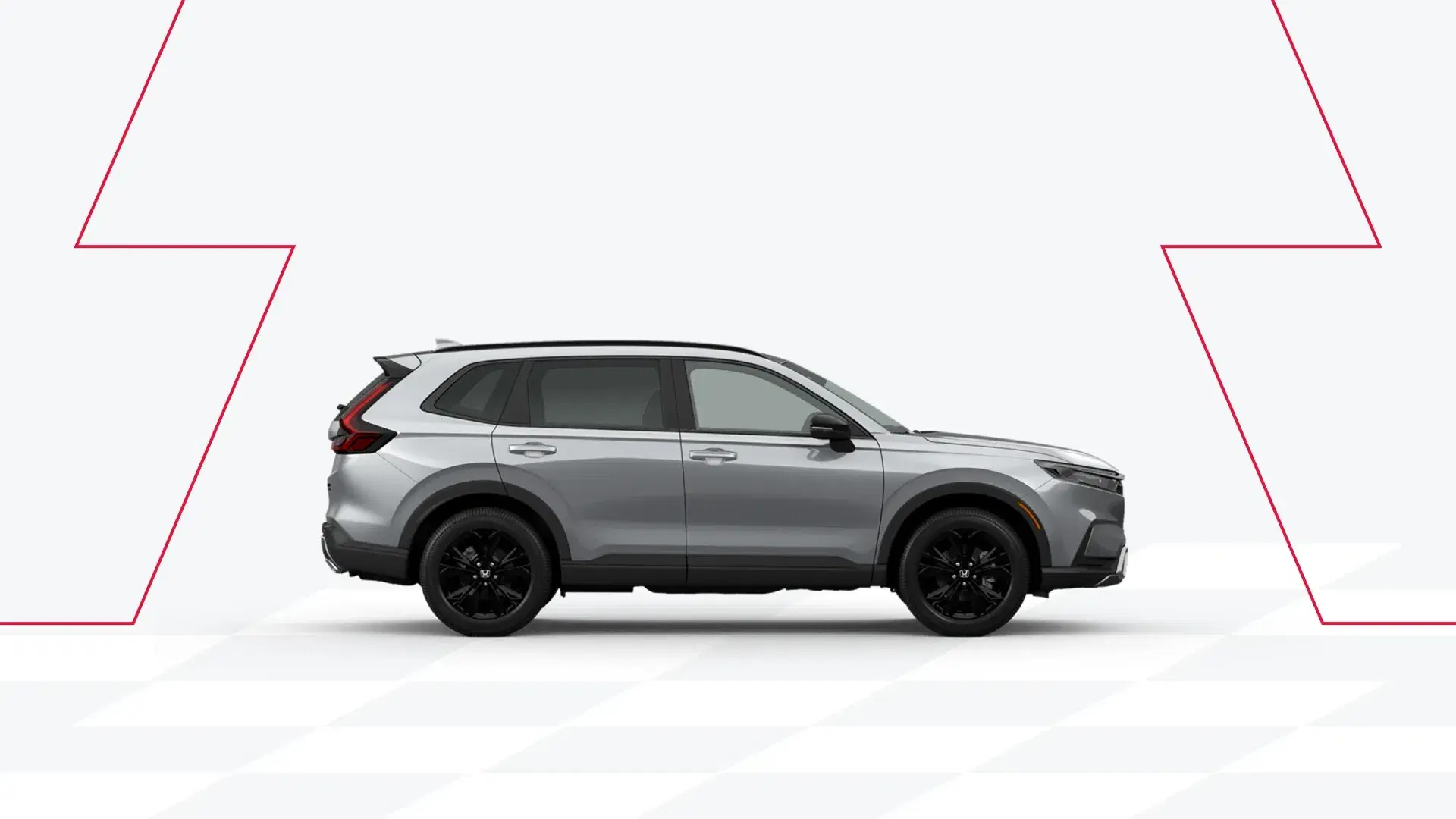
Compact SUVs tend to look closer to a regular car, just slightly taller with a bit more ground clearance. They are shorter in length, with a tighter body and softer, more rounded proportions. Most have two rows and a more streamlined shape, which is why they feel easier to drive and park in everyday situations.
Midsize SUVs
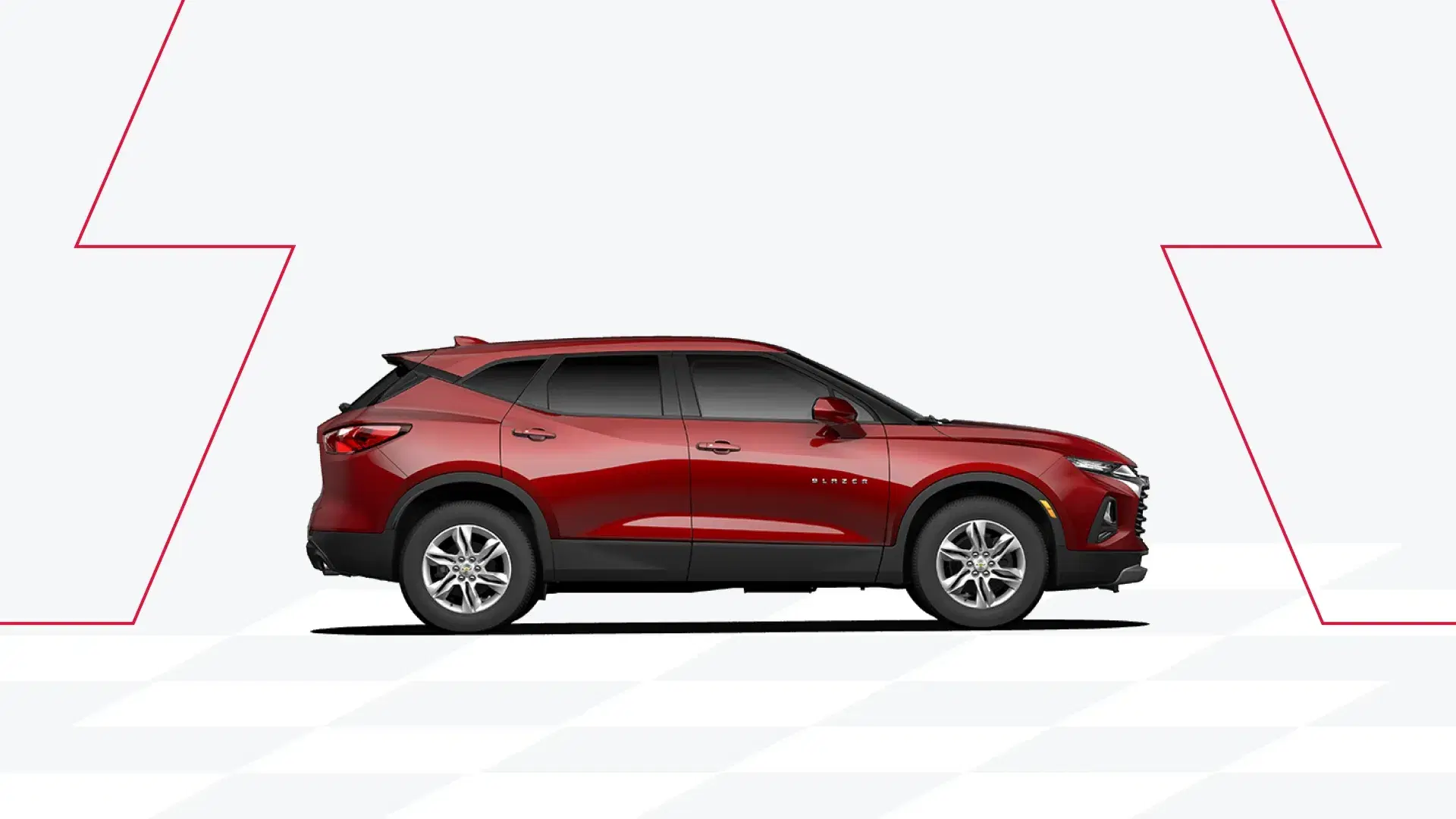
Midsize SUVs have a noticeably larger presence on the road. They are longer, taller, and often more boxy, especially if they include a third row. The extra size gives them a more traditional SUV look, with more interior space and a more upright stance compared to compact models.
Practical Differences
Size and Passenger Space
A compact SUV usually comes with two rows and enough room for five people, which works well for couples or small families.
A midsize SUV adds more space overall, and in many cases a third row, making it the better fit if you regularly carry more than four or five passengers.
Cargo Space and Flexibility
Midsize SUVs give you more room to work with, especially when you start folding seats down. That matters for longer trips or bulky items.
Compact SUVs handle everyday needs just fine, but they can start to feel tight when you’re packing for travel or carrying larger gear.
Fuel Economy and Daily Cost
Because they are smaller and lighter, compact SUVs tend to use less fuel, which makes a noticeable difference if you drive daily.
Midsize SUVs usually come with larger engines and higher fuel consumption, so the running costs are higher over time.
Driving and Parking
In everyday driving, compact SUVs are easier to maneuver and park, especially in cities or tighter spaces.
Midsize SUVs feel larger behind the wheel, which is not a problem on highways or in suburban areas, but can take more effort in tight parking situations.
Power and Capability
Midsize SUVs generally offer more power and higher towing capacity, which makes them a better option if you plan to tow a trailer, boat, or camper.
Compact SUVs are built more for everyday driving and are not designed for heavy-duty use.
Price and Budget
Compact SUVs are usually more affordable upfront and cheaper to run, which makes them a common choice for budget-focused buyers.
Midsize SUVs cost more due to their size, added space, and stronger performance, but they offer more flexibility in return.
Which SUV Fits Your Lifestyle?
In the end, the choice is less about which one is “better” and more about what your daily life actually looks like.
- A compact SUV makes more sense if you want something easy to live with day to day. It fits well for commuting, city or suburban driving, and households that do not need more than five seats. It is also the better option if you want to keep fuel and overall costs lower.
- A midsize SUV makes more sense if you need extra space or flexibility. It works better for families, road trips, or situations where you regularly carry passengers, gear, or need towing capability.
A simple way to think about it: if your driving is mostly routine and predictable, compact usually works. If you often need extra space “just in case,” midsize is the safer choice.

Common Buyer Mistake
A lot of people assume that going bigger is always the safer choice, but that doesn’t always hold up in real life. If most of your driving is solo or with one or two passengers, a midsize SUV can feel like more car than you actually need. On the flip side, a compact SUV can start to feel limiting once your lifestyle changes, like adding kids, traveling more, or carrying extra gear.
A better way to think about it is this: choose the car that fits how you drive most of the time, not the occasional “what if” situation.
How to Decide (Quick Checklist)
If you’re unsure, it helps to step back and think about your actual day-to-day use. Ask yourself things like:
- Do I regularly need more than five seats, or is that only occasional?
- Am I mostly driving in the city, where size and parking matter, or on highways where space is less of an issue?
- How important is fuel cost in my monthly budget?
- And do I realistically need towing capacity or extra cargo space?
Once you answer those, the direction usually becomes clearer. If your needs lean toward efficiency, ease of driving, and lower costs, a compact SUV will likely feel like the better fit. If you consistently need more space, flexibility, or capability, then a midsize SUV makes more sense.
Frequently Asked Questions
Is a midsize SUV safer than a compact SUV?
Both can be safe. Safety depends more on the specific model and features than size alone.
Do midsize SUVs always have a third row?
No. Many offer it, but some midsize SUVs are two-row models focused on cargo space.
Is a compact SUV too small for a family?
Not necessarily. Many families of 3–4 people use compact SUVs comfortably.
Are midsize SUVs harder to drive?
They feel larger, especially in tight spaces, but most modern models have driver-assist features that help.
Do compact SUVs feel underpowered?
For daily driving, no. But they are less powerful than midsize SUVs, especially for towing or heavy loads.
Which holds value better?
Both can hold value well. It depends more on the model, brand, and condition.
Should I size up for “future needs”?
Only if those needs are likely soon. Otherwise, you may pay more for space you rarely use.
Related Articles

How to Buy a Car Online? Step-by-Step Guide
Dec 19, 2024 • 5 min read

Should You Buy a Car With an Accident History? Pros, Cons, and What to Check
Did you know that nearly one in four used cars has been in a reported accident? If you’re considering buying...
Jan 30, 2025 • 5 min read
Hyundai Buyer's Guide: Reliability, Efficiency, Models, Value, Cost, and Safety
Oct 2, 2025 • 5 min read