How Old Is Too Old for a Used Car?
Published on Jan 23, 2025 • 5 min read
Modified At: Jan 28, 2026
How old should a used car be? The short answer is that (unfortunately) age alone rarely paints the full picture. Today’s vehicles are built to last, so understanding how old a used car should be means looking at the age, mileage, maintenance history, and safety features together, not in isolation.
This guide breaks down what “too old” really means, focusing on used car mileage vs age so you can make an informed choice.
How Old Should a Used Car Be for Most Buyers?
For many shoppers, especially first-time buyers, the sweet spot is often a used car that is about 4 to 8 years old. Vehicles in this range usually offer a strong balance of depreciation savings, modern safety equipment, and manageable maintenance costs. They are old enough to be affordable but new enough to avoid the biggest reliability risks.
That said, a car does not suddenly become unreliable once it hits a certain birthday. The average vehicle on U.S. roads is now around 12 to 13 years old, which shows how long modern cars can realistically last when properly cared for. A well-maintained 10-year-old vehicle can still be a smart and dependable purchase.
Understanding Depreciation
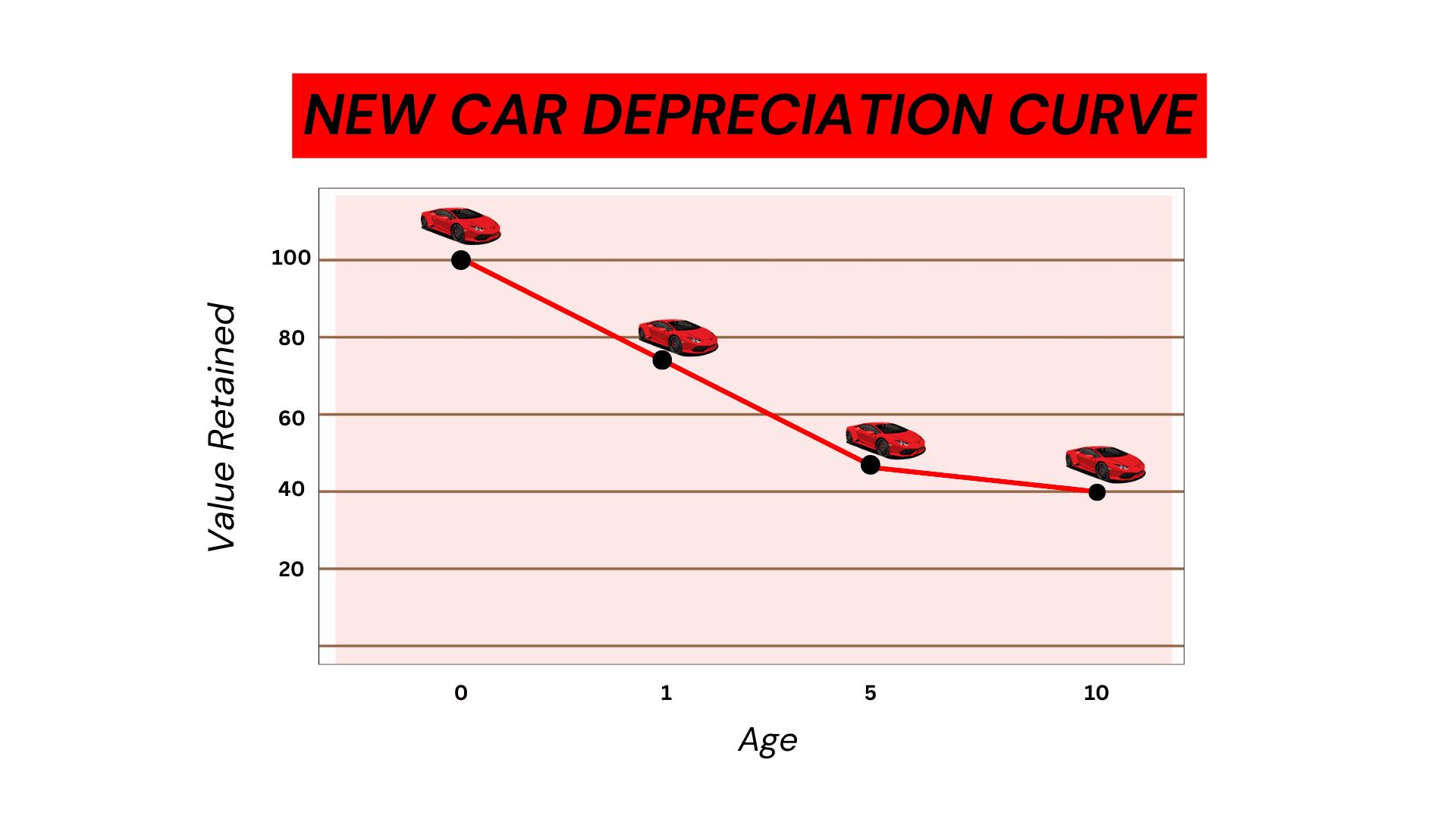
Depreciation plays a significant role in determining a car’s value over time, so recognizing its patterns can help you minimize losses and make a smart investment.
Depreciation Curve:
- New cars lose up to 20-30% of value in the first year.
- By the fifth year, a car can depreciate by about 50%.
- Depreciation slows significantly after the first few years.
When a Used Car Starts to Feel “Too Old”
A used car typically starts to feel too old when the downsides of age outweigh the money you save upfront. That point often shows up around the 12 to 15 year range, but it depends heavily on the individual vehicle. The following factors usually signal that a car has crossed that line:
- It lacks key safety basics. The car is missing protections that matter to you, such as electronic stability control, side curtain airbags, or modern crash structures.
- Age-related wear is catching up. Rubber hoses, seals, suspension components, cooling system parts, and gaskets are deteriorating simply due to time, even if mileage is not especially high.
- Maintenance history is unclear or incomplete. The seller cannot show consistent service records, or the car is already behind on major scheduled maintenance.
- It needs immediate catch-up repairs. Worn tires, brakes, suspension issues, fluid leaks, or warning lights turn a low purchase price into ongoing expense.
- Technology feels too dated. Outdated safety tech, poor crash protection, or missing convenience features no longer fit your daily driving needs.
- It no longer matches real life. The reliability risk, safety tradeoffs, or expected repair costs do not align with your commute, budget, or tolerance for inconvenience.
When several of these factors apply at once, that is usually a clearer indicator of “too old” than age or mileage alone.
Age vs. Mileage When It Comes to Reliability
When you’re trying to decide between used car mileage vs age, it’s easy to focus on the numbers. In reality, how the car was driven and cared for usually matters more than either one by itself.
Why Age Still Matters
Even if the mileage looks reasonable, age brings its own set of issues. Over time, materials simply break down. Rubber hoses, belts, gaskets, and suspension bushings dry out and can start leaking or cracking. Electronics are affected too, as sensors, wiring, and control modules can fail as they age. Suspension wear is especially easy to miss because the car may feel acceptable on a short test drive, even though costly suspension work is approaching.
Why Mileage Still Matters
Mileage tells you how much mechanical work the car has actually done. High mileage is not automatically a red flag, especially when service is well documented, but it does increase the odds that major maintenance is coming up. Timing belt or chain services, transmission fluid changes, and cooling system repairs tend to appear at higher mileages. Wear items like brakes, tires, wheel bearings, and struts also tend to reach replacement windows around the same time.
Just as important as the number itself is how those miles were accumulated. Long highway trips are generally easier on a vehicle than constant stop-and-go driving, which is why understanding highway miles vs city miles when buying a used car can completely change how you interpret the odometer before making a decision.
Reliability and Maintenance Expectations
Reliability depends far more on maintenance history than age or mileage alone. Cars that received regular oil changes, fluid services, and timely repairs usually age far better than neglected ones. Once vehicles move past the 10-year mark, higher upkeep is normal, particularly for suspension, brakes, exhaust, and cooling systems.
This is also where process matters. Knowing how to inspect a used car before buying and checking vehicle history before buying a used car can reveal red flags that age alone never will.
Safety Milestones That Matter More Than the Model Year
Safety is often the main reason buyers draw a line on used car age. Over the last decade, vehicles have gained stronger crash structures and more electronic safety aids, creating clear safety milestones that matter more than the model year alone.
- Electronic stability control (ESC). Widely considered essential for crash avoidance, ESC became standard on all new vehicles around the 2012 model year.
- Airbags and crash structure. Cars from the last 10 to 12 years are far more likely to include multiple airbags and improved crash protection designs.
- Backup cameras. Required on all new vehicles starting May 1, 2018. Older cars may have one, but it is not guaranteed and varies by trim.
- Automatic emergency braking (AEB). Forward-collision warning with AEB can reduce rear-end crashes, but it is more common on newer used cars and often trim-dependent.
- Widening safety gap. Older cars are not automatically unsafe, but the further back you go, the more noticeable the lack of modern protections becomes.
For safety-focused buyers, especially new or younger drivers, staying within roughly the last decade often provides a more consistent baseline of essential safety features.
Are Older Cars Ever the Right Choice?
Older used cars can still make sense for the right buyer. If affordability is your top priority and you are comfortable budgeting for occasional repairs, a well-maintained car that is 12 to 15 years old can still deliver reliable transportation.
Certain models are known to hold up particularly well over time, especially when maintenance has been consistent. Choosing a vehicle with a proven long-term reliability record can reduce the risk associated with buying older.
The tradeoff is predictability. Older vehicles tend to require more attention, even if they are fundamentally sound.
Frequently Asked Questions
Is there a maximum age you should avoid when financing a used car?
Yes. Many lenders place limits on age and mileage, often around 10 years old or 100,000 to 125,000 miles. Even if the car is reliable, financing may not be an option.
Are low-mileage older cars always a safer bet?
Not necessarily. Cars that sit for long periods can develop dry seals, fluid issues, and rubber deterioration. Condition and maintenance matter more than unusually low mileage.
When does an older used car stop being cost-effective?
A car usually stops making financial sense when repair and maintenance costs begin to rival monthly payments on a newer used vehicle.
Is it risky to buy an older car without service records?
Yes. Missing maintenance documentation makes it difficult to judge how the car was treated and increases the risk of hidden or deferred repairs.
Can an older used car still be reliable as a daily driver?
It can, especially if it has documented maintenance, passes a professional inspection, and fits your driving needs. Reliability becomes more about preparation than age.
What’s the smartest final step before committing to an older used car?
A pre-purchase inspection by a trusted mechanic. It provides clarity on upcoming repairs and often prevents costly surprises after purchase.
Related Articles

Navigating the Digital Highway: The Ultimate Guide to Buying a Used Car Online
The process of buying a used car has undergone a profound transformation.
Apr 22, 2025 • 3 min read

Maximizing Your Car's Value Online
The Power of Pictures, VIN Numbers, and Descriptions on AutosToday.
Oct 16, 2023 • 3 min read

The Benefits of Negotiating Your Car Deal Online
Prospective buyers are more discerning and well-informed than ever before.
Dec 3, 2023 • 3 min read

A Guide to Selling Your Car with AutosToday.com
Selling your car can be a daunting task, but with the right platform, it can be a seamless experience.
Feb 21, 2024 • 3 min read