Should I Buy an SUV or a Hatchback?
Published on Apr 8, 2026 • 4 min read
Modified At: Apr 28, 2026
Deciding whether to buy an SUV or a hatchback is like choosing between a backpack and a suitcase. One is built for carrying more and going anywhere, while the other is compact, efficient, and easier to handle day to day. Both are useful, and both serve their purpose, but the right choice depends on your lifestyle and driving needs.
Which is why in this comparison guide, you’ll find the best of what both have to offer, where they differ, where they fall short, and which one is for you.
SUV vs. Hatchback: Basic Understanding
SUVs are tall, spacious vehicles known for their impressive size. Because they sit higher on the ground, they provide better visibility of the road to the driver. Additionally, because of their size and often being Four Wheel Drive or All Wheel Drive vehicles, they’re ideal for rough terrain and uneven surfaces. This is one of the many reasons why families prefer SUVs, as they’re ideal for long trips and camping.

Hatchbacks are smaller, more compact vehicles that get their name from the rear hatch door, which opens upward to access the cargo area. Unlike traditional sedans, hatchbacks combine passenger and cargo space into a single, continuous area, making them practical despite their smaller size. They are designed primarily for city driving, offering excellent maneuverability, fuel efficiency, and ease of parking.
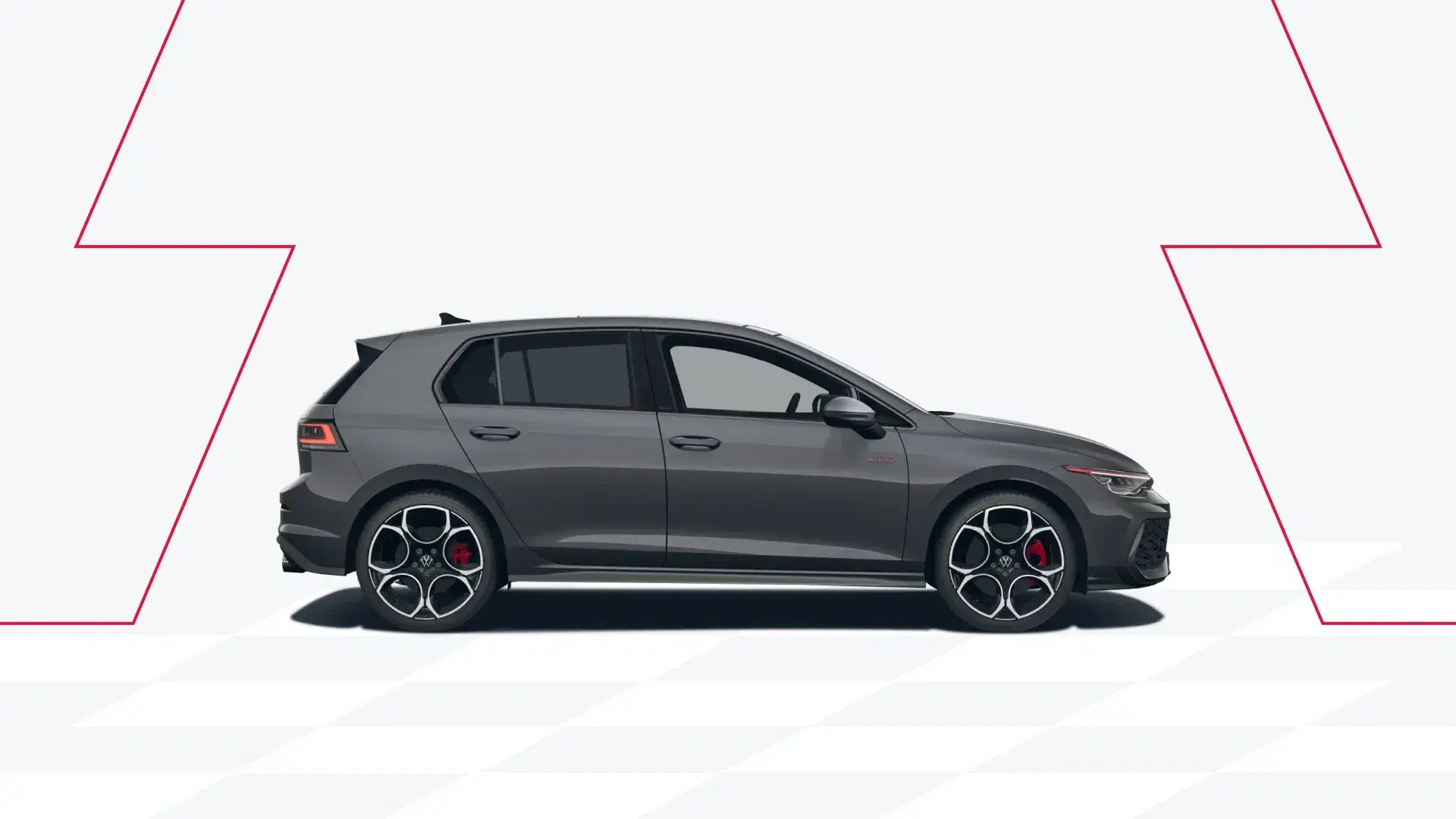
Passenger Space and Seating
Space and passenger seating are also among the most noticeable features that set SUVs and hatchbacks apart.
SUVs are built to have more space and a more flexible seating arrangement. Most models come with two rows of seating while larger SUVs often include a third row, accommodating up to seven passengers. The seating position is higher, which provides a more open, airy feel inside the cabin. Because SUVs are usually larger, they also carry bigger items well due to a large cargo space.
Hatchbacks may be smaller, but they are designed with efficient use of space in mind. Most hatchbacks seat four to five passengers, but due to their size, the rear seating area is more limited when compared to an SUV. Because of their body type, the seating position is also lower, creating a more car-like, driver-focused feel. Because they’re designed to maximize usability, they have features like split-folding rear seats or flat-fold configurations. They are, however, more limited in cargo space, which means storing larger items becomes an issue if you’re someone who regularly needs the trunk space.
Practicality and Cargo Space
Both SUVs and hatchbacks offer practicality, but they approach it in very different ways.
SUVs offer a larger and more adaptable cargo area. Their boxier designs allow them to have more storage space, so you can easily store strollers, sports gear, suitcases, or even furniture. Most SUVs feature wide-opening tailgates, power liftgates, and adjustable rear seating for maximum space. Additionally, they often have hidden storage compartments, roof rails, and higher payload capacity, ultimately making them ideal for camping trips or outdoor activities.
Hatchbacks have a rear hatch door that opens upward to reveal a cargo area that is connected to the cabin, allowing for quick and easy loading. One of the many reasons why hatchbacks are perfect for daily errands, grocery shopping, loading backpacks, and carrying small luggage. Their lower loading height is another advantage, making it easier to lift items in and out. However, they cannot account for the overall capacity of an SUV when it comes to storage or cargo space.
Cost and Insurance
Cost is another factor you have to consider when deciding between an SUV and a hatchback.
SUVs cost more because of their size, their more complex engineering, and additional features such as their all-wheel drive systems. Furthermore, they also have a higher consumption of oil because of their larger engines. This all contributes to more costly maintenance and repairs. Also, insurance tends to be more expensive for SUVs than for other smaller vehicles, such as hatchbacks or even sedans.
Hatchbacks are cheaper to own and operate. They have a lower purchase price, better fuel efficiency, and lower maintenance costs due to their simpler design and smaller components. Their lighter weight also reduces wear and tear on the brakes and tires. All in all, they’re also cheaper to insure. This is why they’re ideal for first-time car owners, city drivers, or anyone looking to buy a cheaper, comfortable vehicle.
SUV vs Hatchback: Where Do They Fall Short?
Both body styles offer clear advantages, but they also come with certain compromises.
SUV Downsides
The biggest downsides of SUVs include the following:
- Higher fuel consumption
- SUVs can be harder to park or maneuver in tight urban environments.
- SUVs are more expensive than smaller vehicles.
Hatchback Downsides
Hatchbacks have the following limitations:
- Limited cargo space
- Less suitable for rough roads or uneven terrain.
- Less powerful engines prioritize efficiency over performance.
Popular SUV Models
Some of the most popular SUVs on the market include:
Popular Hatchback Models
Well-known hatchbacks include:
Which One Should You Go For?
Choose an SUV if you:
- Need more passenger and cargo space
- Frequently travel with family or friends
- Want a higher driving position and a versatile vehicle
- Regularly drive in rough terrains
Choose a hatchback if you:
- Mostly drive in the city
- Prefer a compact and fuel-efficient car
- Want something affordable and easy to maneuver
Frequently Asked Questions
Which is the better option for a first-time driver?
A hatchback is the better option for a first-time driver and first-time car owner. They are easier to drive, park, and even cheaper to buy, insure, and own in the long-term.
Does an SUV last longer than a hatchback?
How long a car lasts doesn’t depend on the body style of the car. While it may seem that SUVs can last longer because of their bigger bodies and larger engines, both can last a long time with the proper care and maintenance.
Are SUVs safer than hatchbacks?
Safety depends more on the make and model of the car rather than the body style itself. However, accident reports show that SUV drivers are often more likely to survive head-on collisions due to the vehicle’s larger size and higher ride height.
At the same time, SUVs can cause more damage to smaller vehicles like hatchbacks in a crash. Overall, safety depends on factors such as driver behavior, road conditions, and the specific vehicle.
Which is better for long-distance driving?
SUVs tend to perform better for long-distance driving, mainly because of their larger engine and build, which can survive on all kinds of roads.
Related Articles

How to Buy a Car Online? Step-by-Step Guide
Dec 19, 2024 • 5 min read

Should You Buy a Car With an Accident History? Pros, Cons, and What to Check
Did you know that nearly one in four used cars has been in a reported accident? If you’re considering buying...
Jan 30, 2025 • 5 min read
Hyundai Buyer's Guide: Reliability, Efficiency, Models, Value, Cost, and Safety
Oct 2, 2025 • 5 min read