SUV vs Sedan vs Hatchback: What's the Different & Which Should You Buy?
Published on Apr 3, 2026 • 5 min read
Modified At: Apr 16, 2026
Choosing between a hatchback, sedan, or SUV is one of the first major decisions most car buyers face. Each body style serves a different purpose, and the right choice depends less on trends and more on how you actually plan to use your car.
This guide explains the main differences between hatchbacks, sedans, and SUVs, then walks through why each type makes sense based on real-world characteristics like space, fuel efficiency, comfort, and ownership costs.
Understanding the Three Main Car Types
Before comparing advantages, it helps to understand how each body style is designed and what that design means in everyday use.
SUVs
SUVs use a taller two-box design, similar in concept to a hatchback but on a larger scale. Most modern SUVs sold in the U.S. are crossovers, meaning they are built on car platforms rather than truck frames.
The defining traits of SUVs include higher ground clearance, a more upright seating position, and significantly more cargo space.

Many SUVs offer all-wheel drive, making them appealing in regions with snow or poor road conditions.
Popular models of SUVs include the Honda CR-V and Toyota RAV4.
Sedans
A sedan has a three-box design, separating the engine, passenger cabin, and trunk into distinct sections. The trunk is enclosed and isolated from the interior, which improves noise control and security.
Sedans typically sit lower to the ground, which contributes to stable handling and good fuel efficiency. They are available in compact, midsize, and full-size categories.
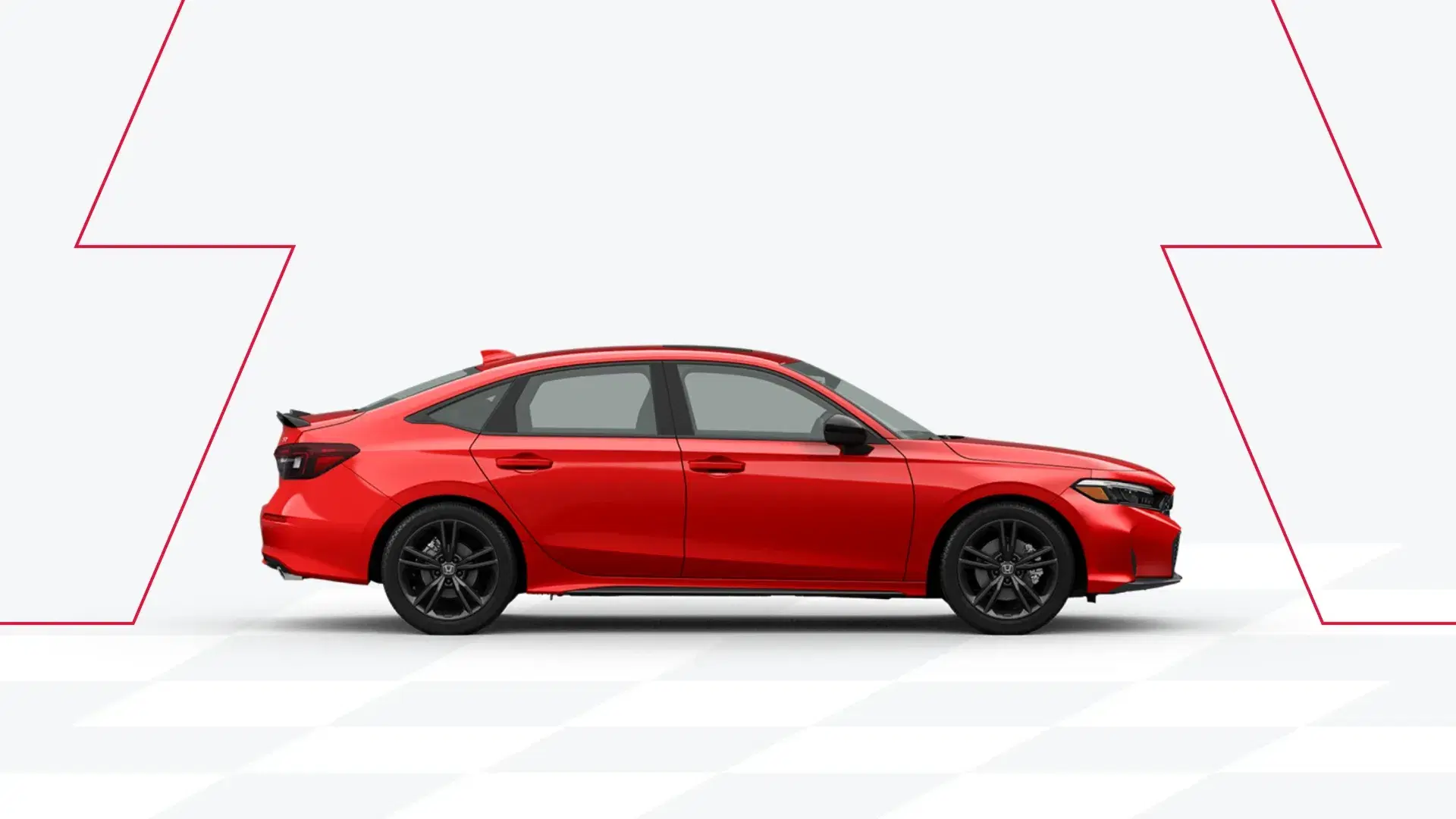
Well-known examples of sedans include the Toyota Camry and Hyundai Elantra.
Hatchbacks
In a hatchback, the passenger and cargo area are combined. Instead of a separate trunk, the rear opens upward as a hatch, giving direct access to the cargo area. This layout is known as a two-box design.
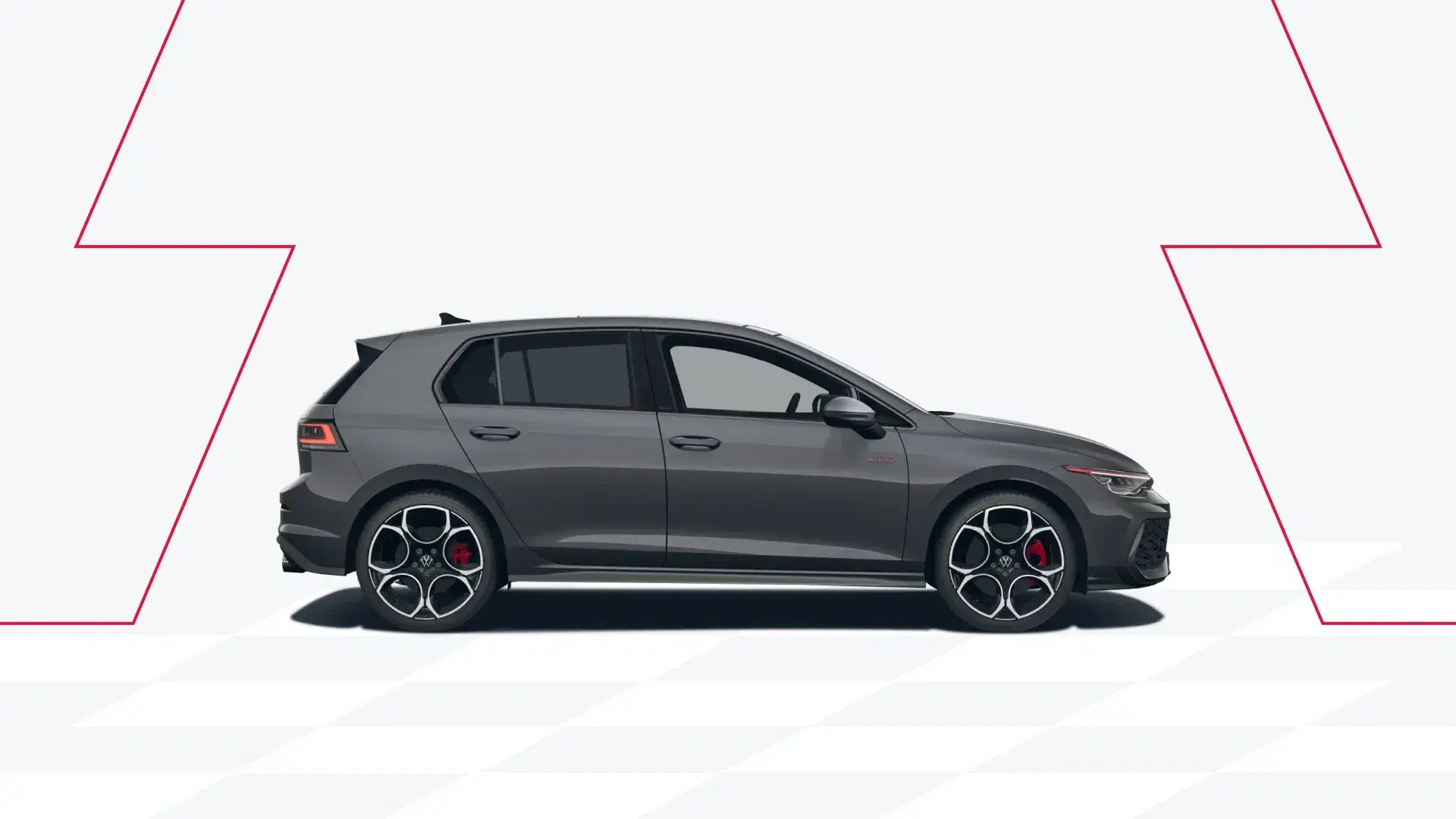
Hatchbacks are usually shorter than sedans, which helps with parking and maneuvering in tight spaces. Most of them have folding rear seats that allow the cargo area to expand, and make it possible to carry bulky items that would not fit in a traditional trunk.
Popular examples of hatchbacks are models like the Honda Civic Hatchback and Toyota Corolla Hatchback.
Key Differences: SUV vs Sedan vs Hatchback
To narrow down which is your best option even further, it helps to understand how these vehicles differ in daily use:
Size, Parking, and Maneuverability
Hatchbacks tend to be the easiest vehicles to drive and park, especially in cities. Their shorter length and tighter turning radius make tight streets, crowded parking lots, and parallel parking feel more manageable.
Sedans are a bit longer because of the separate trunk. They are still easy to handle, but parking can require a little more attention in tight spots. In most compact sedans, though, the difference compared to a hatchback is small.
SUVs sit higher and are usually wider. That extra size can make parking more challenging, particularly in narrow garages or busy urban streets. Many newer SUVs include parking sensors and cameras that help, but new drivers often notice the extra bulk.
Fuel Efficiency and Maintenance Costs
Hatchbacks and sedans usually deliver the best fuel economy. They weigh less than SUVs and have a lower profile, which helps them use less fuel, especially on the highway. This translates into lower running costs over time.
SUVs generally consume more fuel because they are heavier and taller. Efficiency has improved a lot in recent years, particularly with hybrid SUVs, but many still use more fuel than smaller cars.
Maintenance costs often follow a similar pattern. Hatchbacks and sedans tend to use smaller tires and simpler mechanical setups, which can keep routine service more affordable. SUVs sometimes require larger tires and additional components, especially if they use all-wheel drive systems.
Cargo Space and Flexibility
SUVs offer the most cargo space out of all three car types. Even compact SUVs can handle large loads comfortably, which is why many families and outdoorsy drivers prefer them.
Hatchbacks offer the most flexibility. The rear door opens into the cabin, and the back seats usually fold down to create a larger, flat cargo area. This layout makes it easier to carry items like bicycles, furniture boxes, or bulky gear.
Sedans are not as practical as the other two when it comes to cargo and flexibility. The sedan’s trunk works well for groceries, suitcases, and everyday errands but the main limitation is that larger items may not fit through the trunk opening.
Passenger Comfort and Seating
Sedans are often known for smooth, quiet rides. Their lower center of gravity helps reduce body movement, which many people find comfortable on longer trips.
Hatchbacks usually offer similar comfort in the front seats, since many share the same platform as sedans. Rear seating can feel a little tighter depending on the model, and taller passengers sometimes notice less headroom.
SUVs provide more headroom and a higher seating position. Many drivers like this upright posture because it makes getting in and out easier and gives a clearer view of the road ahead.
Safety
In general, SUVs provide more “built-in” protection in multi-vehicle crashes because they’re usually bigger and heavier. The Insurance Institute for Highway Safety explains that a larger vehicle typically has more structure in front of the cabin to absorb energy in a frontal impact, and the heavier vehicle tends to subject its occupants to less force in a collision with a lighter vehicle.
That said, hatchbacks and sedans can still be very safe, especially newer models with strong crash-test performance and modern restraint systems. The important nuance is that crashworthiness ratings are designed to help you compare vehicles within a similar class, while real-world crash outcomes also depend on what you’re hit by and at what speed.
“Bigger is safer” also has limits. Research by IIHS suggests that once vehicles exceed the fleet-average weight, the extra safety benefit for the occupants drops off quickly, while the added mass can increase danger to people in other vehicles.
Cost, Insurance, and Long-Term Value
Sedans and hatchbacks tend to have lower purchase prices, which reduces monthly payments and overall financial risk for first-time buyers. They also cost less to fuel and maintain over time.
SUVs often have higher upfront costs but can retain value better due to strong market demand. Insurance rates vary by model, but SUVs are sometimes competitively priced due to their safety records.
Long-term value depends on how long you plan to keep the vehicle. If you expect to upgrade in a few years, resale value may favor an SUV. If you plan to keep the car long-term, a sedan or hatchback can be more cost-effective.
Bottom Line: Which Should You Choose?
Buy an SUV If…
You should buy an SUV if:
- You need more space and flexibility for passengers or cargo.
- You want a higher seating position, generous headroom, and easier entry and exit. These features can make daily driving more comfortable and give you a clearer view of the road.
- You want available all-wheel drive for added traction in rain, snow, or rough roads.
This option fits drivers who want one vehicle that can handle commuting, family use, travel, and changing lifestyle needs.
Buy a Sedan If…
You should buy a sedan if:
- You want a comfortable, efficient vehicle with a traditional driving feel.
- You prefer a quieter cabin and a secure trunk. Sedans isolate cargo from the passenger area, which helps reduce noise and keeps your items hidden.
- You drive longer distances. Sedans tend to offer a smooth highway ride, stable handling, and good fuel economy.
This option fits drivers who mostly commute, take road trips, or regularly carry passengers rather than bulky cargo.
Buy a Hatchback If…
You should buy a hatchback if:
- You want a practical, efficient car but do not need the size of an SUV.
- You want a car that works well in cities. Their compact size makes parking easier, and the rear hatch allows you to carry larger items when the back seats fold down.
- You want lower ownership costs.
This option fits drivers who mostly commute, occasionally carry bulky items, and want a small car that is easy to live with every day.
Frequently Asked Questions
Is a hatchback safer than a sedan or SUV?
Safety depends more on the specific model and safety features than body style. Modern hatchbacks, sedans, and SUVs all perform well in crash tests.
Do SUVs always cost more to insure?
Not always. Insurance depends on repair costs, safety ratings, and driver profile. Some compact SUVs are insured at similar or lower rates than sedans.
Which body style is best for fuel economy?
Sedans and hatchbacks generally offer better fuel efficiency due to lower weight and aerodynamic design.
Are hatchbacks good for families?
They can work for small families, especially with one child, but space may feel limited compared to SUVs.
Should first-time buyers avoid SUVs?
No. SUVs are beginner-friendly, but buyers should be aware of higher costs and larger size before deciding. By understanding the strengths of each body type, you can confidently choose the car that fits your lifestyle today and adapts to your needs tomorrow.
Related Articles

How to Buy a Car Online? Step-by-Step Guide
Dec 19, 2024 • 5 min read

Should You Buy a Car With an Accident History? Pros, Cons, and What to Check
Did you know that nearly one in four used cars has been in a reported accident? If you’re considering buying...
Jan 30, 2025 • 5 min read
Hyundai Buyer's Guide: Reliability, Efficiency, Models, Value, Cost, and Safety
Oct 2, 2025 • 5 min read