Top Car Safety Features
Published on Dec 19, 2024 • 5 min read
Modified At: Dec 20, 2024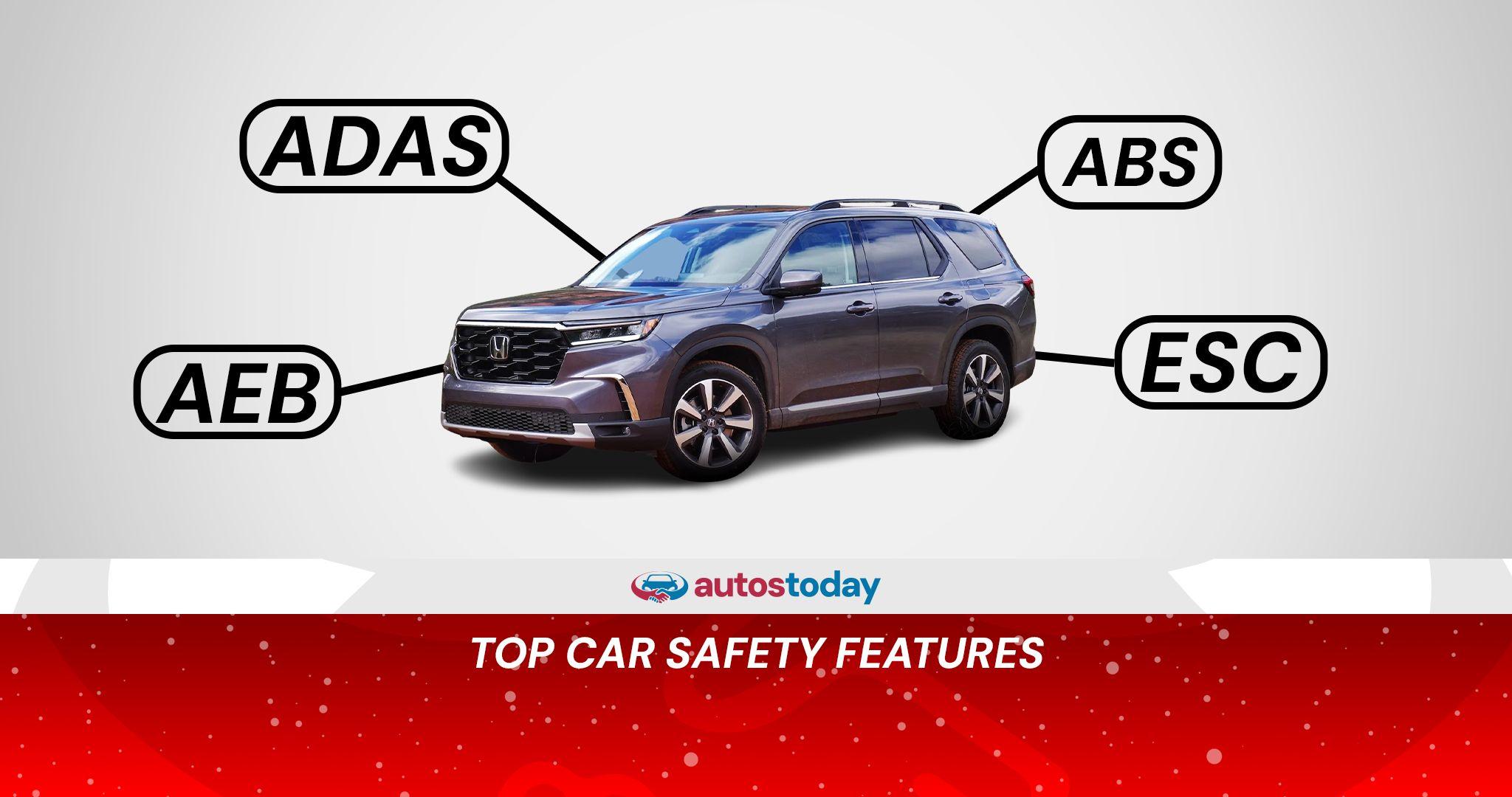
The most crucial car safety features to look for include Advanced Driver Assistance Systems (ADAS), Anti-lock Brake Systems (ABS), Electronic Stability Control (ESC), Automatic Emergency Brakes (AEB), and airbags. These technologies work together to improve vehicle safety and reduce the risk of accidents.
Understanding Essential Car Safety Features
1. Advanced Driver Assistance Systems (ADAS)
Imagine having an attentive co-pilot by your side, always ready to avoid unforeseen risks. That is precisely what Advanced Driver Assistance Systems (ADAS) provide. These intelligent technologies utilize a complex network of sensors, cameras, and algorithms to offer features like:
- Adaptive Cruise Control: This feature automatically adjusts your vehicle's speed to maintain a safe distance from the car in front of you. It can slow down or speed up as needed, making highway driving more relaxed and reducing fatigue.
- Lane-Keeping Assistance: This system helps keep your vehicle centered in its lane by providing gentle steering inputs if you begin to drift without signaling. It’s particularly useful on long trips where driver fatigue can lead to lapses in attention.
- Blind-Spot Monitoring: Using radar or cameras, this feature alerts you to vehicles in adjacent lanes that may be out of view when changing lanes. Some systems even provide visual or audible warnings if you attempt to change lanes when another vehicle is present.
According to the National Highway Traffic Safety Administration (NHTSA), these systems can significantly reduce collision rates by providing real-time feedback and interventions, ultimately making driving safer for everyone on the road.
2. Anti-lock Braking System (ABS)
The Anti-lock Braking System (ABS) is a dependable ally in emergency braking conditions. It prevents wheel lock-up during hard braking, allowing for better steering control. ABS works by rapidly pulsing brake pressure to each tire, which helps maintain traction with the road surface.
- Enhanced Control: When you brake hard, especially on slippery surfaces like ice or wet roads, ABS allows you to steer while braking. This is crucial for avoiding obstacles and maintaining control of your vehicle during emergency situations.
- Shorter Stopping Distances: While ABS doesn’t necessarily shorten stopping distances on all surfaces, it can help prevent skidding and loss of control, which are critical factors in avoiding accidents.
- Driver Awareness: Many drivers may feel a pulsating sensation in the brake pedal when ABS engages; this is normal and indicates that the system is working correctly.
3. Electronic Stability Control (ESC)
Electronic Stability Control (ESC) is crucial for maintaining control during sudden maneuvers or slippery conditions. This system monitors various data such as steering input, wheel speed, and lateral acceleration.
- Loss of Control Prevention: When ESC detects that the vehicle is losing traction—such as during sharp turns or on slippery surfaces—it intervenes by selectively applying brakes to individual wheels and adjusting engine power. This helps bring the vehicle back under control.
- Improved Handling: ESC enhances overall handling by helping drivers maintain control during challenging driving conditions like rain, snow, or ice. It’s particularly beneficial for SUVs and trucks, which may have a higher center of gravity and are more prone to rollovers.
- Research Backing: Studies have shown that vehicles equipped with ESC are significantly less likely to be involved in fatal crashes compared to those without this technology.
4. Automatic Emergency Braking (AEB)
Automatic Emergency Braking (AEB) is designed to prevent collisions by detecting obstacles ahead and automatically applying the brakes if necessary.
- Collision Avoidance: AEB systems use sensors and cameras to monitor traffic conditions ahead. If they detect an imminent collision with another vehicle or a pedestrian, they can apply the brakes automatically if you do not react in time.
- Enhanced Safety Features: Many AEB systems are integrated with other safety technologies like Forward Collision Warning (FCW), which alerts drivers before a potential collision occurs. Together, these features work to minimize accidents effectively.
- Statistical Impact: According to IIHS research, AEB can reduce rear-end collisions by up to 50%, making it one of the most effective safety technologies available today.
5. Airbags
Airbags are vital components of modern vehicle safety systems designed to protect occupants during a collision.
- Rapid Deployment: Airbags deploy within milliseconds of a crash, providing a cushion between occupants and hard surfaces inside the vehicle. They are designed to inflate quickly but also deflate rapidly after impact to avoid injury from prolonged contact.
- Variety of Airbags: Modern vehicles may come equipped with multiple types of airbags including front airbags for driver and passenger protection, side airbags for side-impact protection, curtain airbags that deploy from above during rollovers, and knee airbags that protect lower extremities.
- Complementary Safety Feature: While airbags significantly enhance occupant protection, they work best when combined with seat belts. Always ensure that all passengers wear seat belts properly for maximum safety benefits.
Conclusion
When it comes to car safety features, knowledge is power. Understanding these essential technologies can help you make informed decisions when purchasing or upgrading your vehicle. From Advanced Driver Assistance Systems (ADAS) to Airbags, these features work together to enhance safety on the road.
Key Takeaways
- Look for Advanced Driver Assistance Systems (ADAS) for enhanced safety.
- Anti-lock Braking System (ABS) helps maintain control during emergency braking.
- Electronic Stability Control (ESC) aids in maintaining vehicle stability in slippery conditions.
- Automatic Emergency Braking (AEB) significantly reduces collision risks.
- Airbags provide critical protection during collisions.
Frequently Asked Questions
What are the most important safety features in a car?
The most important safety features include Advanced Driver Assistance Systems (ADAS), Anti-lock Break Systems (ABS), Electronic Stability Control (ESC), Automatic Emergency Braking (AEB), and airbags.
How do I know if my car has these safety features?
Check your vehicle's owner manual or consult with your dealership about which safety features are included in your model.
Are newer cars safer than older models?
Generally, newer cars come equipped with advanced safety technologies that enhance protection compared to older models lacking these features.
Can these safety features prevent all accidents?
While these features significantly reduce the risk of accidents, no technology can guarantee complete prevention; safe driving practices are still essential. By understanding these top car safety features, you can ensure a safer driving experience for yourself and your passengers!
Related Articles

Which Cars Have Panoramic Moonroofs or Sunroofs?
Who doesn't love cars with a panoramic sunroof am I right? This growing trend reflects a desire for more light...
Oct 17, 2024 • 4 min read

Best Car Warranties of 2025
The top car warranties for 2025 include Hyundai, Kia, Genesis, and Mitsubishi, all offering robust coverage that..
Jan 5, 2025 • 4 min read
Ceramic Window Tint in 2025: Is It Worth the Cost?
Explore the pros and cons of ceramic window tint. Discover how it improves heat rejection, ..
Jan 23, 2025 • 6 min read

Should I Buy Hybrid vs Electric vs Gas? What Makes the Most Sense?
Choosing between a hybrid, electric, or gas car comes down to how you drive, where you live, and what you value most. This guide breaks down the real differences and helps you decide which type fits your lifestyle, not just your budget.
Apr 28, 2026 • 4 min read