How to Inspect a Used Car Pre-Purchase?
Published on Jan 15, 2026 • 5 min read
Modified At: May 5, 2026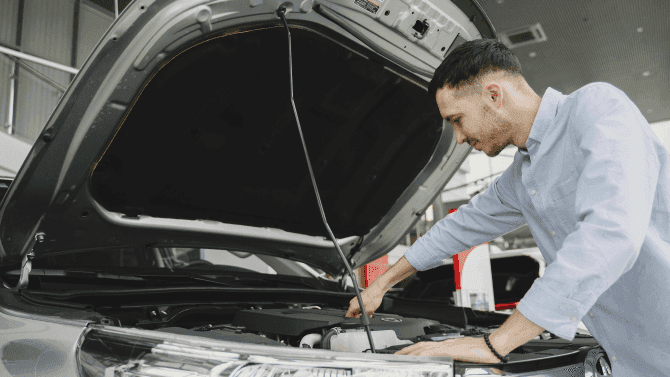
Buying a used car is a great way to save money and get a reliable vehicle for several years. That said, no matter how much you trust the seller, it’s always in your best interest to inspect the car thoroughly before buying. You can do this yourself if you know what to look for, or pay a professional mechanic to inspect it for you.
Below, we break down how to inspect a used car, what issues to look out for, and how to decide whether a vehicle is actually worth the asking price.
How to Inspect a Used Car?
Start by breaking the car inspection into three main areas: exterior, interior, and under the hood.
Begin by inspecting the exterior to identify cosmetic or structural issues. Then move inside to check wear, electronics, and controls. Finish under the hood to assess fluids and basic mechanical condition.
Before You See the Car
The most important step happens before you ever see the car in person: research. Look up the make and model online, read owner forums, watch walkthrough videos, and check common issues reported for that vehicle. This helps you understand what problems are normal for the model and what should raise concerns.
For example, some EVs (including Model 3) can wear tires faster than comparable gas cars due to torque, vehicle weight, and tire choice. If you notice worn tires during inspection, you’ll know this may be model-related rather than neglect.
Exterior Inspection
When examining the exterior, start by walking slowly around the car and take your time to notice any of the following:
- Paint chips/discoloration. Check for mismatched paint, uneven shine, or overspray around trim and door edges. Not necessarily a bad thing, as paint work can be cosmetic, but it can hide accident or rust damage, which should be verified and factored into the price.
- Dents and scratches. Small scratches or minor dings are normal, but look for large dents, creased panels, or damage that doesn’t line up evenly, which could indicate a past accident or poor repairs.
- Windows and wipers. Check the glass for cracks, chips, or pitting. Open and close all windows several times to ensure smooth operation. Inspect the wiper blades for splits, dryness, or uneven wear. If the wipers were replaced, confirm they’re the correct type and size for the car and note them as a minor replacement item if needed.
- Mirrors. Take a careful look at the side and rearview mirrors for cracks, loose or damaged housings, and proper alignment. Test power adjustments and folding mechanisms to make sure everything works. Check for scratches or paint damage around the mounts, which could indicate past impacts.
- Lights. Inspect all headlights, taillights, brake lights, turn signals, and reverse lights. Make sure they illuminate correctly and check for cracks, fogging, moisture, or condensation inside the lenses. Uneven or dim lighting can indicate wiring issues or previous damage.
- Tires. Check that the tires are properly inflated and that all lug nuts are intact. Inspect tread depth using a tread gauge (preferred) or a quarter test. If the tread does not cover the top of Washington’s head, the tires are below ~4/32" and should be replaced soon. Worn tires are usually a negotiation point, but uneven tread wear (inside or outside edge wear, cupping, or feathering) can indicate alignment, suspension, or steering issues.
- Rust and corrosion. Check wheel arches, door sills, rocker panels, and under the car for surface rust or bubbling paint, which could indicate deeper corrosion. Some surface rust is common and often manageable, but rust near structural components, suspension mounts, or the frame is a serious issue and usually a reason to walk away.
- Body panel alignment. Open and close the hood, trunk, and doors, and check that the gaps are even. Look at the gaps between panels; if some are bigger or uneven compared to others, it could mean the car’s been in an accident or poorly repaired.
- Check undercarriage. Get under the car and inspect the frame, suspension mounts, and floor pans for rust or corrosion. Check shocks, struts, and bushings for leaks, cracking, or looseness, and look for active leaks from the engine, transmission, or differential. You should treat any persistent dripping or large wet areas as a red flag.
Interior Inspection
Pay close attention to the following while you take a look at the interior of the vehicle:
- Steering wheel. Turn the wheel fully while parked and during low-speed driving. It should move smoothly without play, vibration, stiffness, or unusual noise. These issues can point to low power steering fluid, a worn belt, a faulty pump, or alignment problems.
- Seats and upholstery. Look for tears, stains, sagging cushions, or uneven wear. The upholstery condition should match the car’s mileage; if it doesn’t, the car saw heavier use than advertised, which you can use as a negotiation point.
- Dashboard and controls. Turn the ignition on and confirm all warning lights illuminate briefly, then turn off. Test every button, switch, and control, including cruise control and steering wheel buttons.
- Air conditioning and heating. Turn both at full power. Air should change temperature quickly and blow evenly. Weak airflow or inconsistent temperature can point to mechanical issues.
- Electronics and infotainment. Test Bluetooth, navigation, backup camera, sensors, USB ports, and the screen itself. Repairs on modern infotainment systems can be costly.
- Windows, locks, and sunroof. Operate all windows and locks from every door. Windows should move smoothly. If equipped, fully open and close the sunroof and check for wind noise or leaks.
- Smells and moisture. Strong air freshener smells can be concerning. Check under floor mats and in the trunk for dampness, mold, or water stains. These can be a sign of water damage or flood damage, which is a huge red flag, and you should steer clear of that car.
Under the Hood
Finally, take a look under the hood. You don’t have to be a mechanic, as you can spot common problems easily.
- Engine oil. Check the level and condition. Very low oil or a milky, foamy texture can point to internal engine issues.
- Coolant. Look at the reservoir for the proper level and a clean, bright color. Low, dirty, or rust-colored coolant may indicate leaks or neglected maintenance.
- Belts and hoses. Inspect belts for cracking or fraying. Squeeze hoses lightly as they should feel firm, not soft, brittle, or collapsing.
- Battery. Check the terminals for corrosion and confirm the battery’s age. Batteries older than a few years may need replacement soon.
Computer Diagnosis: What It Tells You and What Doesn’t
A diagnostic scan can reveal stored or active fault codes, even when no warning lights are on, and it can help point you in the right direction if something doesn’t seem quite right. That said, it doesn’t tell the whole story. For example, a code that suggests a bad sensor may actually be caused by a loose connection or damaged wiring.
It’s also important to understand what a scan won’t show. It generally can’t detect physical wear, such as worn suspension parts, brake pads, or rotor condition. That’s why a clean scan should support what you see, hear, and feel during the inspection and test drive, not replace them.
Also, keep in mind that some sellers reset the codes before showing the car, which is why we recommend having the car inspected professionally as well, since an experienced mechanic can catch issues that a scan may miss.
After the Inspection: Vehicle History Report
Once you’ve inspected the car and have a clear sense of its condition, ask for the vehicle history report. What you see should align with the records. For example, a well-maintained engine should match regular service entries and documented oil changes.
Vice versa, visible signs of body repair should appear in the history as a reported accident or insurance repair.
See here for more information on how to get a vehicle’s service history report.
What to Look For When You Test Drive the Car?
Test drive the car for at least 15–20 minutes and include different road conditions if possible.
- Cold start: The engine should start easily and idle smoothly
- Acceleration: No hesitation, jerking, or unusual noises
- Transmission: Shifts should be smooth and timely
- Brakes: Firm response, no vibration or pulling (on higher-mileage cars, slight brake pulsation can be normal; if the brakes looked fine during inspection, it’s usually not a concern).
- Suspension: No clunks or rattles over bumps
- Steering: Car should track straight without constant correction
Is Professional Inspection Worth It?
Yes. A professional pre-purchase inspection can uncover hidden issues, previous accident damage, or upcoming repairs that aren’t obvious during a basic check.
The cost is small compared to unexpected repair bills and can also help when negotiating the price. Plus, there are some things only a trained eye can tell, no matter how thorough you are with the inspection.
Remember: A pre-purchase inspection is worth much more than a post-purchase one.
Frequently Asked Questions
How much does a professional pre-purchase inspection cost?
Most inspections cost between $100 and $250, depending on the vehicle and where you live.
Where should I take the car for an inspection?
Use an independent mechanic or a mobile inspection service. Avoid shops connected to the seller.
Should I still inspect a low-mileage car?
Yes. Low mileage doesn’t guarantee good condition. Cars that sit unused can develop issues with seals, batteries, and tires.
Is it okay to buy a car without a test drive?
No. A test drive is essential and often reveals issues you can’t see while parked.
What if the seller refuses a professional inspection?
The short answer: walk away. There is no reason why a seller would not allow you to have an inspection unless they’re hiding something, which means the car is not worth the headache.
Is minor accident damage always a deal-breaker?
Not necessarily. Cosmetic repairs are pretty common, after all, all cars suffer through wear and tear with each use, especially older or high-mileage cars. In most cases, you can also use accident history as a way to negotiate the asking price to a lower amount.
How much wear is acceptable on a used car?
Wear should match the car’s age and mileage. The rule of thumb used by most technicians is that a vehicle averages about 10,000–15,000 miles per year, and overall condition should reflect that usage.
Related Articles

How to Buy a Car Online? Step-by-Step Guide
Dec 19, 2024 • 5 min read

Should You Buy a Car With an Accident History? Pros, Cons, and What to Check
Did you know that nearly one in four used cars has been in a reported accident? If you’re considering buying...
Jan 30, 2025 • 5 min read

Hyundai Buyer's Guide: Reliability, Efficiency, Models, Value, Cost, and Safety
Oct 2, 2025 • 5 min read