Daewoo
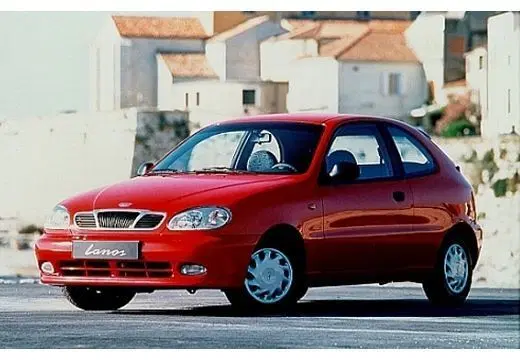
Witnessed its first engine roar in 1937 when National Motor opened a factory in Bupyeong-gu, Incheon, assembling Japanese-designed Bluebird sedans. After a series of renamings, the company became Daewoo Motor Co. in January 1983 under the Daewoo Group. It quickly built a fresh identity, carving out a reputation for affordable, stylish models like the LeMans (1986) and pioneering its own designs with the Lanos in 1997. Daewoo’s bold three-part grille and partnerships with Italdesign signaled a shift from rebadging toward original styling and global ambitions. In 1998 the Matiz city car cemented Daewoo’s footprint overseas, winning multiple European Car of the Year nods and disrupting markets with fixed-price sales and free servicing. The Asian financial crisis derailed its momentum, leading to General Motors’ $1.2 billion acquisition in 2002. By 2012 the Daewoo badge vanished, but its legacy endures in the Chevrolet Spark and GM Korea’s small-car DNA, and ex-Daewoo joints like Uzbekistan’s Uz-DaewooAuto carried the torch into the 2010s.
Founding year & location
1937
Bupyeong (Incheon), South Korea
Headquarters
Incheon, Incheon
South Korea
Parent company
General Motors
Global sales figure
Data not publicly disclosed