Fiat
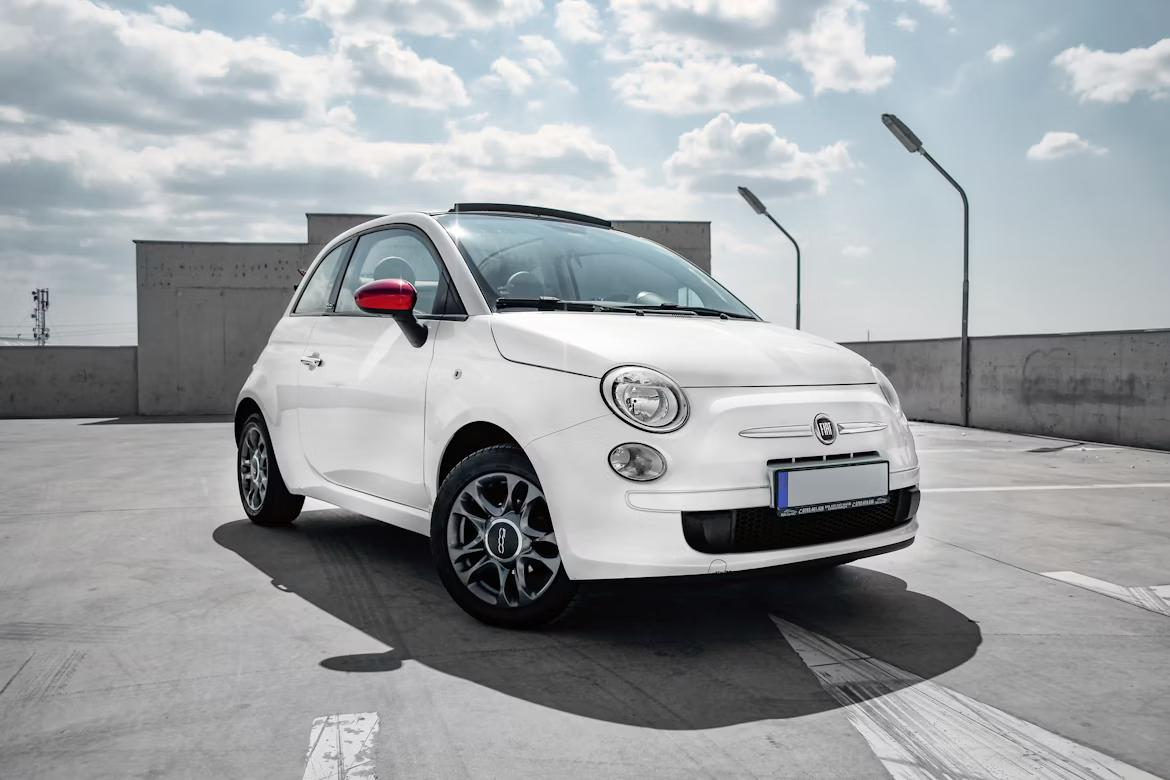
On July 11, 1899, Giovanni Agnelli and five partners launched Fabbrica Italiana di Automobili Torino in Turin, rolling out the 4 HP a year later and pioneering Italy’s first automotive assembly line at the Lingotto plant in 1923. By 1936 the Topolino had become Europe’s bestselling small car, and after World War II Fiat cemented its reputation with innovations like front-wheel drive and lightweight tubular chassis technology. In 1971 the Fiat 127 debuted as the world’s first true supermini, combining compact packaging with agile dynamics and earning European Car of the Year honors, a legacy continued by the Uno, Punto and Panda models that defined mass-market motoring in the late 20th century. Today, as a Stellantis Europe subsidiary, Fiat champions sustainable urban mobility with the fully electric 500e and hybrid Panda leading its lineup. The brand leverages Stellantis’ global platforms to offer budget-friendly hatchbacks, micro-SUVs and light commercial vehicles across Europe, Latin America and India, while preserving its design heritage through flagship “Motor Village” showrooms. Fiat’s continuing commitment to low emissions is underscored by its record for the lowest average CO₂ output among European automakers, and a roadmap aiming for a zero-emission city car by 2026.
Founding year & location
July 11, 1899
Turin, Italy
Headquarters
Turin, Piedmont
Italy
Parent company
Stellantis Europe
Global sales figure
1,350,000 vehicles sold
Data not publicly disclosed (2023)