Hino
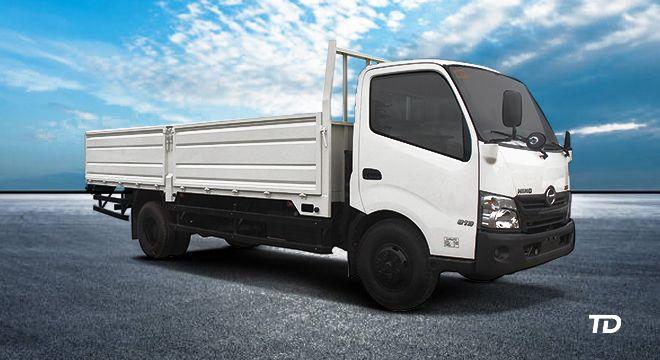
Hino traces its lineage back to August 1, 1910, when Tokyo Gas Industry Co. launched a division making trucks as a sideline. Their first mass‑produced vehicle was the TGE “A‑Type” truck in 1918. In May 1942 the commercial vehicle operation formally became Hino Heavy Industry Co., Ltd., later renamed Hino Motors, Ltd., and began focusing intensely on trucks, buses and diesel engines. Mid‑century innovation included forward‑control trucks like the Blue Ribbon in 1952 and the ZG heavy dump truck in 1953, both early Japanese breakthroughs. A key turning point came in the 1960s through alliance with Toyota: by 1966 Hino became a Toyota affiliate, and by 1969 it had phased out passenger cars to concentrate on commercial vehicles, solidifying its reputation in durability. Today Hino is a major force in medium‑ and heavy‑duty trucks and buses. The company is pushing into electrification and hydrogen fuel‑cell tech via strategic ventures with Toyota, Isuzu, Mitsubishi Fuso and Daimler Truck. In June 2025 it reached a definitive agreement to integrate with Mitsubishi Fuso under a new publicly traded holding company jointly owned by Toyota and Daimler Truck, setting a new course for the future.
Founding year & location
August 1, 1910, Tokyo (Tokyo Gas Industry origin), Japan
Headquarters
Hino‑shi, Tokyo, Japan
Parent company
Toyota Motor Corporation
Global sales figure
127,800 vehicles sold and ¥1,697,229 million in revenue (2025)