Lotus
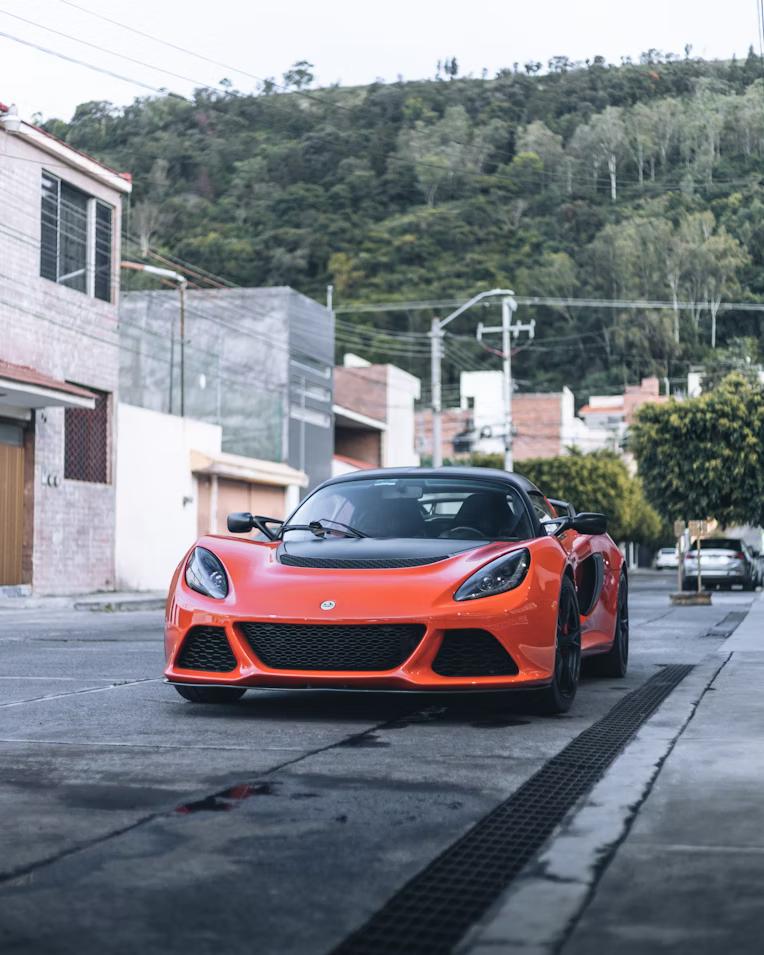
Lotus burst onto the scene in January 1952 when Colin Chapman borrowed £25 to form Lotus Engineering in a cramped Hornsey garage. He had already built three trials cars by then. The Mark VI kit car debuted that year, kick-starting the brand’s reputation for lightweight design. Just two years later, Team Lotus went racing with the Mark 8, and in 1957 the Elite pioneered a fiberglass monocoque chassis. By the 1960s, Lotus was winning Formula 1 titles and influencing handling standards across the industry. Chapman’s mantra of performance through low weight led to breakthroughs like backbone chassis and ground-effect aerodynamics, reshaping sports car engineering. The Elise and Esprit cemented Lotus’s cultural impact, inspiring icons from James Bond to grassroots racers. Today Lotus stands at an electric crossroads. The Emira closes a petrol chapter while the Evija, Emeya, and Eletre redefine the brand as a purveyor of luxury electric speed. Back in Hethel, Lotus focuses on global expansion and electrification under Geely’s stewardship.
Founding year & location
January 1, 1952
Hornsey, London, England
Headquarters
Hethel, Norfolk
England, United Kingdom
Parent company
Geely Holding Group
Global sales figure
6,970 vehicles sold
$679 million in revenue (2023)