Peugeot
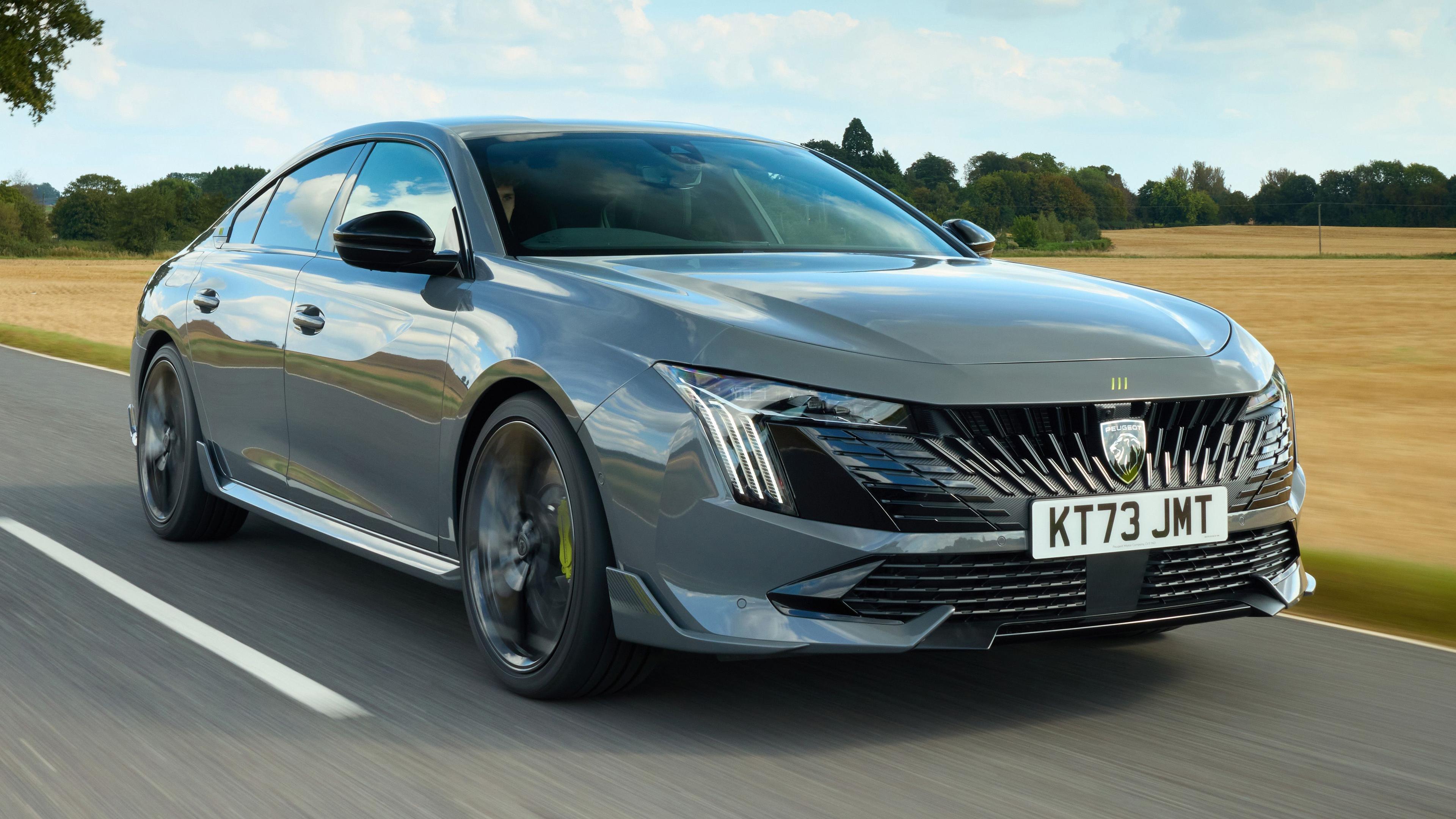
Peugeot started in 1810 when Jean Frédéric and Jean Pierre II Peugeot converted their family mill in Hérimoncourt into a steelworks. The company produced tools, saw blades, springs, and coffee grinders that quickly became known for durability. In 1858 Peugeot registered the lion trademark, symbolizing strength and sharpness. Armand Peugeot pushed the family into transport, showing a steam powered tricycle at the 1889 Paris World Fair and producing the first petrol powered Peugeot car in 1890. This move marked the beginning of one of the world’s oldest continuous car brands. In the decades that followed Peugeot advanced steadily. The 203 of 1948 introduced unibody construction and sold more than half a million units. The 404 of the 1960s, styled by Pininfarina, became a global success with nearly 3.7 million built. The 104 was launched as one of the smallest four door sedans ever made, while the 205 of the 1980s became both a commercial hit and a rally champion. In 1976 Peugeot acquired Citroën and created the PSA group, which in 2021 merged with FCA to form Stellantis. Today Peugeot sells a wide mix of SUVs, hatchbacks, sedans, and vans with a fast growing share of electrified models. In 2024 the brand sold 1,097,750 vehicles worldwide, with about one quarter of those sales outside Europe. Thirty five percent of European deliveries were electrified, and electric order intake rose eight percent from the year before. Peugeot plans to go fully electric in Europe by 2026 as part of Stellantis’ Dare Forward 2030 plan.
Founding year & location
1810, Hérimoncourt, France
Headquarters
Sochaux (operational), Poissy/Paris (legal), France
Parent company
Stellantis
Global sales figure
1,097,750 vehicles sold (2024)