Why Understanding RPM in Cars Matters
Published on Jan 23, 2025 • 5 min read
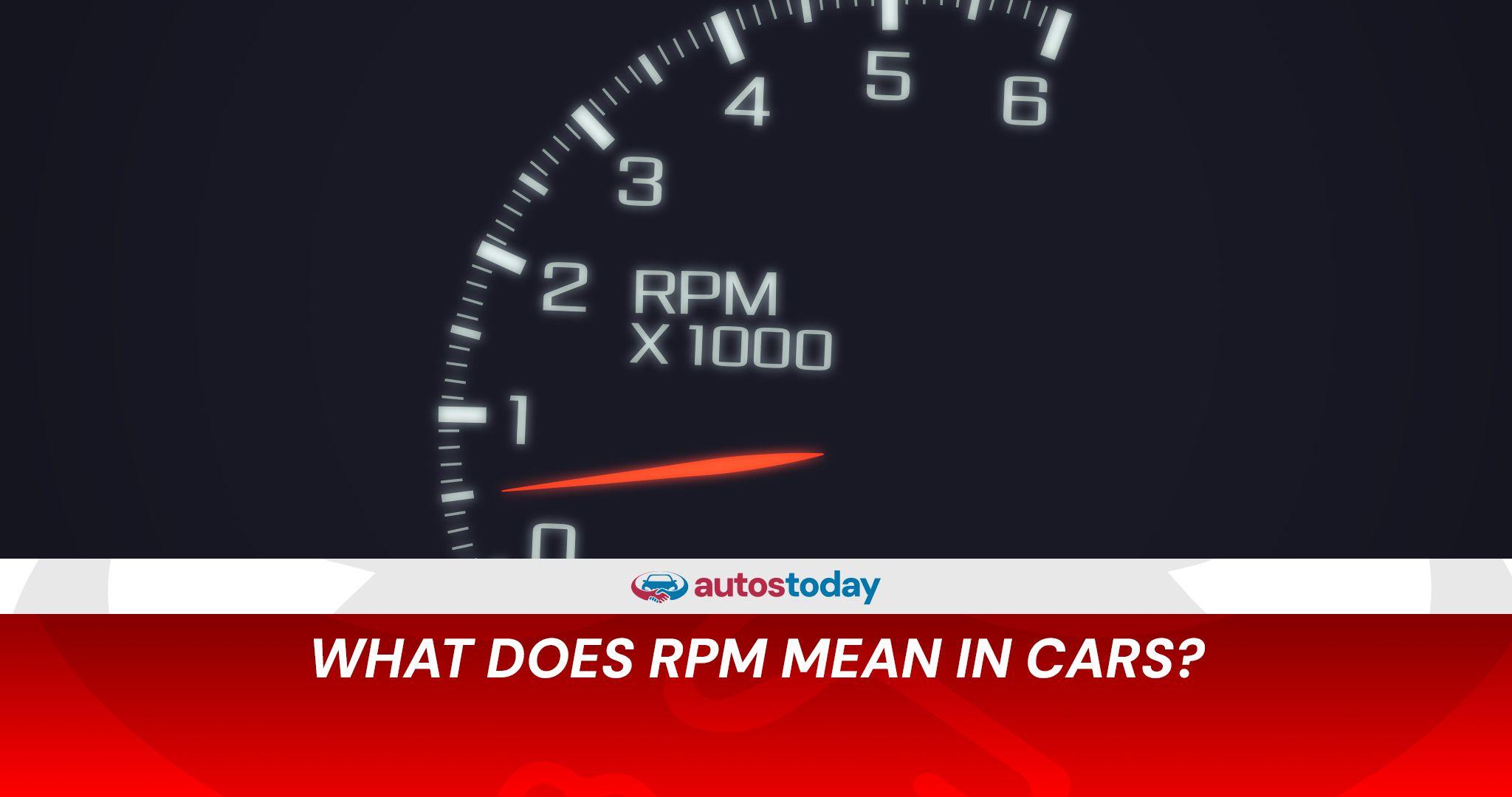
Do you only glance at your speedometer and gas gauge when you drive? If so, you might be missing out on another dashboard reading that can tell you a lot about your engine—RPM, or “revolutions per minute.” Ever wonder how many times your engine’s crankshaft spins in 60 seconds? That’s exactly what RPM measures, and it can reveal how hard your engine is working, how much fuel you’re burning, and how long your engine might last.
In this article, you’ll see how paying attention to RPM can help you balance power and fuel costs, and you’ll find out what happens when you push your engine too far. By the end, you’ll have a fresh perspective on why those numbers next to your speedometer deserve a closer look—and how small adjustments in RPM awareness can keep your car in better shape for years to come.
What Is RPM in Cars?
RPM, or “revolutions per minute,” shows how many times your engine’s crankshaft rotates in a minute. This rotation powers the pistons to draw in air, burn fuel, and release exhaust, keeping the engine running.
Low RPM means the engine is working less and using less fuel, while high RPM provides more power for acceleration or heavy loads. Monitoring RPM helps balance performance and efficiency, avoiding unnecessary strain on your engine.
How RPM Affects Car Performance and Fuel Efficiency
RPM determines the balance between power and fuel consumption. Lower RPM uses less fuel but provides less power, while higher RPM delivers more power but burns more fuel. Staying in the optimal RPM range ensures your car has enough power for everyday driving without wasting fuel or overworking the engine.
Reading a Tachometer: Interpreting the Numbers and Zones
A car’s tachometer provides real-time feedback on your engine’s performance by displaying revolutions per minute (RPM). The gauge is labeled in thousands, so a reading of “2” means your engine is spinning at 2,000 RPM. Understanding these numbers can help you drive more efficiently and protect your engine.
Idle RPM
When the car is stationary, the engine typically runs between 600 and 1,000 RPM. Fluctuations in idle RPM can signal issues like a dirty air filter or spark plug problems, making a tune-up necessary.
Cruising RPM
During steady driving, especially on highways, the tachometer should stay in the mid-range. This is where fuel efficiency and power align, ensuring a smooth and economical ride.
Redline Zone
The redline marks the maximum RPM your engine can safely handle. Briefly hitting this range is fine when accelerating, but prolonged exposure can cause severe wear and engine damage. Staying below the redline protects vital components and avoids costly repairs.
How RPM Differs in Manual and Automatic Transmissions
RPM plays a key role in how your car shifts gears, whether it’s a manual or automatic. Understanding this difference can make you a better driver and help you spot potential issues before they become costly repairs.
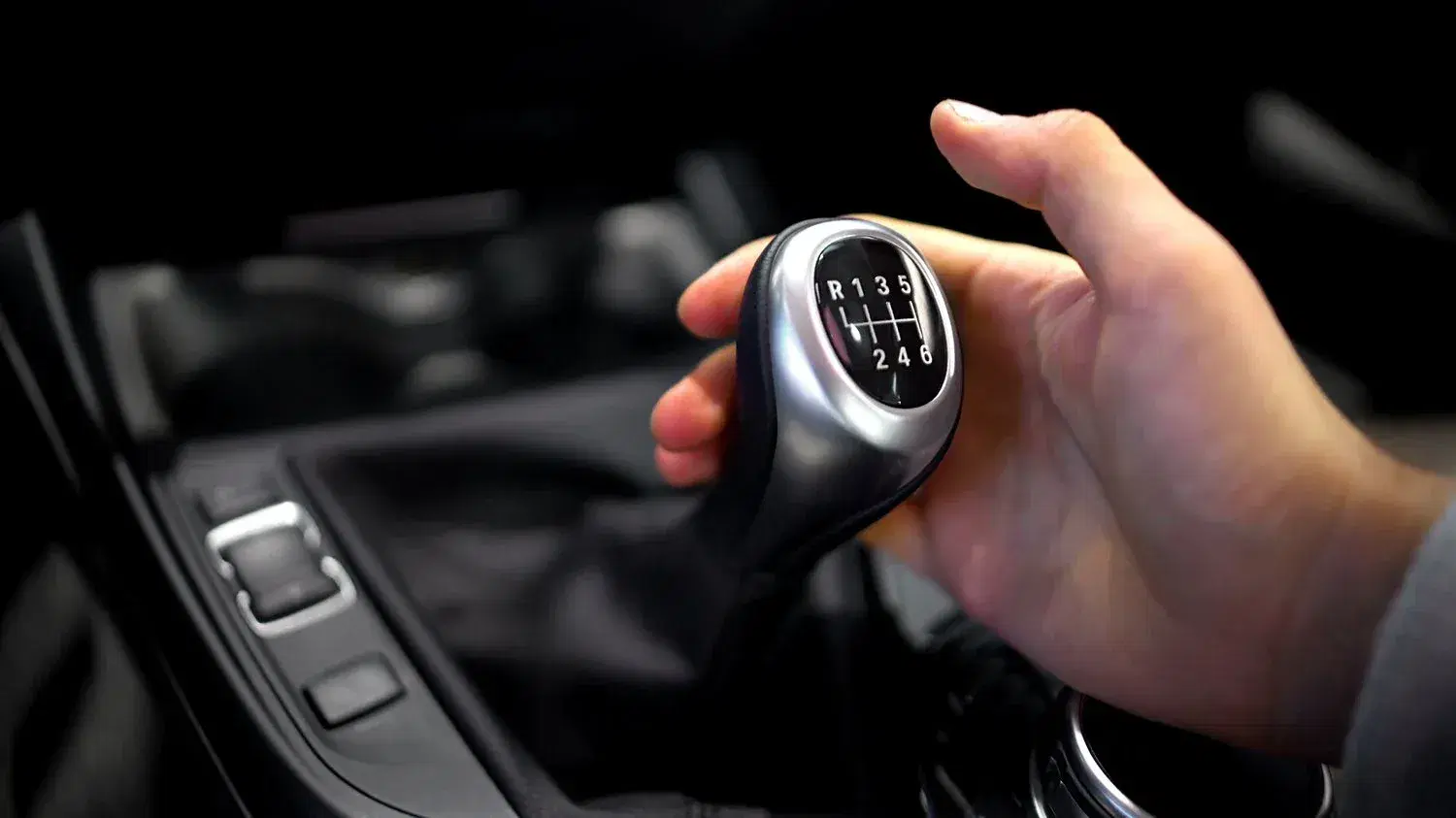
Manual Transmission
In manual cars, drivers control when to shift gears based on RPM. Shift too early at low RPM, and you’ll struggle with power; shift too late at high RPM, and you risk wasting fuel and overworking the engine.
Automatic Transmission
Automatic cars use sensors and software to handle gear changes for you, adjusting based on RPM and driving conditions. While you don’t have to monitor the tachometer as closely, understanding how RPM affects shifting gives valuable insight into your car’s performance.
Why Redlining Your Engine Is a Risk You Don’t Want to Take
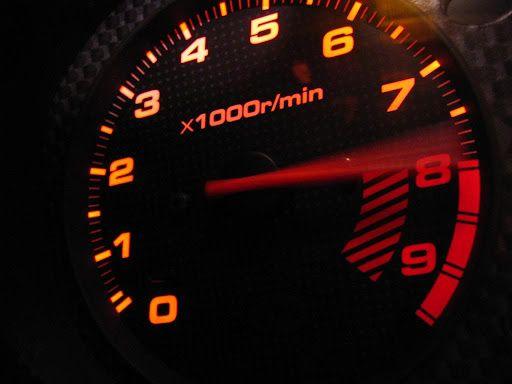
Picture this: you’re on the highway, merging into fast-moving traffic. You press the accelerator hard, and the tachometer needle shoots into the red zone. The engine roars, giving you a surge of power—but do you know what’s happening under the hood?
Redlining, or pushing your engine past its safe RPM limits, can feel thrilling at the moment, but it comes at a cost. Engines are built to handle a specific range of RPM. Pushing it could mean exposing critical components—like pistons and valves—to extreme heat and stress.
Occasional high RPM, like when you’re overtaking or merging, is fine if it’s brief. The problem starts when you make a habit of it. Think of your engine as a marathon runner—it’s designed to go the distance at a steady pace, not sprint at full throttle.
Why Monitoring RPM is Essential for Engine Health
Your tachometer isn’t just a gauge—it’s a warning system. Sudden RPM jumps or drops at steady speeds can signal issues like clogged filters or faulty spark plugs.
If your tachometer behaves erratically, it’s time to see a mechanic. Catching problems early prevents costly repairs and keeps your engine healthy. Paying attention now means fewer headaches later.
Frequently asked questions
What is RPM in a car, and why is it important?
RPM, or “revolutions per minute,” measures how many times your engine’s crankshaft rotates each minute. It’s a key indicator of your engine’s performance, showing how hard it’s working, how much fuel it’s using, and whether it’s operating efficiently.
What is the optimal RPM range for most cars?
The optimal RPM range varies depending on your vehicle, but it’s typically between 1,500 and 3,000 RPM for everyday driving.
What happens if I drive at high RPM for too long?
Prolonged high RPM, or redlining, can overheat your engine, cause excessive wear on internal components, and lead to costly repairs. It’s best to avoid staying in the redline zone for extended periods.
What does it mean if my car’s RPM fluctuates while driving?
Sudden or frequent RPM fluctuations can signal issues such as a clogged air filter, faulty spark plugs, or a malfunctioning fuel injector. If this happens, it’s wise to consult a mechanic for diagnosis and repairs.
Does RPM affect fuel efficiency?
Yes, RPM directly impacts fuel consumption. Lower RPM generally uses less fuel, while higher RPM burns more.
Can monitoring RPM help me identify engine problems?
Absolutely. Unusual RPM patterns—such as spikes, drops, or erratic behavior—can indicate potential engine issues. Regularly checking your tachometer can help you spot problems early and prevent costly damage.
How does RPM differ in manual and automatic cars?
In manual cars, RPM determines when you should shift gears for optimal performance. In automatic cars, the system adjusts gears based on RPM and driving conditions, requiring less manual input from the driver.
Related Articles
Car Maintenance Guide: Everything You Need to Know
Maintaining your vehicle is essential for its longevity, safety, and performance...
Sep 26, 2024 • 5 min read
How Long Do Car Batteries Last? Everything You Need to Know
side. A dead car battery is one of the most common reasons for cars...
Feb 6, 2025 • 5 min read
How to Check Your Tire Pressure
Did you know that nearly 50% of vehicles on the road have at least one under-inflated tire?
Oct 3, 2024 • 5 min read
Common Problems With Traction Control
Did you know that nearly 70% of modern vehicles come equipped with traction control systems (TCS)? This technology...
Oct 10, 2024 • 5 min read