How Long Do Car Batteries Last? Everything You Need to Know
Published on Feb 6, 2025 • 5 min read
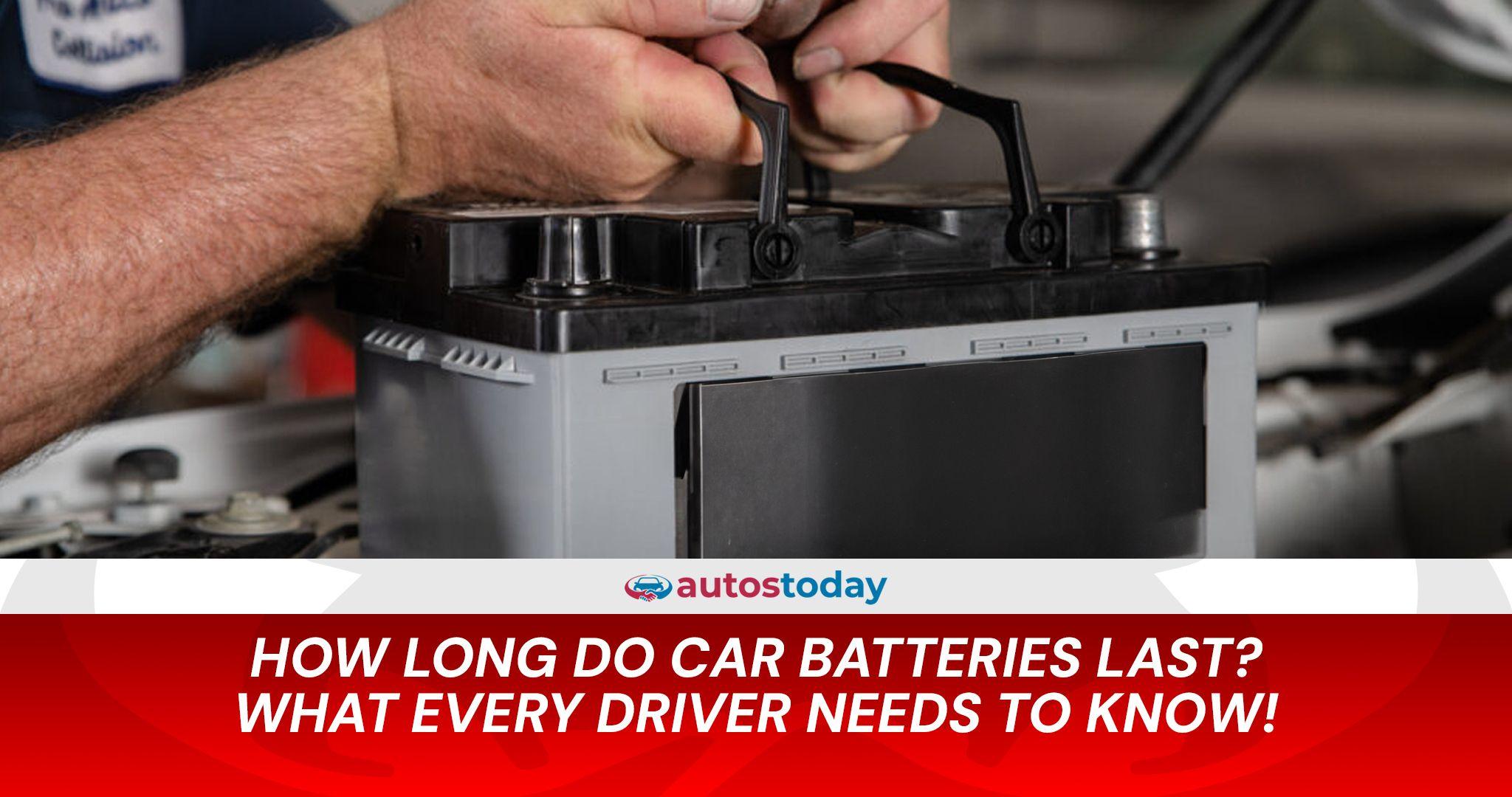
A dead car battery is one of the most common reasons for cars breaking down. There’s nothing more frustrating than turning the key (or pushing the start button) only to hear silence or the dreaded clicking sound. But how long does a car battery actually last, and what can you do to extend its life?
On average, a car battery lasts between three to five years, but this can vary based on several factors, including climate, driving habits, and battery type. Knowing why can help you prevent unexpected failures and ensure your car won’t fail you when you most need it.
This article will break down everything you need to know about car battery lifespan, including warning signs of a failing battery, maintenance tips, and ways to maximize its longevity.
Battery Type
Not all car batteries are the same. Some last longer and perform better under certain conditions. Here’s how different battery types compare:
Lead-acid batteries (3–5 years)
- The most common and affordable option, found in many standard vehicles.
- The downside is that these batteries are sensitive to extreme temperatures, which can shorten lifespan.
Absorbent Glass Mat (AGM) Batteries (4–7 years)
- Designed for vehicles with high electrical demands, such as modern luxury cars and SUVs.
- The advantage is more resistance to vibrations and temperature extremes.
Enhanced Flooded Batteries (EFB) (4–7 years)
- Typically used in vehicles with start-stop technology (e.g., certain Ford, Volkswagen, and Honda models).
- The advantage is that it lasts longer than traditional lead-acid batteries under frequent stopping and starting.
Lithium-ion batteries (Up to 10 years)
- Found in electric vehicles (EVs) and hybrids, such as Tesla, Toyota Prius, and Nissan Leaf.
- The advantage is a significantly longer lifespan, but much more expensive.
Climate and Temperature
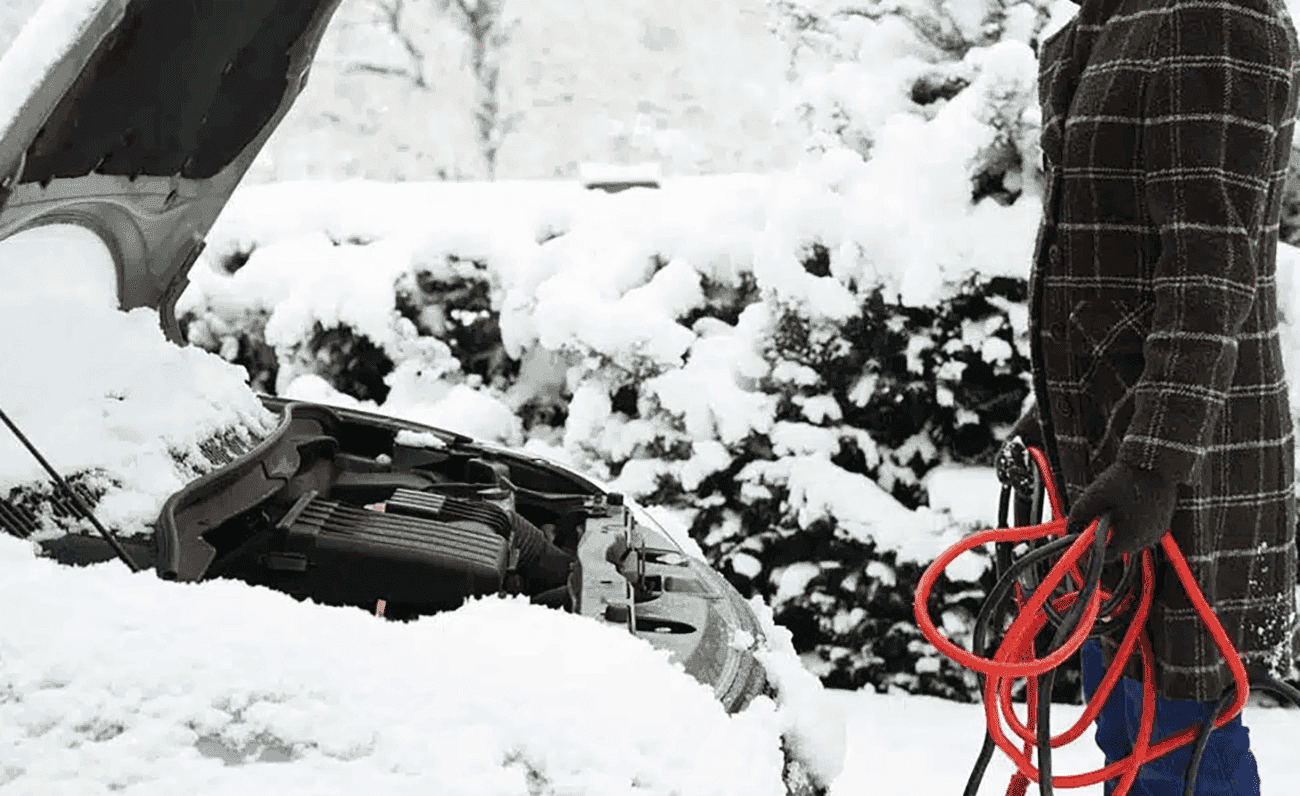
The weather where you live plays a huge role in battery longevity:
Hot Climates
- High temperatures accelerate battery wear by increasing corrosion and causing fluid to evaporate faster.
- In places like Arizona or Texas, car batteries often fail after just 2–3 years due to extreme heat.
Cold Climates:
- Low temperatures slow down chemical reactions, making it harder for the battery to start the engine.
- In Minnesota or Canada, a weak battery might die unexpectedly during winter because it can’t generate enough power to start the car.
If you live in an area with extreme weather, investing in a high-quality AGM or EFB battery can improve durability.
Driving Habits
How you drive affects how long your battery lasts:
Long Drives = Healthy Battery
- Driving for at least 20–30 minutes allows the alternator to recharge the battery properly.
Short Trips & Frequent Starts = Battery Drain
- If most of your trips are under 15 minutes, your battery never fully charges, leading to faster wear.
- If you drive short distances every day (e.g., home to work and back), your battery might degrade in just 2–3 years instead of lasting 5 years.
- Tip: If you mostly drive short trips, take your car on a longer drive once a week to give the battery a proper recharge.
Understanding Battery Lifespan
Most car batteries last between three and five years, but their actual lifespan depends on several factors, including how they’re made, how they’re used, and even how long they’ve been sitting before installation. Understanding these details can help you avoid an early failure and get the most out of your battery.
A Battery’s Age Starts Before Installation
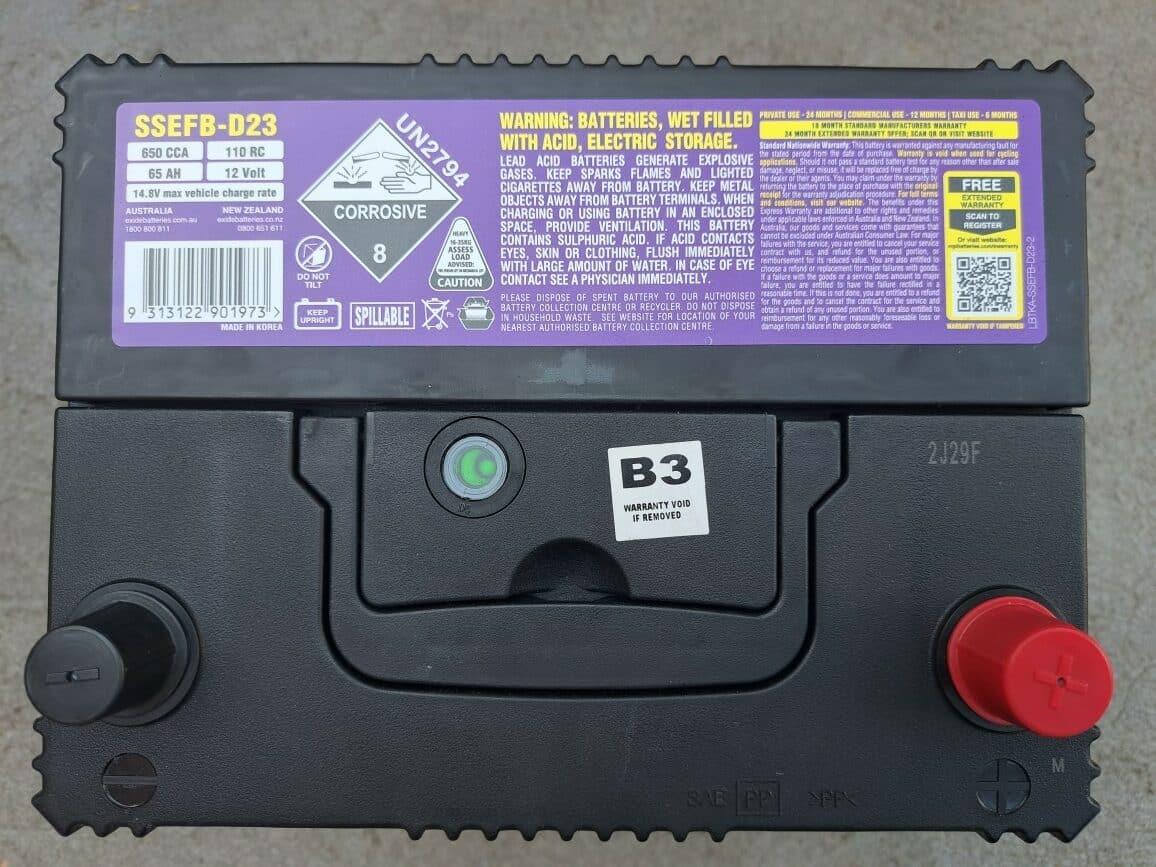
Many drivers assume their battery’s lifespan begins the day it’s installed, but that’s not entirely true. The aging process starts as soon as the battery leaves the factory, even if it sits unused on a store shelf for months.
To make sure you’re getting a fresh battery, check the manufacturing date before buying. Most car batteries have a stamped date code, typically a letter and a number:
- The letter represents the month (A = January, B = February, C = March, and so on).
- The number represents the year (4 = 2024, 3 = 2023, etc.).
For example, if a battery is marked C3, that means it was made in March 2023. If you’re buying a new battery, avoid anything older than six months, since unused batteries can degrade over time.
Not All Batteries Are Built the Same
The quality of the battery makes a big difference in how long it lasts.
- Higher-end brands like Optima, Odyssey, and DieHard tend to last longer because they use better materials and construction.
- Budget-friendly options may save money upfront but often don’t hold up as well in extreme weather.
- Warranty length can be a clue. If a battery comes with a longer warranty, that’s often a sign it’s built to last.
A cheap battery might seem like a good deal, but if it dies in two years instead of five, you’re not really saving money.
Maintenance Practices
Proper maintenance can extend your car battery’s lifespan and prevent unexpected failures. Here are the best ways to keep your battery in top condition:
1. Regular Battery Testing
Knowing the health of your battery can save you from a sudden breakdown. Here’s how to stay ahead:
Test Your Battery Annually
- If your battery is over three years old, have it tested at least once a year.
- Many auto parts stores (AutoZone, O’Reilly’s, Advance Auto Parts) offer free battery testing, a quick way to check if your battery is holding a charge.
Signs You Need a Test ASAP:
- Slow engine cranking
- Dim headlights or flickering dashboard lights
- Needing jump-starts more frequently
2. Keep Your Battery Clean
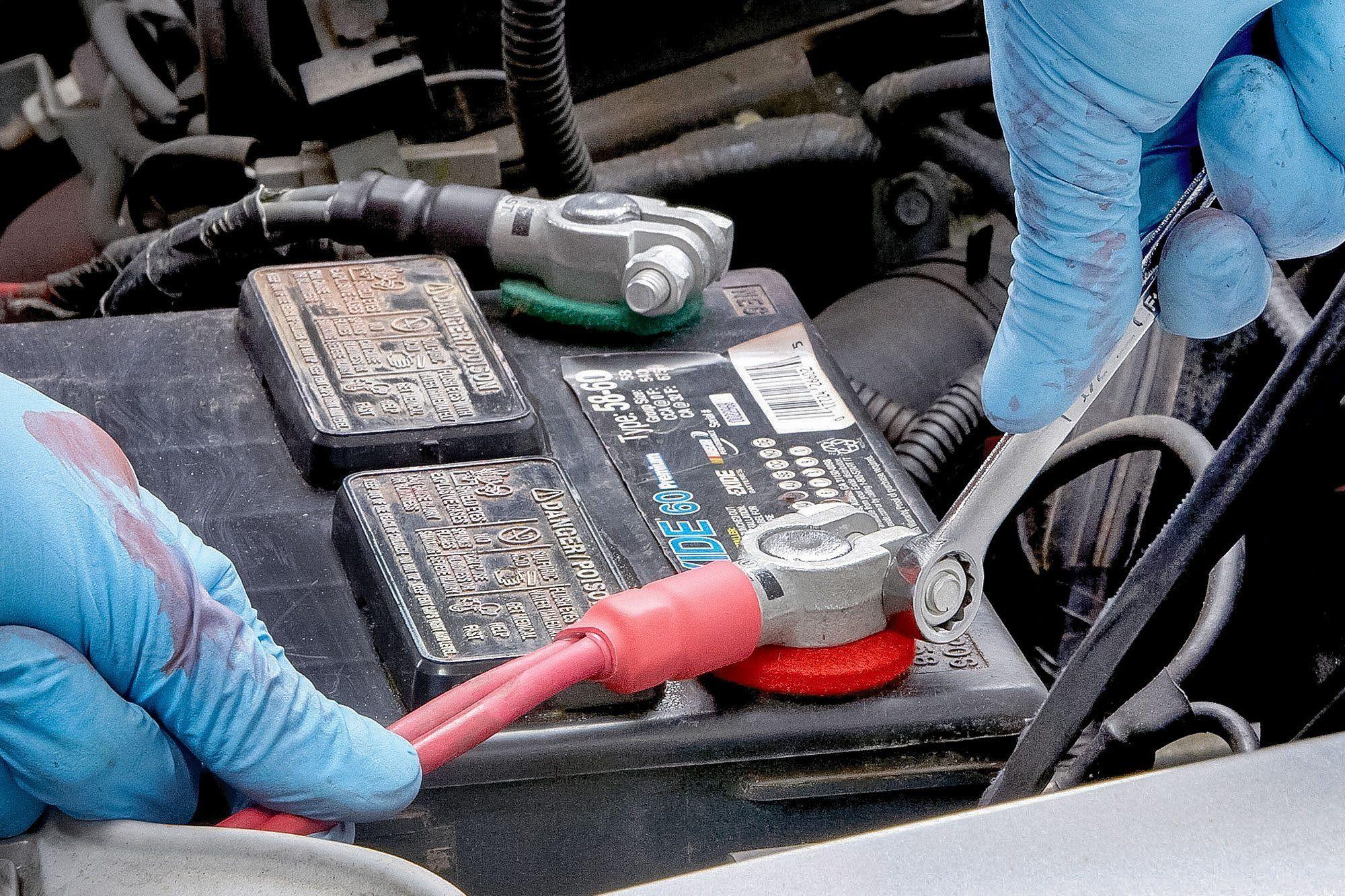
Corrosion on battery terminals can lead to poor connections and starting issues. Prevent buildup with these simple steps:
DIY Terminal Cleaning
1) Mix 1 tablespoon of baking soda with 1 cup of water.
2) Use an old toothbrush to scrub the battery terminals.
3) Rinse with clean water and dry with a cloth.
4) Apply petroleum jelly or battery terminal grease to prevent future corrosion.
If you notice white or blue powdery buildup, that’s corrosion. Clean it ASAP to avoid power loss.
3. Protect Against Extreme Temperatures
Batteries struggle in both hot and cold weather, so take precautions based on your climate:
In Hot Climates
- Park in shaded areas or a garage to reduce heat exposure.
- Check fluid levels in non-sealed batteries (heat causes faster evaporation).
In Cold Climates
- Use a battery blanket or insulation kit in freezing temperatures.
- If your car struggles to start, let it warm up for a minute before driving.
4. Avoid Deep Discharges & Unnecessary Drains
Leaving accessories on when the engine is off drains the battery faster:
Avoid these common battery killers:
- Leaving headlights or interior lights on overnight
- Charging phones, tablets, or laptops while the engine is off
- Running the AC or radio without starting the engine
Best Practice
- Turn off all electronics before shutting off the car.
- If your vehicle sits unused for weeks, use a battery maintainer to prevent drain.
5. Ensure Secure Connections
A loose or vibrating battery can damage internal components and shorten its lifespan.
How to Check Battery Security:
1) Pop the hood and gently shake the battery—it should be tightly secured.
2) If it moves, tighten the hold-down clamp and battery cables.
This is especially important if you drive on rough roads since vibration can damage battery plates over time.
Signs Your Battery May Be Failing
A car battery rarely dies without warning. If you recognize the signs early enough, you can replace it before it leaves you stranded. Below are the most common indicators of a failing battery and what they mean.
Slow Engine Cranking
One of the earliest and most noticeable signs of a weak battery is a slow engine crank. If your car takes longer than usual to start, hesitating or making a sluggish whirring sound, the battery is struggling to provide enough power to the starter. A healthy battery should start the engine immediately. If there is even a slight delay, especially on colder mornings or after the car has been sitting for a while, it’s time to have the battery tested. A slow crank that happens repeatedly is often a clear sign that the battery is nearing the end of its lifespan.
Frequent Jump-Starts
If your car needs a jump-start more than once in a short period, the battery is no longer holding a charge properly. A single dead battery incident could be the result of an accidentally left-on light or an unusually cold morning, but if it happens multiple times within a few weeks, the battery is likely failing. While a jump-start can temporarily revive it, the fact that it keeps draining quickly is a warning sign that the battery should be replaced.
Dimming Headlights and Weak Electrical Components
Since the battery powers more than just the engine, weak electrical performance is another red flag. If your headlights appear noticeably dimmer or flicker when you start the car, it may be struggling to provide enough voltage. Other electrical systems, such as power windows, dashboard screens, or the radio, may also behave sluggishly. If rolling up the windows seems slower than usual or interior lights fade while using other features, the battery is likely losing power. These issues can start subtly but worsen over time, eventually leading to complete failure.
Battery Warning Light on the Dashboard
Most modern vehicles are equipped with a battery warning light that illuminates when there is an issue with the electrical system. If this light comes on, it does not always mean the battery itself is bad—it could also indicate a problem with the alternator or a weak connection in the charging system. However, if the warning light appears while driving, especially if combined with other symptoms like dimming lights or difficulty starting, it’s essential to have the battery and charging system inspected as soon as possible.
Swollen or Misshapen Battery Case
A battery that appears bloated or deformed is a serious issue that should not be ignored. Excessive heat or overcharging can cause the internal fluid to evaporate, leading to gas buildup that expands the case. If the battery looks swollen when you open the hood, it has already suffered irreversible damage. A swollen battery is not only unreliable but also potentially dangerous, as it may leak or even burst under pressure. If you notice any unusual shape in the battery case, it should be replaced immediately.
Corrosion Around Battery Terminals
A certain amount of corrosion buildup on battery terminals is normal over time, but excessive corrosion can cause serious power delivery issues. If you notice a thick layer of white or blue residue around the battery posts, it may be interfering with the connection. Corrosion can prevent the battery from charging properly, leading to weak performance and difficulty starting the vehicle. Cleaning the terminals can temporarily restore a strong connection, but if corrosion keeps returning, it could be a sign that the battery is near the end of its life.
Unusual Sulfur or Rotten Egg Smell
A strong sulfur-like smell coming from the battery is a sign of trouble. This odor usually indicates that the battery is leaking gas due to internal damage or overheating. Leaking sulfuric acid can be highly corrosive and damaging to nearby engine components, so a battery emitting a rotten egg smell should be replaced immediately.
Keeping Your Car Battery Reliable for the Long Haul
A dead battery is one of the most common reasons for unexpected car trouble, but with the right care and attention, you can avoid getting stranded at the worst possible time. Understanding how long a car battery typically lasts, recognizing the warning signs of failure, and maintaining it properly will help keep your vehicle running smoothly.
Regular battery checks, clean terminals, and mindful driving habits all contribute to extending its lifespan. If your car shows signs of a weak battery—such as slow cranking, dimming lights, or the need for frequent jump-starts—don’t wait until it fails completely. A quick battery test can confirm whether it’s time for a replacement, preventing last-minute emergencies.
The best way to ensure your battery remains reliable is to stay proactive. Checking the manufacturing date when purchasing a new battery, choosing a high-quality option suited to your climate and driving habits, and keeping an eye on its condition over time will save you time, money, and frustration. By taking these steps, you’ll reduce the risk of unexpected breakdowns and keep your car ready to go whenever you need it.
Frequently asked questions
How often should I replace my car battery?
Most car batteries last between three to five years, but their lifespan depends on climate, driving habits, and maintenance. If your battery is over three years old, it’s a good idea to have it tested annually to check its condition before it fails unexpectedly.
What are the most common reasons for a car battery to die prematurely?
Several factors can shorten a battery’s lifespan, including extreme temperatures, frequent short trips, leaving lights or electronics on when the engine is off, and lack of maintenance. Corroded terminals, loose connections, or a faulty charging system can also contribute to early failure.
How can I tell if my car battery is going bad?
A failing battery often shows warning signs such as slow engine cranking, dim headlights, frequent jump-starts, a dashboard battery warning light, and corroded terminals. If you notice any of these symptoms, have your battery tested as soon as possible.
Can a car battery just die without warning?
In some cases, a battery may fail suddenly, especially in extreme weather conditions or if there is an underlying electrical issue. However, most batteries give warning signs before they die, such as difficulty starting the car or weakening electrical performance.
Does extreme weather really affect battery life?
Yes. Heat speeds up internal chemical reactions, causing the battery to wear out faster, while cold temperatures make it harder for the battery to deliver power, especially if it is already weak. In hot climates, batteries may fail in as little as two to three years, while in colder regions, weak batteries often die during winter.
Can I replace my car battery myself?
Yes, replacing a car battery is a relatively simple task if you have basic tools and follow safety precautions. However, some modern vehicles require battery registration or recalibration, which may require a professional service. Always check your owner’s manual for specific instructions before attempting a DIY replacement.
What’s the best way to extend my car battery’s life?
To maximize battery lifespan, drive for at least 20–30 minutes regularly to keep it fully charged, keep the terminals clean and corrosion-free, park in shaded or temperature-controlled areas, and avoid unnecessary electrical drains by turning off lights and accessories when the engine is off.
How do I check my car battery’s manufacturing date?
Most car batteries have a date code stamped on the case, usually a combination of a letter and a number. The letter represents the month (A = January, B = February, etc.), and the number represents the year (4 = 2024, 3 = 2023, etc.). A battery marked C3 was manufactured in March 2023. Choosing a battery less than six months old ensures you get the longest possible lifespan.
Is it bad to let my car sit for weeks without driving it?
Yes, long periods of inactivity can drain the battery, leading to sulfation, where lead sulfate crystals build up and reduce capacity. If you don’t drive often, consider using a battery maintainer or trickle charger to keep it from losing power over time.
Do all car batteries work for every vehicle?
No. Batteries come in different sizes, capacities, and technologies. Some vehicles require AGM or EFB batteries, especially those with start-stop systems. Always check your vehicle’s owner’s manual or consult a professional to ensure you get the correct battery type.
Related Articles
Common Problems With Traction Control
Did you know that nearly 70% of modern vehicles come equipped with traction control systems (TCS)? This technology...
Oct 10, 2024 • 5 min read
What Is The Best Time to Buy Tires?
Tires are essential for your vehicle’s safety, performance, and fuel...
Oct 31, 2024 • 4 min read

How Long Should You Let Your Car Warm Up? (And Why Less Is More)
For most modern vehicles, allowing your car to idle for 30 seconds to one minute is generally sufficient...
Feb 13, 2025 • 4 min read
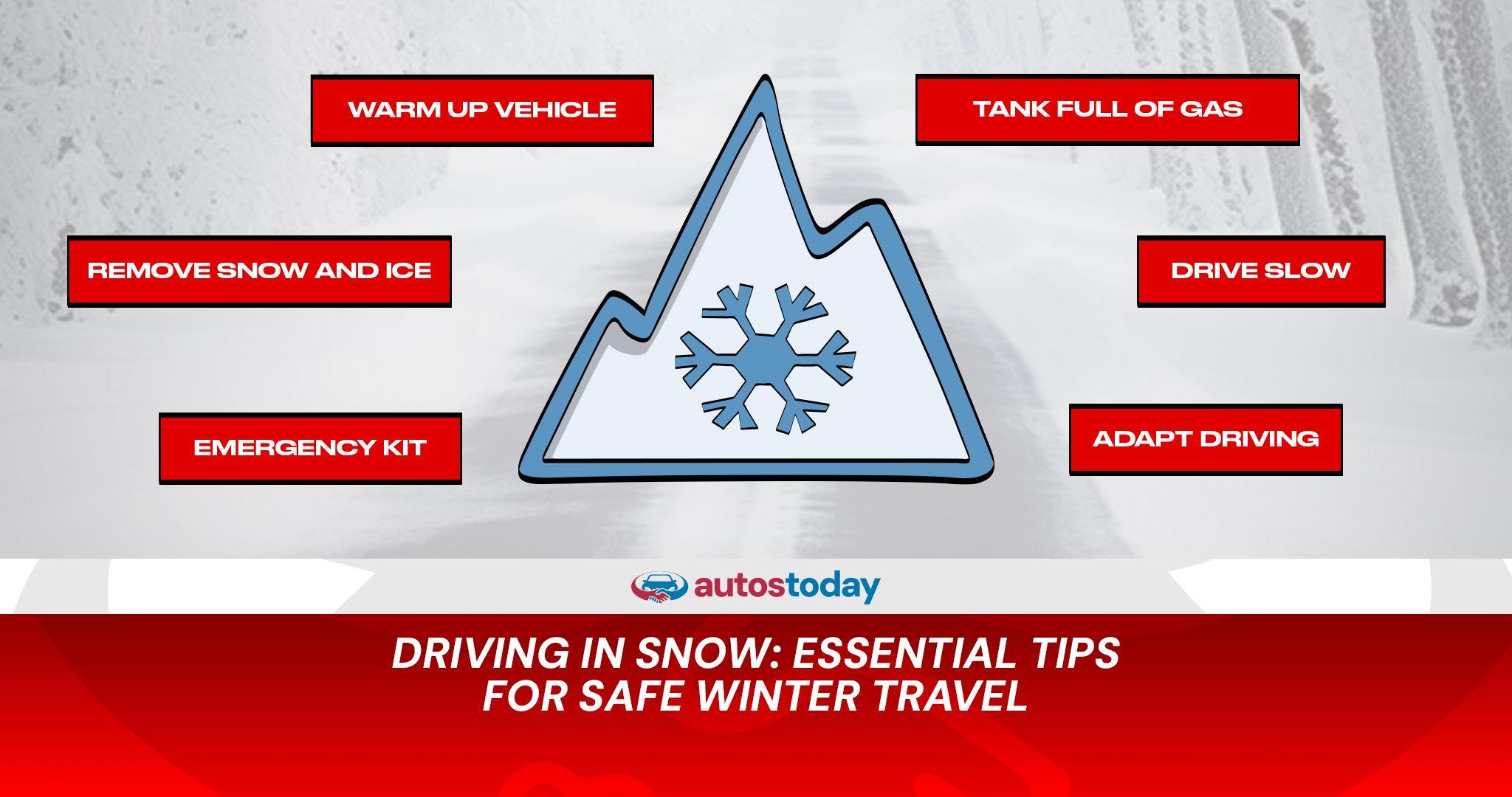
Driving in Snow: Essential Tips for Safe Winter Travel
Driving safely in snow requires extra caution and a steady approach. Slow down to maintain control...
Dec 12, 2024 • 4 min read