Why Is My Car Heater Blowing Cold Air? Fix It Fast!
Published on Feb 13, 2025 • 4 min read
t’s freezing outside. You start your car, crank up the heat, and wait for that glorious wave of warmth… but instead, you get an arctic blast from the vents. Sound familiar?
A broken car heater isn’t just uncomfortable, it can be downright dangerous in freezing weather. But before you resign yourself to layering up like an Eskimo every time you drive, let’s walk through some quick troubleshooting steps.
In this guide, we’ll break down:
- Why your heater might not be working
- Simple DIY checks you can do right now
- When it’s time to call in a mechanic
Let’s get that heat back on!
How Your Car Heater Works (and Why It Might Fail)
Before diving into troubleshooting, it helps to understand what’s actually happening under the hood. Your car’s heating system isn’t magic, it’s powered by the same process that keeps your engine from overheating.
Think of it like this: when your engine runs, it generates a lot of heat. Instead of wasting that heat, your car redirects some of it to warm up the cabin. Here’s how it works in simple terms:
- Engine Coolant absorbs heat from the engine and circulates through the system.
- The Heater Core (a mini radiator inside your dashboard) transfers that heat into the air.
- The Blower Motor pushes the warm air through your vents and into the cabin.
- The Thermostat regulates the temperature, making sure everything stays balanced.
When everything is working properly, this process keeps you warm on even the coldest days. But if something goes wrong, like low coolant, a clogged heater core, or a failing thermostat, you could be left in the cold.
Now, let’s get into the most common reasons your heater might not be working and how to fix them.
Why Your Heater Problem Might Be More Serious Than You Think
A broken car heater is more than just an inconvenience, it can be a real safety risk. According to AAA automotive expert John Paul, failing to address heater issues can lead to bigger problems beyond just staying warm.
"A properly functioning heating system does more than keep you comfortable, it helps prevent your windows from fogging up and maintains engine efficiency. If your heater isn’t working, you may also be dealing with a coolant circulation issue, which could put your engine at risk of overheating."
That means ignoring your heater problem isn’t just about suffering through a cold drive, it could lead to expensive engine repairs down the road. Before it gets worse, let’s look at the most common reasons your heater might not be working.
Common Causes of Heater Problems
If your car’s heater isn’t working, there’s usually a mechanical issue behind it. Here are the most common culprits and how to recognize them.
Low Coolant Level
Your car’s heating system relies on engine coolant to transfer heat into the cabin. If the coolant level is too low, there won’t be enough warm fluid circulating through the heater core, which means no heat inside the car.
Signs of Low Coolant:
- Heater blows cold air, even when the engine is warm.
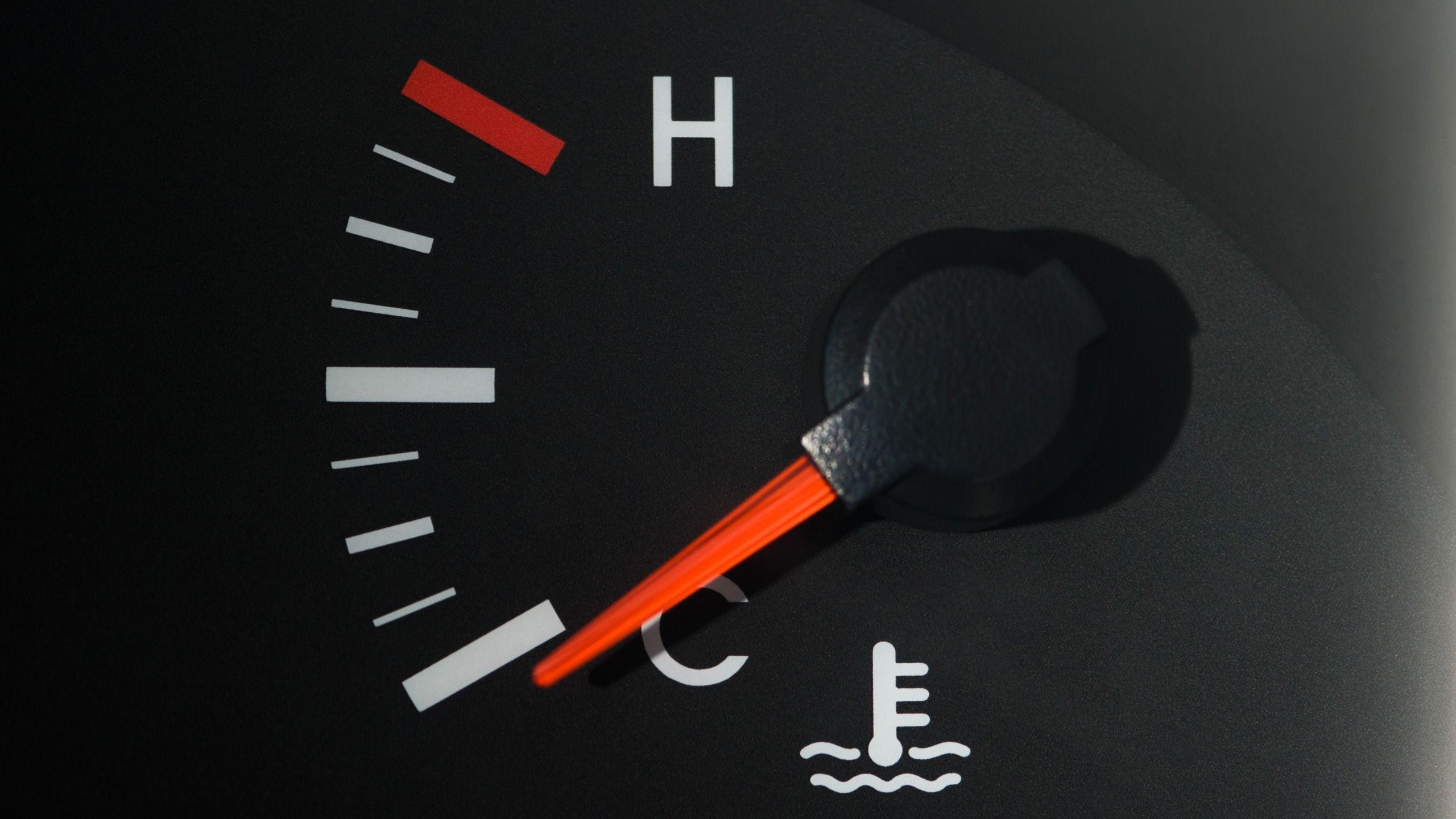
- Engine temperature gauge fluctuates or runs hotter than usual.
- You notice a coolant leak under your vehicle.
Thermostat Issues
The thermostat regulates coolant flow through the engine and heater core. If it’s stuck open, the engine might not get warm enough to provide heat. If it’s stuck closed, it could cause overheating.
Signs of a Bad Thermostat:
- Temperature gauge stays low or fluctuates erratically.
- Engine takes longer than usual to warm up.
- Cabin heat is inconsistent or nonexistent.
Blocked Heater Core
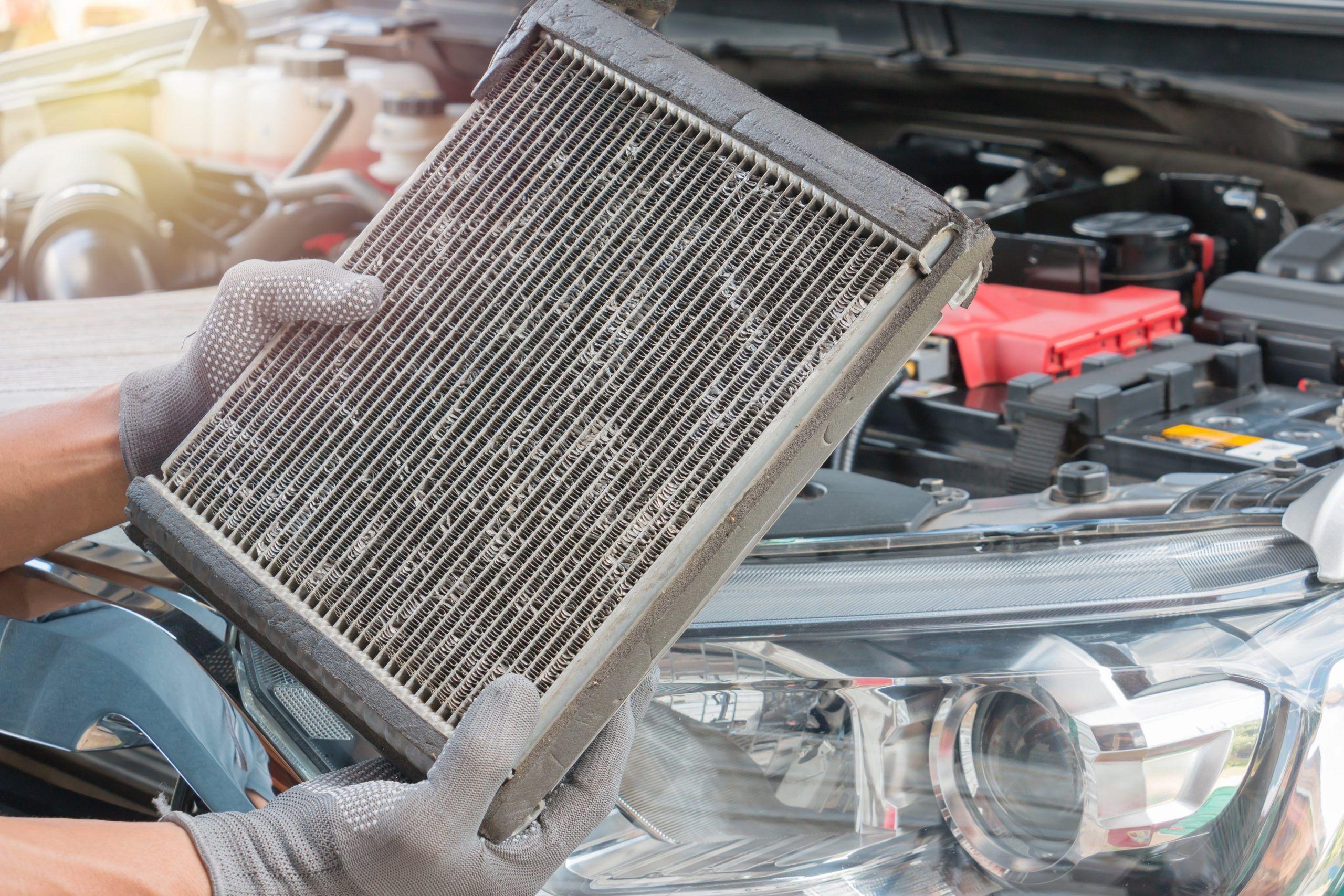
Over time, sediment and rust can build up in the heater core, restricting coolant flow. This can prevent warm air from reaching the cabin.
Signs of a Blocked Heater Core:
- Weak or no heat from vents.
- Windows fogging up more than usual due to lack of warm air circulation.
- One side of the car is warmer than the other.
Broken Blower Motor
The blower motor pushes warm air through the vents. If it’s not working, you might have heat, but it won’t be able to circulate into the cabin.
Signs of a Blower Motor Issue:
- No air coming from the vents, even at the highest setting.
- A clicking or whirring sound when adjusting fan speed.
- The fan only works at certain speeds or stops working altogether.
If your heater isn’t working, identifying the cause early can save you from costly repairs. Next, let’s walk through a step-by-step troubleshooting process to get your heater working again.
Troubleshooting Steps
If your car heater isn’t working, don’t panic. Many common issues can be identified with a few simple checks. You don’t need to be a mechanic to go through these steps, just follow along and see what applies to your situation.
Step 1: Check Coolant Levels
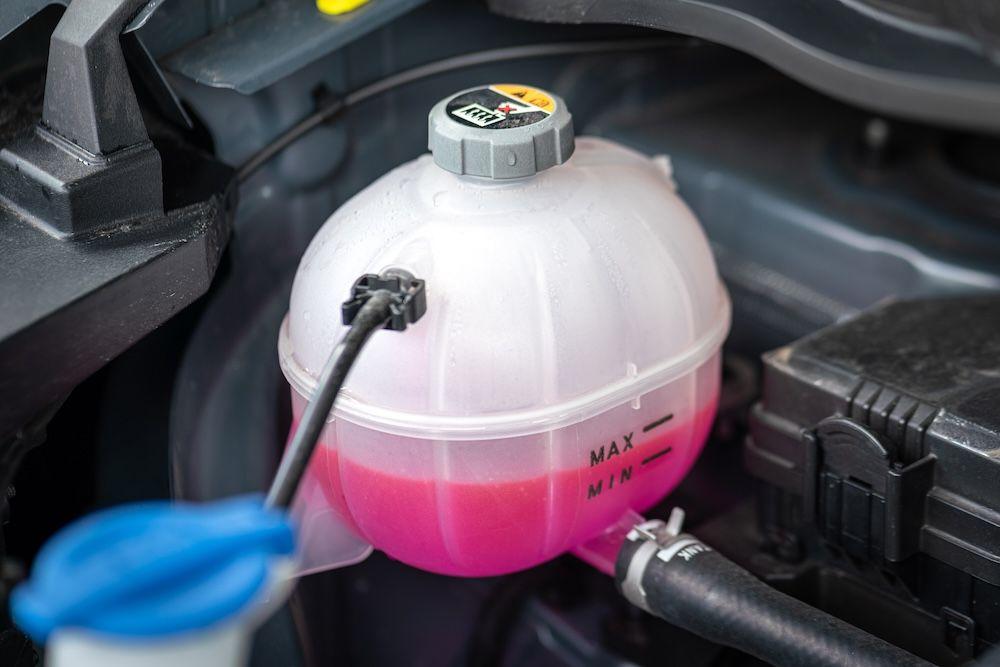
If your heater is blowing cold air and your engine is running hotter than usual, low coolant could be the cause.
How to check:
- Make sure the engine is completely cool before opening the hood.
- Locate the coolant reservoir (a translucent plastic container near the radiator).
- Look at the level markings, if the coolant is below the minimum line, it’s too low.
- Top it off with a 50/50 mix of antifreeze and water, following your vehicle’s specifications.
If your coolant was low and your heater starts working after refilling it, you may have a slow leak. Monitor the levels over the next few days. If they drop again, have a mechanic check for leaks.
Step 2: Inspect the Thermostat
If your temperature gauge stays low even after driving for a while, or if the heater isn’t warming up at all, your thermostat might be stuck open.
How to check:
- Start the car and let it idle.
- Watch the temperature gauge, does it stay low or take an unusually long time to rise?
- After 10–15 minutes, feel the upper radiator hose (wear gloves if needed). If it’s still cold while the engine is warm, your thermostat may be stuck open.
A thermostat replacement is relatively inexpensive but requires draining coolant, so unless you’re comfortable with DIY repairs, it’s best to have a mechanic handle it.
Step 3: Test the Heater Core
If your engine warms up normally but you’re still getting little or no heat, the heater core may be clogged.
How to check:
- With the car running and the heater on high, locate the two hoses leading into the firewall (these connect to the heater core).
- Carefully feel both hoses. One should be hot, and the other should be warm.
- If both are cold, the coolant isn’t circulating properly, which could indicate a blockage.
If you suspect a clogged heater core, you may need a professional coolant flush to remove debris.
Step 4: Check the Blower Motor
If you can feel warmth coming from the vents but no air is blowing, the blower motor may be the problem.
How to check:
- Turn the heater to the highest setting.
- Listen for the blower motor. If you hear a clicking or whirring sound, it might be struggling.
- Try adjusting the fan speed. If nothing happens or only certain speeds work, there could be an electrical issue.
If the blower motor isn’t working, check your vehicle’s fuse box for a blown fuse. If the fuse is fine, the motor or resistor may need replacement.
What If None of These Fixes Work?
If you’ve gone through these steps and your heater still isn’t working, it’s time for a professional diagnosis. Persistent heating issues can sometimes indicate larger cooling system problems, so don’t ignore the signs.
Don’t Get Stuck in the Cold – Take Action Now
A failing heater isn’t just an inconvenience, it could be a warning sign of a bigger issue under the hood. Ignoring it might leave you shivering in your car or, worse, facing costly engine repairs down the road.
If you’ve gone through these troubleshooting steps and found the culprit, great! You’re one step closer to a warm, comfortable ride. But if your heater still isn’t working, don’t wait for the first deep freeze to fix it. A mechanic can quickly diagnose and fix the issue before winter makes it unbearable.
The bottom line? Taking a few minutes to check your heater today can save you from frustration, discomfort, and expensive repairs tomorrow. Stay ahead of the cold, your future self will thank you.
Frequently asked questions
Why is my car heater blowing cold air instead of hot?
This usually happens due to low coolant levels, a stuck thermostat, a clogged heater core, or an issue with the blower motor. Check your coolant first, it’s the most common and easiest fix.
Can I drive my car if the heater isn’t working?
Yes, but it’s not ideal, especially in cold weather. A broken heater can make driving uncomfortable and may also indicate a bigger problem, like low coolant or a thermostat failure, which could lead to engine overheating.
How do I know if my heater core is clogged?
Signs of a clogged heater core include weak or no heat from the vents, windows fogging up excessively, and uneven heating (one side of the car is warm while the other is cold). You can check by feeling the heater core hoses, if one is hot and the other is cold, there may be a blockage.
Why does my car heater only work when I’m driving?
If your heater blows warm air when the car is moving but gets cold at idle, it could be due to low coolant, air trapped in the cooling system, or a weak water pump that isn’t circulating coolant properly at low speeds.
How often should I check my coolant level?
At least once a month, and always before the winter season. Low coolant can lead to both heating and engine problems, so it’s a crucial part of regular vehicle maintenance.
What’s the easiest fix for a car heater that’s not working?
The first thing to check is the coolant level. If it’s low, topping it off might restore heat. If that doesn’t work, try adjusting the thermostat setting or checking for a clogged heater core.
When should I see a mechanic for my heater problem?
If you’ve checked the coolant, thermostat, heater core, and blower motor but still don’t have heat, it’s time to take your car to a professional. Persistent heater issues can indicate larger cooling system failures that require expert repair.
Related Articles
Car Maintenance Guide: Everything You Need to Know
Maintaining your vehicle is essential for its longevity, safety, and performance...
Sep 26, 2024 • 5 min read
How Long Do Car Batteries Last? Everything You Need to Know
side. A dead car battery is one of the most common reasons for cars...
Feb 6, 2025 • 5 min read
How to Check Your Tire Pressure
Did you know that nearly 50% of vehicles on the road have at least one under-inflated tire?
Oct 3, 2024 • 5 min read
Common Problems With Traction Control
Did you know that nearly 70% of modern vehicles come equipped with traction control systems (TCS)? This technology...
Oct 10, 2024 • 5 min read