When to Change Transmission Fluid?
Published on Nov 7, 2024 • 4 min read
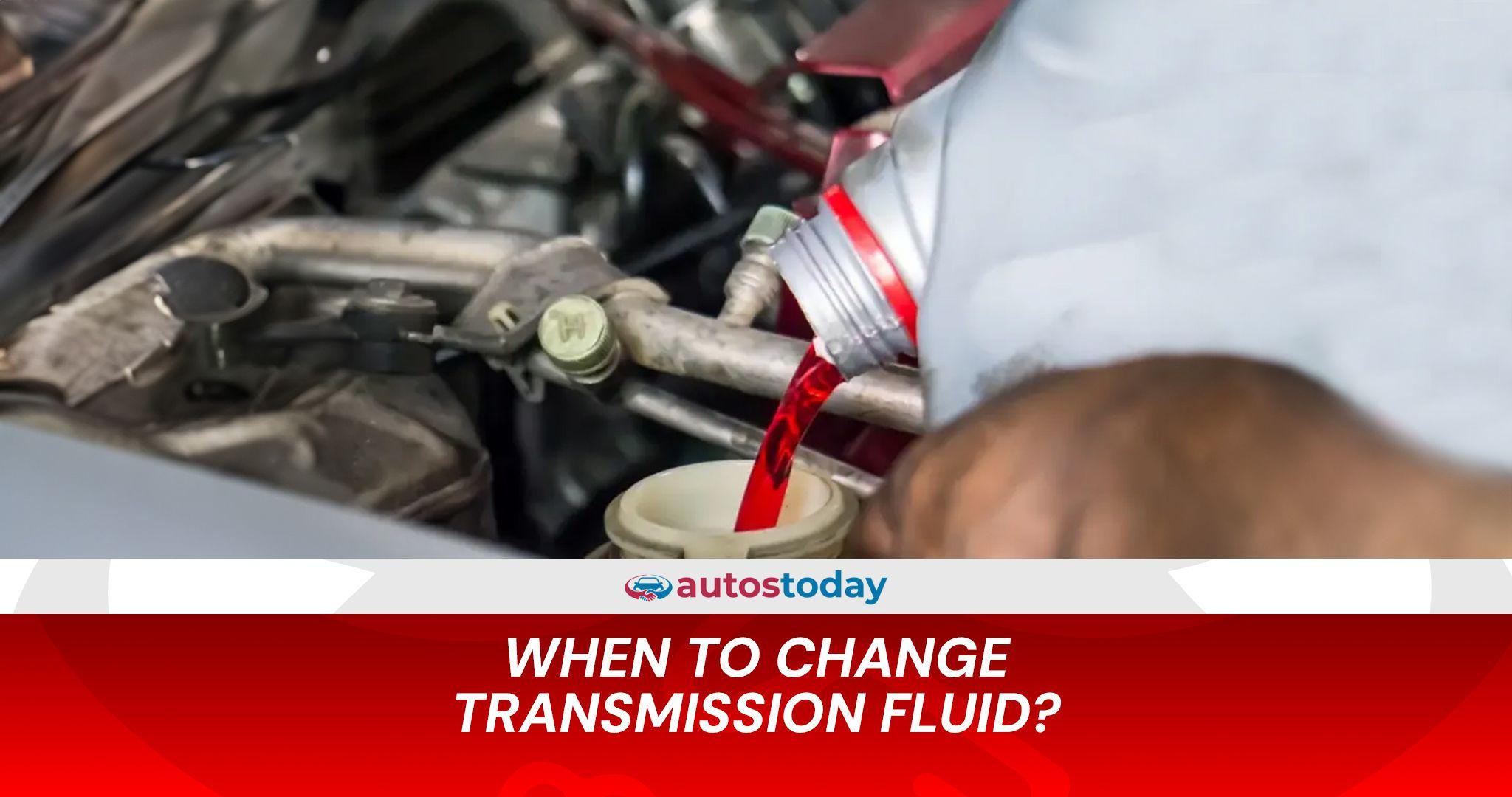
As a general rule, you should change your transmission fluid every 30,000 to 60,000 miles for manual transmissions and every 60,000 to 100,000 miles for automatic transmissions. However, these intervals can vary based on driving conditions and your vehicle's specific requirements. Always consult your owner's manual for the most accurate recommendations Neglecting to change your transmission fluid can lead to costly repairs or even transmission failure. Many drivers overlook this essential maintenance, but understanding fluid change intervals is crucial for vehicle performance and longevity. conditions and specific vehicle requirements. Always check your owner's manual for the best guidance.
Understanding Transmission Fluid
What is Transmission Fluid?
Transmission fluid is a specialized lubricant designed to keep your vehicle’s transmission system functioning smoothly. It plays several critical roles:
- Lubrication: Reduces friction between moving parts, preventing wear and tear.
- Cooling: Helps dissipate heat generated during operation, protecting components from overheating.
- Hydraulic Function: Transmits power within the transmission system, enabling smooth gear shifts.
Types of Transmission Fluids
When considering a transmission fluid change—whether DIY or professional—it's essential to understand the different types of fluids available:
- Automatic Transmission Fluid (ATF): Commonly used in automatic transmissions, ATF contains additives that help optimize performance and prevent wear. It also has detergents that keep the transmission clean.
- Continuously Variable Transmission (CVT) Fluid: Specifically designed for CVTs, this fluid has unique properties to accommodate the variable gear ratios. It often contains special friction modifiers to ensure proper operation.
- Manual Transmission Fluid: Often thicker than ATF, manual transmission fluid is designed for manual gear systems and provides enhanced lubrication under high-stress conditions. Some manual fluids contain additives for improved performance in extreme temperatures.
- Dual-Clutch Transmission (DCT) Fluid: Used in vehicles with dual-clutch systems, this fluid is formulated to provide optimal lubrication and cooling for the unique design of DCTs.
How Often to Change Transmission Fluid
The frequency of changing your transmission fluid can vary based on several factors:
- Manual Transmissions: Generally recommended every 30,000 to 60,000 miles. If you frequently drive under severe conditions (e.g., towing), consider changing it every 15,000 miles.
- Automatic Transmissions: Typically suggested every 60,000 to 100,000 miles. However, severe driving conditions may necessitate changes as early as 30,000 miles.
- CVT Fluid: For vehicles equipped with CVTs, refer to your owner’s manual for specific intervals; these can vary significantly based on manufacturer recommendations.
- DCT Fluid: Similar to CVTs, DCTs may have specific intervals outlined in the owner’s manual due to their unique operational characteristics.
Factors Affecting Change Frequency
Several driving conditions can influence how often you should change your transmission fluid:
- Towing or Heavy Loads: Regularly towing or carrying heavy loads generates additional heat in the transmission, necessitating more frequent fluid changes. If you tow frequently, consider checking your fluid every 15,000 miles.
- Stop-and-Go Traffic: City driving with frequent stops can strain the transmission more than highway driving, leading to quicker fluid degradation. If your daily commute involves heavy traffic, be proactive about monitoring your fluid condition.
- Extreme Temperatures: Operating in very hot or cold climates can also impact the lifespan of your transmission fluid. In extreme heat, fluids can break down faster; in cold temperatures, they may thicken and not flow as easily.
- Driving Style: Aggressive driving habits such as rapid acceleration and hard braking can also contribute to quicker wear on transmission components and necessitate more frequent changes.
Signs Transmission Fluid Needs Changing
Recognizing the signs that your transmission fluid needs changing can help prevent costly repairs:
- Discoloration: Fresh transmission fluid should be bright red or pink. If you notice dark brown or black fluid, this indicates contamination and a need for replacement. You can check the color by pulling out the dipstick (if equipped) and wiping it on a white cloth.
- Shifting Issues: Difficulty shifting gears or unexpected gear slipping can signal low or degraded fluid levels. Pay attention if your vehicle hesitates before shifting or if you experience a delay when accelerating.
- Unusual Noises: Grinding or clunking sounds during gear shifts often indicate insufficient lubrication due to old or contaminated fluid. If you hear whining noises when changing gears, it could be a sign that your fluid needs attention.
- Overheating: If your transmission overheats—indicated by a warning light on your dashboard or unusual smells—it may be a sign that the fluid is old and not cooling properly. Overheating can lead to severe damage if not addressed promptly.
- Fluid Leaks: Puddles of red or brown liquid under your vehicle could indicate a leak in the transmission system. If you notice leaks, have them inspected immediately as low fluid levels can cause significant damage.
Importance of Transmission Fluid Maintenance
Regular maintenance of your transmission fluid is critical for several reasons:
- Prevents Overheating: Proper lubrication and cooling help prevent overheating of transmission components, which can lead to severe damage. Overheating can warp internal parts and lead to costly repairs.
- Extends Transmission Life: Neglecting fluid changes can result in significant wear and tear on the transmission system, leading to expensive repairs or even complete failure. A well-maintained transmission can last significantly longer than one that is neglected.
- Enhances Performance: Clean and adequate transmission fluid ensures smooth shifting and overall better vehicle performance. It allows for efficient power transfer from the engine to the wheels.
- Cost-Effective Maintenance: Regularly changing your transmission fluid is a relatively low-cost maintenance task compared to the potential costs associated with major transmission repairs. Investing in routine maintenance now can save you thousands later.
- Improves Fuel Efficiency: Properly maintained transmission systems operate more efficiently, which can lead to improved fuel economy—an added benefit for budget-conscious drivers.
DIY vs. Professional Service
When considering a DIY approach to changing your transmission fluid versus hiring a professional service, weigh the pros and cons:
DIY Advantages
- Cost Savings: Changing the fluid yourself can save money on labor costs.
- Monitoring Vehicle Condition: Performing maintenance yourself allows you to closely monitor your vehicle’s condition and catch potential issues early.
- Learning Experience: Doing it yourself gives you hands-on experience with your vehicle's mechanics and helps you understand its workings better.
Professional Service Benefits
- Expertise Required for Complex Systems: Some transmissions are complex or may require specialized equipment for a complete flush. Professionals have the necessary expertise and tools.
- Warranty Protection: If your vehicle is still under warranty, having maintenance performed by a certified technician may be required to maintain warranty coverage.
- Time-Saving Convenience: For those with busy schedules or limited mechanical knowledge, hiring a professional saves time and ensures that the job is done correctly.
Cost Estimates
Understanding the costs associated with changing your transmission fluid can help with budgeting:
- DIY Changes: Expect to spend between $50-$100 on fluids and filters if you choose to do it yourself. This includes purchasing quality fluids recommended by manufacturers as well as any necessary tools like a funnel or drain pan.
- Professional Services: Typically range from $150-$300 depending on vehicle type and location. This cost may include labor as well as any necessary materials like filters and new fluid.
Transmission Flush vs. Fluid Change
It's essential to clarify the difference between a transmission flush and a standard fluid change:
- Fluid Change: Involves draining old fluid and replacing it with new fluid—this is generally sufficient for routine maintenance unless there are specific issues requiring more extensive service.
- Flush: A more thorough process that removes all old fluid from the system using specialized equipment. However, it may dislodge debris in older transmissions; thus, it should be approached with caution if your vehicle has high mileage or has never had a flush before.
Conclusion
Regular transmission fluid changes are vital for vehicle performance and preventing costly repairs. Manual transmissions should be serviced every 30,000 to 60,000 miles, while automatic transmissions need changes every 60,000 to 100,000 miles, with more frequent changes in severe conditions. Transmission fluid reduces friction, cools components, and provides hydraulic power for smooth shifting. Watch for signs like discolored fluid or shifting issues, which signal the need for a change. While DIY changes can save money, complex cases may require professional help. Always refer to your owner’s manual for specific guidance to keep your vehicle running smoothly.
Related Articles

Car Maintenance Guide: Everything You Need to Know
Maintaining your vehicle is essential for its longevity, safety, and performance...
Sep 26, 2024 • 5 min read

How Long Do Car Batteries Last? Everything You Need to Know
side. A dead car battery is one of the most common reasons for cars...
Feb 6, 2025 • 5 min read

How to Check Your Tire Pressure
Did you know that nearly 50% of vehicles on the road have at least one under-inflated tire?
Oct 3, 2024 • 5 min read
Common Problems With Traction Control
Did you know that nearly 70% of modern vehicles come equipped with traction control systems (TCS)? This technology...
Oct 10, 2024 • 5 min read