Driving in Snow: Essential Tips for Safe Winter Travel
Published on Dec 12, 2024 • 4 min read
Modified At: Dec 13, 2024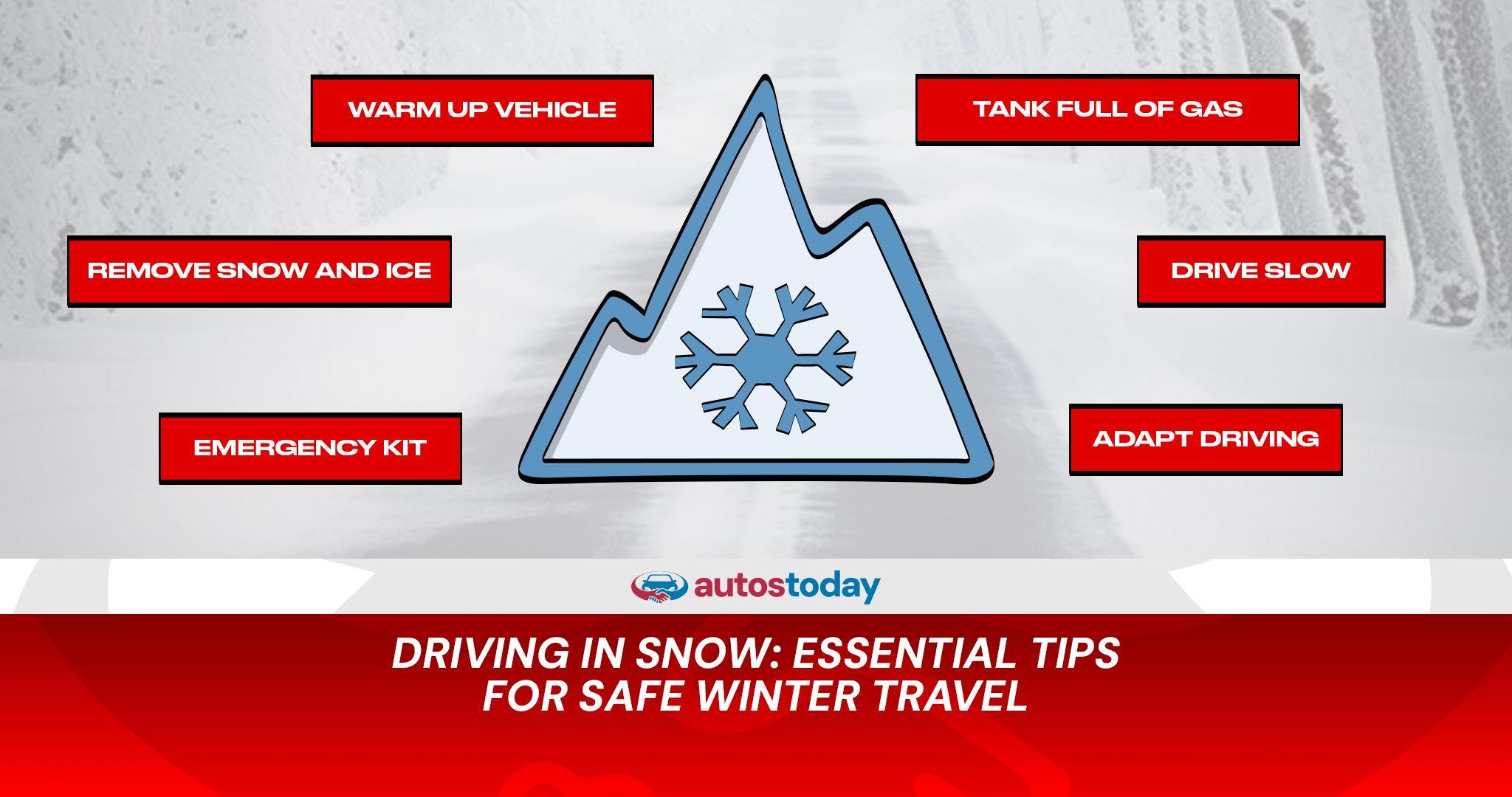
Driving safely in snow requires extra caution and a steady approach. Slow down to maintain control, and keep a greater distance between your vehicle and the one ahead to allow for longer stopping times. Smooth, gentle turns and stops are essential to avoid skidding. Stay focused, anticipate potential hazards, and understand how to handle your car in slippery conditions. With patience and the right precautions, you can navigate snowy roads confidently and avoid accidents.
Understanding Winter Driving Conditions
The Challenges of Driving in Snow
Driving in snow presents unique challenges that can affect vehicle handling and driver visibility:
- Reduced Traction: Snow and ice create a slippery surface that can lead to skidding or loss of control.
- Limited Visibility: Snow can obscure road signs, lane markings, and other vehicles, making it harder to navigate.
- Longer Stopping Distances: Stopping distances can increase significantly on snowy roads. It may take up to 10 times longer to stop on ice compared to dry pavement.
Expert Insights
According to the AAA Foundation for Traffic Safety, “Winter weather conditions contribute to over 1 million crashes each year.” Understanding how snow affects driving is essential for minimizing risks on the road.
Preparation Before You Hit the Road
Check Your Vehicle
Before heading out in snowy conditions, ensure your vehicle is ready:
- Tires: Make sure your tires have adequate tread depth (at least 2/32 inches) and are properly inflated. Consider using winter tires for improved traction.
- Battery: Cold weather can reduce battery efficiency. Have your battery tested to ensure it’s in good condition.
- Fluids: Check all fluid levels, including antifreeze, windshield washer fluid (use a winter formula), and oil.
- Lights: Ensure all lights are functioning properly for better visibility.
Emergency Kit
Having an emergency kit in your vehicle can be a lifesaver during winter travel. Include:
- Blankets: To keep warm if you get stuck in the cold.
- Non-perishable snacks: Keep energy-boosting snacks like granola bars or nuts to help if you're stranded for a while.
- Water: It's important to stay hydrated, especially if you're waiting for help in cold conditions.
- Flashlight with extra batteries: A flashlight is crucial if you need to check your car or signal for help in the dark.
- First-aid kit: Basic medical supplies are always useful in case of minor injuries.
- Jumper cables: These can help you restart your car if the battery dies.
- Ice scraper and shovel: These are essential for clearing snow or ice from your car and getting it out if it’s stuck.
- Flares or warning triangles: To make your vehicle visible to other drivers, especially in low visibility conditions.
Driving Techniques for Snowy Conditions
Speed Management
- Slow Down: Reduce your speed significantly when driving in snow. A slower speed allows for better control and reaction time.
- Use Lower Gears: In some cases, using lower gears can help maintain traction on slippery surfaces.
Increase the Following Distance
- Maintain Space: Increase your following distance to at least 6–8 seconds behind the vehicle in front of you. This gives you ample time to react if they break suddenly.
- Avoid Sudden Movements: Make gradual adjustments when steering, accelerating, or braking to prevent skidding.
Steering Techniques
- Steering Control: If you start to skid, steer gently in the direction of the skid. For example, if the rear of your car is sliding left, steer left until you regain control.
- Don't Overcorrect: Avoid oversteering or making sudden movements that could worsen a skid.
What to Do If You Get Stuck
Getting Unstuck from Snow
If you find yourself stuck in snow:
- Stay Calm: Panicking can lead to poor decision-making.
- Clear Snow Around Tires: Use a shovel or your hands (if safe) to clear away snow from around the tires.
- Use Traction Aids: Place items like sand, kitty litter, or even floor mats under the tires for extra traction.
- Rock Your Vehicle: Gently shift between drive and reverse while applying light pressure on the accelerator to help free your wheels.
Calling for Help
If you’re unable to get unstuck after several attempts, don’t hesitate to call for roadside assistance or emergency services.
Navigating Different Road Conditions
Icy Roads vs. Snowy Roads
Understanding how to adapt your driving based on road conditions is crucial:
- Icy Roads: On icy surfaces, even less acceleration and braking force are needed than on snowy roads. If you encounter black ice (a thin layer of ice that is nearly invisible), slow down and avoid sudden movements.
- Fresh Snow vs. Packed Snow: Fresh snow provides more traction than packed snow but can still be slippery. Adjust your speed accordingly based on how well the road has been cleared.
Conclusion
Driving in snow requires extra caution and preparation but doesn’t have to be daunting. By understanding the challenges posed by winter conditions and adopting safe driving practices—such as reducing speed, increasing following distance, and making smooth maneuvers—you can navigate snowy roads confidently.
Key Takeaways
- Always prepare your vehicle before winter travel.
- Reduce speed and increase following distance when driving in snow.
- Use gentle steering techniques and avoid sudden movements.
Frequently Asked Questions
What should I do if my car starts skidding?
If your car starts skidding, remain calm and steer gently in the direction of the skid until you regain control. Avoid slamming on the brakes as this could worsen the skid.
How often should I check my tire pressure during winter?
Check your tire pressure at least once a month during winter months; cold temperatures can cause tire pressure to drop significantly.
Are all-season tires sufficient for driving in heavy snow?
While all-season tires provide decent performance in light snow conditions, they may not offer adequate traction in heavy snow or icy conditions. Consider using dedicated winter tires for improved safety.
How can I improve my visibility while driving in snow?
Use your headlights even during daytime driving in snowy conditions; this increases visibility for both you and other drivers. Keep your windshield clean and use windshield wipers designed for winter weather if necessary.
Related Articles
How Long Do Car Batteries Last? Everything You Need to Know
side. A dead car battery is one of the most common reasons for cars...
Feb 6, 2025 • 5 min read
Common Problems With Traction Control
Did you know that nearly 70% of modern vehicles come equipped with traction control systems (TCS)? This technology...
Oct 10, 2024 • 5 min read
What Is The Best Time to Buy Tires?
Tires are essential for your vehicle’s safety, performance, and fuel...
Oct 31, 2024 • 4 min read

How Long Should You Let Your Car Warm Up? (And Why Less Is More)
For most modern vehicles, allowing your car to idle for 30 seconds to one minute is generally sufficient...
Feb 13, 2025 • 4 min read