How Long Should You Let Your Car Warm Up? (And Why Less Is More)
Published on Feb 13, 2025 • 4 min read
Modified At: Feb 14, 2025
It’s a freezing winter morning. You’re bundled up, sitting in your car, waiting as the engine idles and the heater slowly sputters to life. It’s a routine many of us learn from parents or grandparents but is it actually necessary?
The answer might surprise you. If you’re wondering how long you should let your car warm up, the reality is that modern vehicles only need 30 to 60 seconds of idling before they’re ready to drive. After that, gently driving your car is the most efficient way to help the engine reach its optimal temperature.
Why? Because today’s engines are designed to warm up faster while in motion. Prolonged idling doesn’t speed up the process, it just wastes fuel, adds unnecessary wear, and increases emissions.
In this article, you’ll learn:
- Why warming up was necessary for older cars but not today.
- How cold weather affects your car’s performance.
- The ideal warm-up time for modern engines.
- Practical tips to save fuel, protect your engine, and reduce emissions.
So, before you sit through another 10-minute warm-up session, let’s find out why that habit no longer applies, and what you should do instead.
Why Do We Warm Up Cars? (And Why It’s No Longer Necessary)
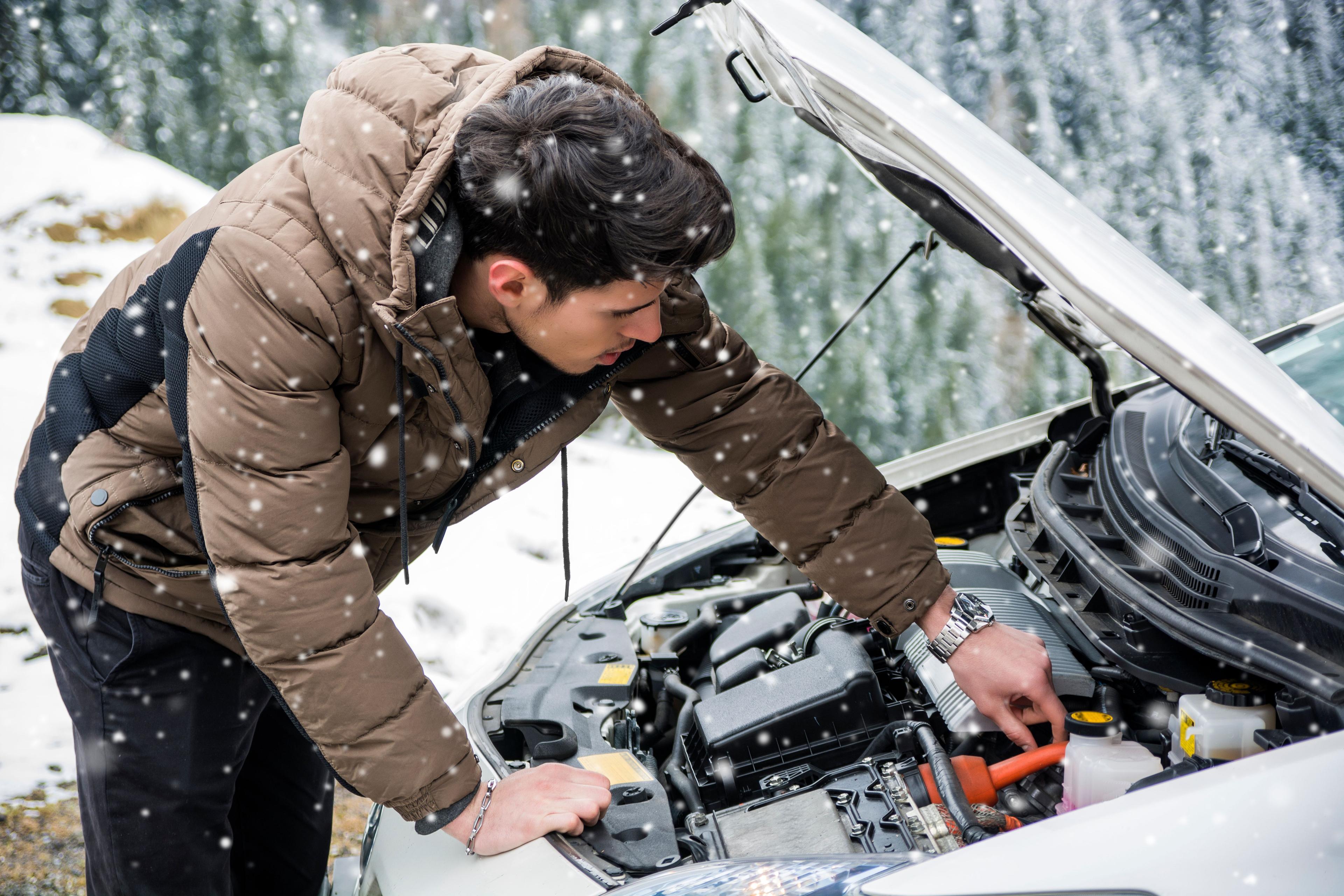
We all know someone who still swears by letting their car idle for 10 or 15 minutes on a cold morning. Maybe they learned it from their parents or maybe you’ve done it yourself. But is this practice still necessary with modern vehicles?
The truth is, it’s a habit rooted in outdated technology. Years ago, cars relied on carbureted engines that needed time to mix fuel and air properly. Without a warm-up period, these engines could stall or run unevenly, especially in cold weather.
However, modern vehicles use fuel-injection systems that automatically adjust the fuel-air mixture, no matter the temperature. That means you don’t need to sit idling while your car warms up. Instead, gently driving your car after a brief 30-60 second warm-up helps it reach its optimal operating temperature more efficiently.
So if you’re wondering how long you should let your car warm up today, the answer is simple: just long enough to let the oil circulate then start driving.
The Impact of Cold Weather on Your Car
Ever turned the key on a freezing morning and heard nothing but a weak click? Cold weather doesn't just make driving less comfortable it also puts your car's essential components under stress. From sluggish batteries to thickened engine oil, understanding how cold affects your car helps you make smarter decisions about warming it up.
Here’s what happens under the hood when temperatures drop:
Battery Performance Plummets
Cold weather is particularly hard on car batteries. As temperatures fall, the chemical reactions that generate battery power slow down, making it harder to start the engine. According to AAA, a car battery loses about 35% of its power at 32°F (0°C) and up to 60% when temperatures hit 0°F (-18°C).
That's why, on icy mornings, you might hear a slow crank or no sound at all. A brief engine warm-up can help but more importantly, ensuring your battery is in good condition before winter can save you from that dreaded "click."
Engine Oil Thickens in the Cold
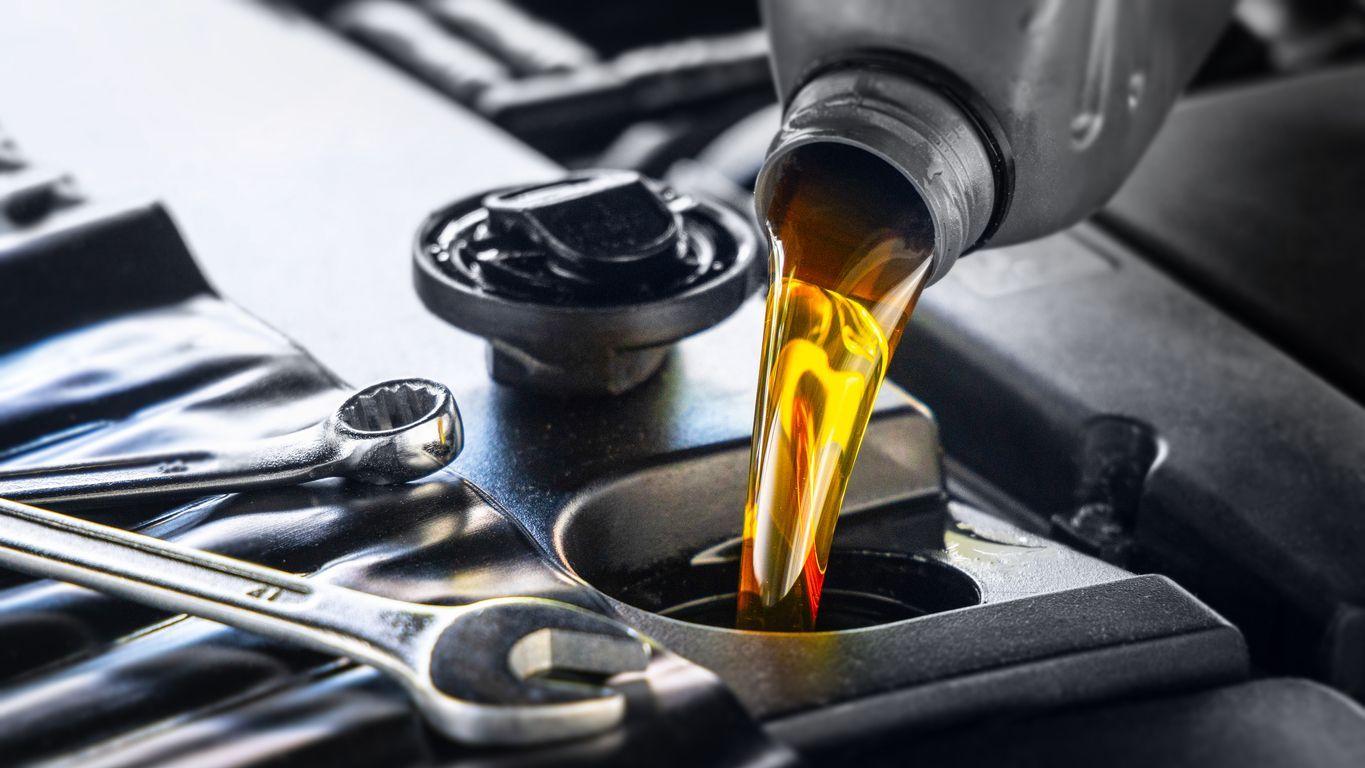
Oil plays a crucial role in keeping your engine running smoothly, but when temperatures drop, it thickens and flows more slowly. Imagine trying to pour syrup straight from the fridge. Engine oil behaves similarly in cold weather.
Thicker oil means less effective lubrication for metal components, which increases wear and tear. Using winter-grade oil—such as 0W-20 or 5W-30—helps, but giving your car a brief idle period ensures the oil starts circulating before you drive.
Tire Pressure Drops
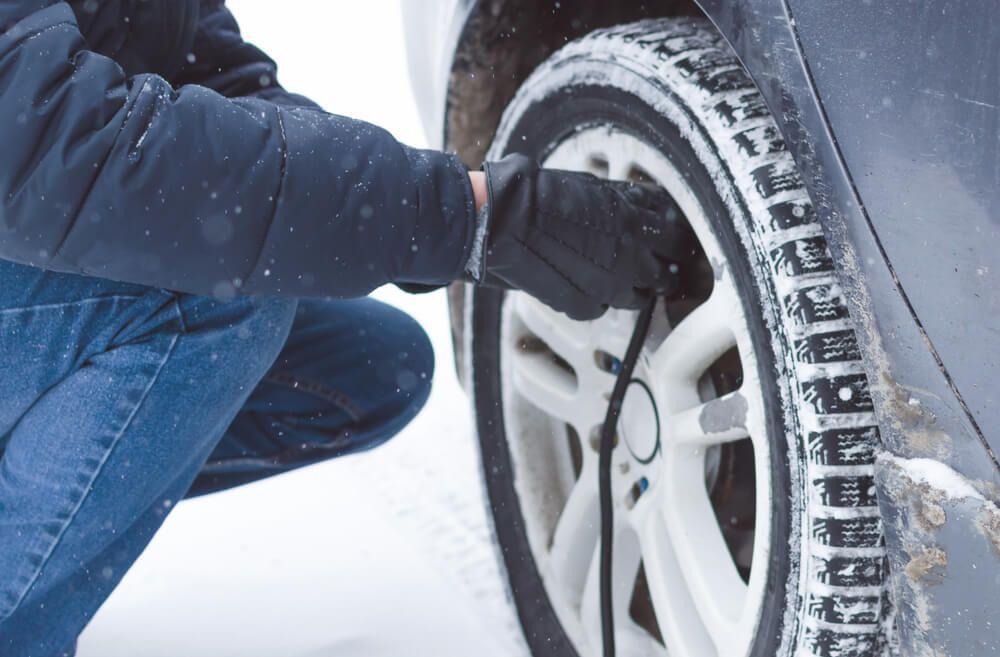
You might notice the low tire pressure warning light more often during winter. That’s because cold air causes tire pressure to decrease about 1 psi for every 10°F temperature drop. Underinflated tires reduce traction, make handling more difficult, and can even impact fuel efficiency.
Regularly checking your tire pressure during winter helps maintain a better grip and safer driving.
Cold Weather & Warm-Up Time: What's the Connection?
Understanding how freezing temperatures affect your car helps explain why modern vehicles need only 30 to 60 seconds of idling. After that, gentle driving warms up the oil, battery, and tires more efficiently than prolonged idling.
Your car doesn't need to sit and wait, it needs to move and warm up through steady, careful driving.
What Mechanics Recommend
Ever wonder what mechanics really say about warming up your car on cold mornings? It might surprise you.
Joseph Henmueller, president and COO of the Automotive Maintenance and Repair Association, explains that while modern engines don’t need long idle times, a brief warm-up is still essential. "The oil is the lifeblood of the engine," Henmueller says. "Fluids get thicker when it’s cold, so to lubricate properly, they need 60 to 120 seconds of the engine running."
But here's the key: idling beyond that point doesn’t help. Once the oil has circulated, the most effective way to warm up your engine is to start driving gently. Prolonged idling just burns extra fuel and adds unnecessary wear without warming the car any faster.
So, while it’s smart to give your car a short head start on freezing mornings, remember: modern vehicles warm up best when they’re in motion.
The Hidden Costs of Idling: Fuel, Emissions, and Your Wallet
Imagine paying for a full tank of gas every year just to sit still. It sounds ridiculous, but that’s exactly what happens when you let your car idle too often in cold weather.
Many drivers believe idling helps their car warm up faster or protects the engine. In reality, modern vehicles warm up more efficiently while driving, and excessive idling only wastes fuel, harms the engine, and contributes to pollution. Here’s how:
Fuel Costs Add Up Fast
When your car idles, the engine burns fuel without getting you anywhere. According to the U.S. Department of Energy, idling consumes about 0.2 gallons of gas per hour. That might not sound like much at first, but consider this:
- 5 minutes of idling each day = 30 hours of idle time over a winter season.
- 30 hours of idling = 6 gallons of wasted fuel.
Depending on gas prices in your area, that’s $20–$30 burned for nothing. Over several winters, the costs quietly pile up, all while your car warms up more effectively if you simply start driving.
Invisible But Significant Environmental Impact
Every gallon of gas burned releases over 20 pounds of carbon dioxide into the atmosphere, contributing to climate change. Now imagine all the idling cars across the country on cold mornings those emissions add up quickly.
In fact, the Environmental Protection Agency (EPA) reports that idling for more than 30 seconds wastes more fuel than restarting your car. So, while idling might feel like a harmless winter habit, it’s actually fueling climate change one stationary engine at a time.
The Simple Fix is Idle Less, Drive More
The best way to warm your car and minimize costs? Start driving after 30–60 seconds of idling. Modern engines warm up faster on the road, and reducing idle time saves fuel, money, and the environment.
So next time you're tempted to let your car run for 10 minutes on a cold morning, remember: idling is like burning money and the planet pays the price, too.
Additional Factors Affecting Warm-Up Time
Not all cars—and not all winters—are created equal. Warming up a 20-year-old sedan in a Minnesota blizzard isn’t the same as starting a new luxury SUV on a crisp California morning. So, while 30 to 60 seconds of idling works for most vehicles, there are a few exceptions worth considering.
Here’s how factors like vehicle type, age, and climate can influence your warm-up routine and what you can do to keep your car running smoothly in any weather.
Vehicle-Specific Factors
1. Older Vehicles (Pre-1990s Models)
If you’re driving a classic car with a carbureted engine, a longer warm-up period may still be necessary. Carburetors need time to adjust the fuel-air mixture, something modern fuel-injected engines handle automatically. If your older car struggles with cold starts, consider:
- Letting it idle for 2–3 minutes before driving.
- Switching to winter-grade oil (e.g., 5W-30) for better flow in freezing conditions.
- Checking the choke (if manual) to ensure it functions properly.
2. Modern Vehicles with Advanced Systems
Newer cars, especially those from luxury brands, often come with temperature-regulating systems and advanced sensors that adjust performance based on the weather. In most cases, these systems eliminate the need for extra warm-up time.
Tip: Start the engine, wait 30–60 seconds, and drive gently. The onboard computer will handle the rest.
3. Electric and Hybrid Vehicles
Electric vehicles (EVs) don’t require engine warm-ups, but cold weather affects battery efficiency. In freezing temperatures, an EV’s range can decrease by up to 20–40%. Hybrids, meanwhile, still need the engine to warm up briefly when switching from electric to gas power.
What to Do:
- Precondition the battery if your EV offers this feature.
- Keep the car plugged in overnight during extreme cold to maintain battery temperature.
Climate-Based Factors
1. Mild Winter Regions (Above Freezing)
If you live somewhere with temperatures rarely dipping below 32°F (0°C), a 30-second warm-up is more than enough. Your engine oil remains relatively fluid, and your battery maintains most of its power.
Quick Tip: Focus more on tire pressure than engine warm-up, since tire inflation drops with cooler air.
2. Extreme Cold (Below -10°F/-23°C)
In sub-zero conditions, engine fluids thicken, batteries weaken, and metal contracts, making cold starts more demanding. In these cases, a 2–3 minute warm-up might help, but prolonged idling is still unnecessary.
Practical Tips for Extreme Cold:
- Use an engine block heater and plug it in a few hours before starting the car to warm the engine and prevent hard starts.
- Switch to synthetic winter-grade oil because these oils maintain better viscosity in extreme cold.
- Check your battery health regularly since batteries are more prone to failure in freezing weather.
The Bottom Line
Your car’s ideal warm-up time depends on its age, design, and the weather conditions it faces. In most cases, 30 to 60 seconds of idling is enough even on cold mornings. But if you're driving an older model or braving extreme temperatures, a few small adjustments can go a long way in protecting your engine and ensuring a smooth winter ride.
Smarter Warm-Ups, Better Winter Driving

Old habits die hard but some need to be retired for good. If you’ve spent winters idling your car for 10 minutes before driving, it’s time to rethink that routine.
Modern vehicles are built for efficiency. A short 30–60 second warm-up is all your engine needs before hitting the road. After that, driving gently helps everything—from the oil to the tires—adjust to cold conditions more effectively than prolonged idling ever could.
So, next time you're tempted to sit and wait, remember: idling costs you fuel, money, and engine health without delivering any real benefit.
Try it tomorrow. Start your engine, wait half a minute, and start driving. You’ll spend less on gas, reduce wear on your car, and cut down on harmful emissions all while getting where you need to go faster.
Winter driving doesn’t have to be complicated. It just takes a short warm-up, a light foot on the pedal, and a shift away from outdated habits.
Frequently Asked Questions
How long should I warm up my car in winter?
For most modern vehicles, 30 to 60 seconds of idling is sufficient. After that, driving gently helps the engine warm up more efficiently than prolonged idling.
Why did older cars need more time to warm up?
Older cars used carbureted engines, which required time to mix fuel and air properly. Modern fuel-injected engines handle this automatically, so long idle times are no longer necessary.
Does idling really waste that much fuel?
Yes. The U.S. Department of Energy reports that idling consumes about 0.2 gallons of fuel per hour. Over a winter season, just 5 minutes of daily idling can waste 6 gallons of gas—and that adds up.
Is it bad to drive without warming up the engine?
No, not if you drive gently. Modern engines warm up faster when in motion, as driving distributes oil more effectively than idling. Just avoid high speeds and heavy acceleration for the first few minutes.
What if I live in extremely cold conditions?
In temperatures below -10°F (-23°C), a slightly longer warm-up of 2–3 minutes can help. Using an engine block heater overnight can also prevent hard starts and reduce engine wear.
Does idling affect my car’s lifespan?
Yes. Excessive idling leads to carbon buildup in the engine, which can cause increased wear and reduced performance over time. Regularly driving your car after a short warm-up keeps the engine healthier.
What’s the best way to warm up my car efficiently?
Start your engine, let it idle for 30–60 seconds, and then drive gently. This method warms the engine, oil, and other components faster than idling for long periods.
Related Articles
How Long Do Car Batteries Last? Everything You Need to Know
side. A dead car battery is one of the most common reasons for cars...
Feb 6, 2025 • 5 min read
Common Problems With Traction Control
Did you know that nearly 70% of modern vehicles come equipped with traction control systems (TCS)? This technology...
Oct 10, 2024 • 5 min read
What Is The Best Time to Buy Tires?
Tires are essential for your vehicle’s safety, performance, and fuel...
Oct 31, 2024 • 4 min read
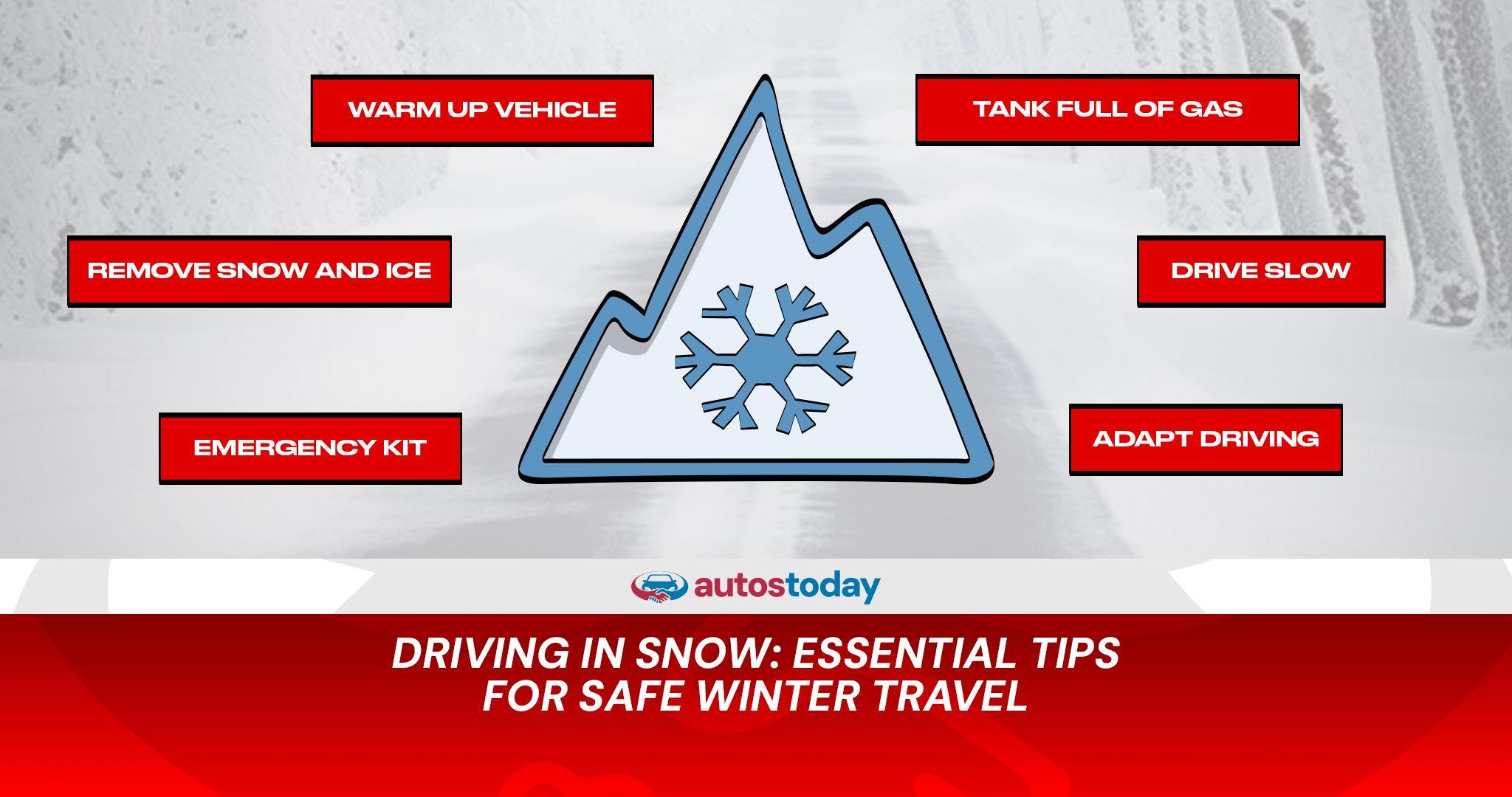
Driving in Snow: Essential Tips for Safe Winter Travel
Driving safely in snow requires extra caution and a steady approach. Slow down to maintain control...
Dec 12, 2024 • 4 min read