Winter tires: the small change that makes a big winter difference
Published on Nov 2, 2025 • 5 min read
Modified At: Nov 5, 2025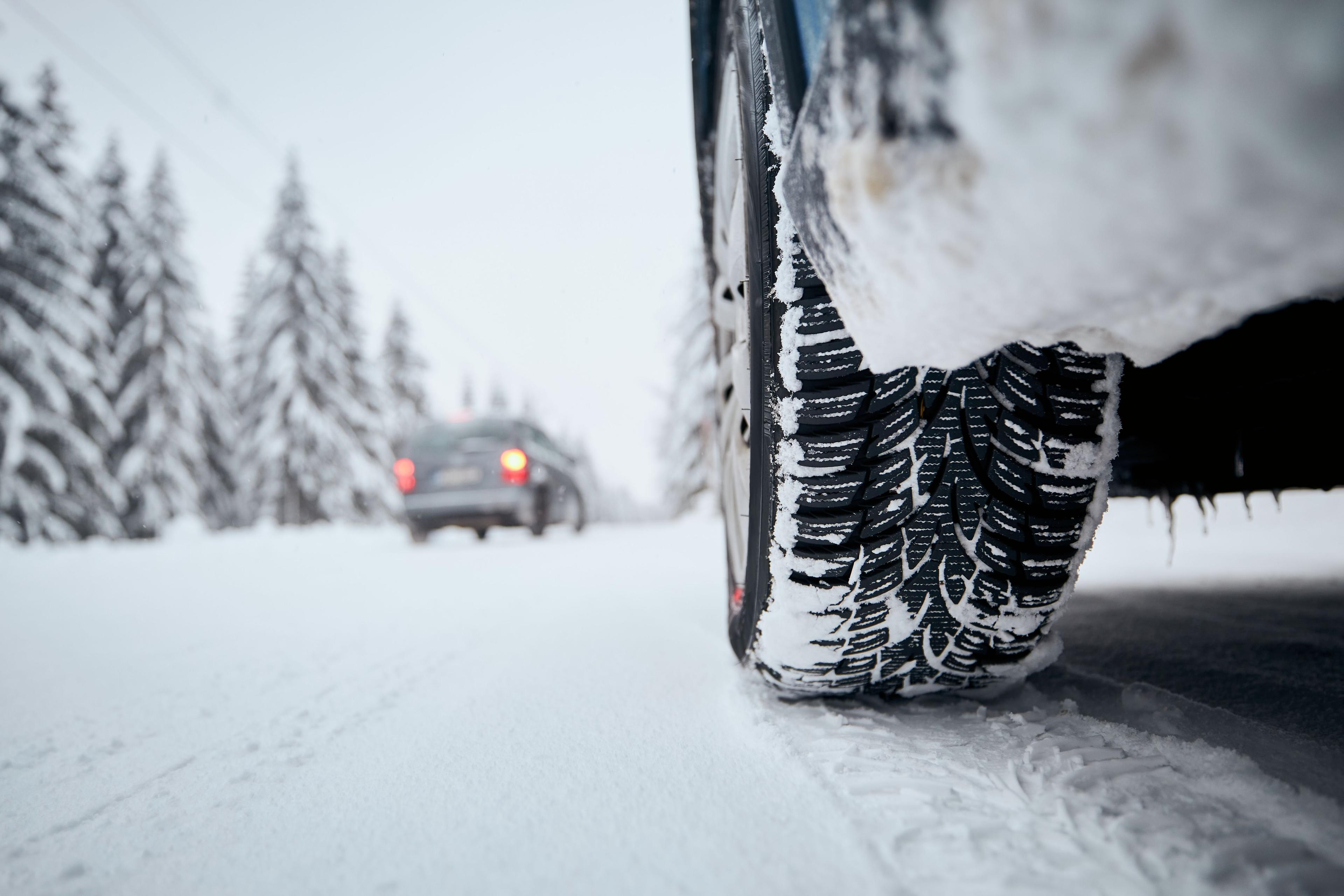
Most of us have had that slow-motion moment in January when the car keeps sliding toward a junction even though you are already on the brake. In the cold, your tires decide what happens next. Below about 45°F (7°C), the rubber in many all-season tires stiffens and grip falls off. Winter tires use a cold-ready compound that stays flexible, along with deeper grooves and lots of tiny slits called sipes. Those sipes open under load and create hundreds of extra biting edges on wet or packed snow. If you want one quick check, look for the Three-Peak Mountain Snowflake symbol on the sidewall. That mark means the tire has passed a verified winter performance test.
AWD Helps You Go, Tires Help You Stop
All-wheel drive helps you get moving. It does not help you stop or turn. Braking, cornering, and quick lane changes come down to grip at the contact patch. A small hatchback on quality winter tires can out brake a bigger SUV on worn all-seasons on cold, wet pavement. That shows up as several car lengths by the time you stop, which can be the difference between a close call and a claim.
When To Switch And What To Buy
Think temperature, not the first snowfall. Once daytime highs settle below roughly 45°F (7°C), fit winter tires. When spring stays above that mark, switch back. Many drivers choose a dedicated winter wheel and tire package. It makes the seasonal swap quick, saves mounting fees, and protects nicer wheels from salt. If you can, step down one wheel size and go slightly narrower while keeping overall rolling diameter similar. Narrower tires cut through slush better and replacement wheels are usually cheaper if you clip a curb.
You need four matching winter tires, not two. Mixing winter tires on one axle with all-seasons on the other creates a handling mismatch. The car might turn faster than it can stop, or stop faster than it can turn. A matched set keeps balance predictable.
Setup Tips, Costs, And Care
Check pressures monthly in the cold. Air pressure drops about 1 PSI for every 43°F (6°C) the temperature falls. Underinflation hurts grip and scrubs tread. Measure when the tires are cold and use the placard inside your driver door as your target. Keep an eye on tread depth as well. Winter performance fades once you get close to 4 mm remaining, even if the tire looks fine at a glance.
Studless winter tires cover most needs and are strong on cold, wet, and packed snow while staying quieter. Studded tires can add ice traction in extreme conditions, but they are noisy and rules vary by region, so check local regulations and be honest about your daily roads.
Cost feels like buying twice, but you are really splitting the year between two sets. Each set wears only half the miles, which extends life. Storage is simple. Wash off salt, mark each tire for its last position, and store in a cool, dry place away from sunlight. Wheels with tires can be stacked flat. Bare tires prefer to stand upright.
Quick checklist
- Four matching winter tires
- Three-Peak Mountain Snowflake symbol
- Slightly narrower size on a smaller wheel if possible
- Check pressures monthly
- Consider replacement near 4 mm
- Swap near the 45°F (7°C) threshold.
How AutosToday Helps You Get Winter Ready
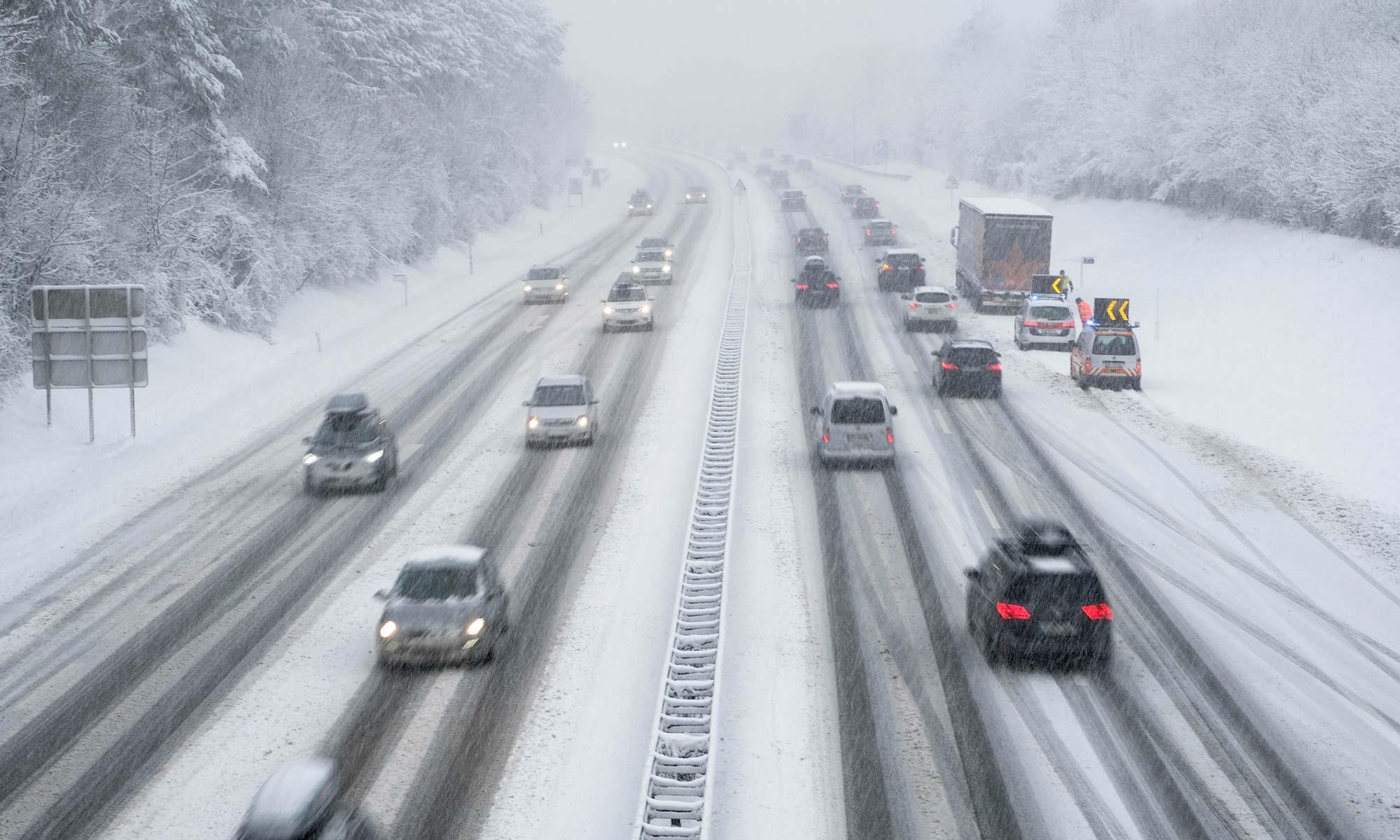
If winter is your nudge to change vehicles, the AutosToday Buy page lets you filter for heated seats and steering, remote start, and all-wheel drive if that fits your routes. We show transparent deal ratings so you can compare trims and prices without guesswork. The moment you request information, your inquiry lands in our dealer Lead Management dashboard, which speeds follow up on tires, wheel packages, or a winter-ready test drive.
Trading or selling to step into something more capable? Our VIN Appraisal experience helps dealers make data-backed offers. They see SafeOffer pricing bands, days-to-sell forecasts, wholesale and guidebook valuations, and profit math on one screen. That speeds decisions and cuts back and forth, so you get a cleaner number and a faster path into a car that suits your winter.
Related Articles
How Long Do Car Batteries Last? Everything You Need to Know
side. A dead car battery is one of the most common reasons for cars...
Feb 6, 2025 • 5 min read
Common Problems With Traction Control
Did you know that nearly 70% of modern vehicles come equipped with traction control systems (TCS)? This technology...
Oct 10, 2024 • 5 min read
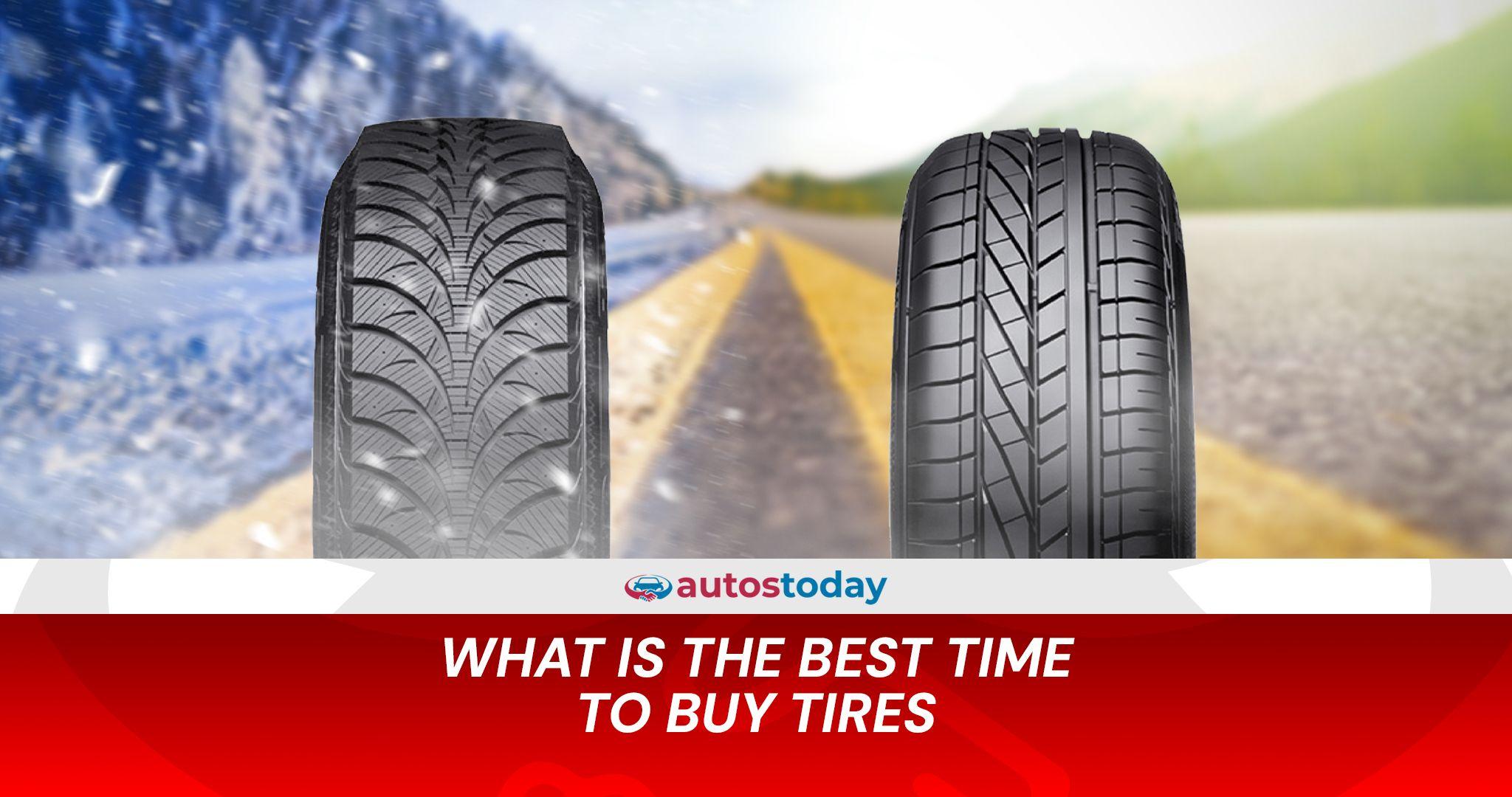
What Is The Best Time to Buy Tires?
Tires are essential for your vehicle’s safety, performance, and fuel...
Oct 31, 2024 • 4 min read

How Long Should You Let Your Car Warm Up? (And Why Less Is More)
For most modern vehicles, allowing your car to idle for 30 seconds to one minute is generally sufficient...
Feb 13, 2025 • 4 min read