
Best Winter Tires of 2025

Published on Jan 3, 20255 min read

Best Winter Tires of 2025

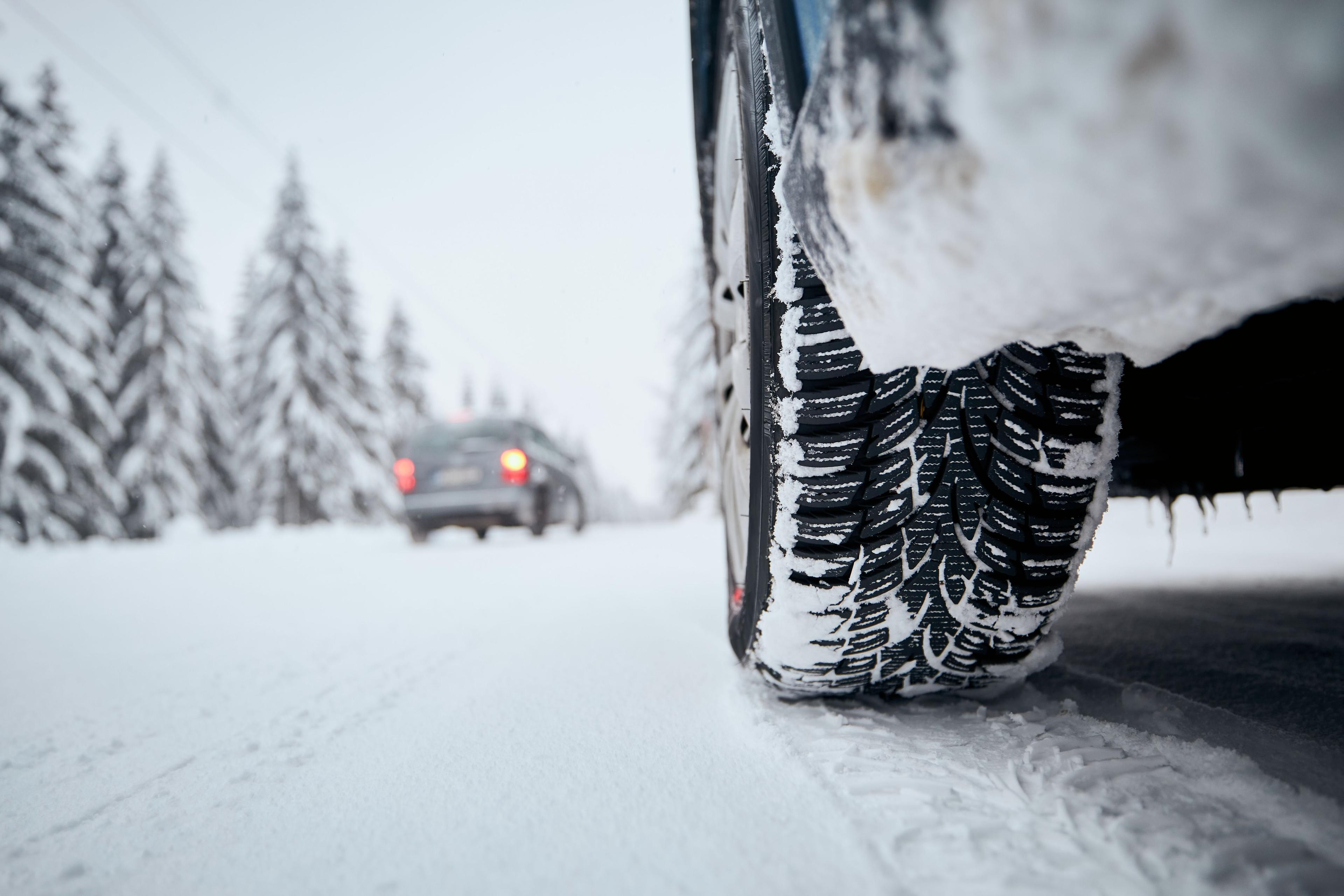
The top winter tires for 2025 include the Bridgestone Blizzak WS90, Michelin X-Ice Snow, Nokian Hakkapeliitta R5, Continental VikingContact 7, and Pirelli P Zero Winter. These tires excel in snow and ice conditions, providing drivers with confidence and control during winter driving.

Top Winter Tires of 2025

1. Bridgestone Blizzak WS90

Pros:

  • Exceptional traction on snow and ice.
  • Improved tread life compared to its predecessor.
  • Enhanced handling in various winter conditions.
  • Multi-cell compound helps wick away water for a better grip on ice.
  • Available in a wide range of sizes (15 to 19 inches).

Cons:

  • Generates noticeable road noise at higher speeds.
  • Softer rubber may wear faster than all-season tires on dry roads.

Five Main Tests:

  1. Snow Handling Test: Outstanding grip during acceleration on snowy surfaces.
  2. Ice Performance Test: Short stopping distances on icy roads.
  3. Wet Traction Test: Good performance in rain, minimizing hydroplaning risks.
  4. Longevity Test: Shows resilience under extreme winter driving conditions.
  5. Comfort Test: Provides a smooth ride but may produce noise at highway speeds.

2. Michelin X-Ice Snow

Pros:

  • Excellent performance in various winter conditions.
  • Specialized tread design ensures stability and grip on icy roads.
  • Long-lasting tread life due to durable construction.
  • Comfortable ride quality with reduced road noise.
  • High ratings for wet grip and hydroplaning resistance.

Cons:

  • Higher price point compared to some competitors.
  • May not perform as well in deep snow compared to more aggressive tires.

Five Main Tests:

  1. Snow Handling Test: Reliable handling characteristics in snowy conditions.
  2. Ice Performance Test: Strong grip on icy surfaces for enhanced safety.
  3. Wet Traction Test: Excellent stopping power on wet surfaces, reducing accident risks.
  4. Longevity Test: Demonstrates extended tread life under various driving conditions.
  5. Comfort Test: Provides a quiet and comfortable ride experience.

3. Nokian Hakkapeliitta R5

Pros:

  • Superior grip on ice due to aggressive tread design.
  • Environmentally friendly materials used in construction.
  • Comfortable ride quality with low road noise levels.
  • Three Peak Mountain Snowflake (3PMSF) certified for severe snow conditions.
  • Advanced silica compound enhances flexibility in cold temperatures.

Cons:

  • Premium price point compared to other winter tires.
  • Limited availability in certain sizes.

Five Main Tests:

  1. Snow Handling Test: Excellent maneuverability through deep snowdrifts.
  2. Ice Performance Test: Outstanding grip on icy surfaces, ideal for severe winter conditions.
  3. Wet Traction Test: Good performance in wet conditions, reducing hydroplaning risk.
  4. Longevity Test: High durability under harsh winter driving conditions.
  5. Comfort Test: Low noise levels contribute to a comfortable driving experience.

4. Continental VikingContact 7

Pros:

  • Combines safety and comfort with reliable traction in snowy and icy conditions.
  • Excellent braking performance on wet surfaces.
  • Focused on fuel efficiency and longevity, making it economical over time.
  • Versatile design suitable for a variety of vehicles including sedans and SUVs.
  • Good handling characteristics in both dry and wet conditions.

Cons:

  • May not provide the same level of extreme snow performance as some competitors.
  • Slightly less aggressive tread pattern compared to dedicated winter tires.

Five Main Tests:

  1. Snow Handling Test: Reliable handling characteristics in snowy conditions.
  2. Ice Performance Test: Good traction on icy roads, enhancing driver confidence during winter drives.
  3. Wet Traction Test: Demonstrates excellent stopping power on wet surfaces, reducing accident risks.
  4. Longevity Test: Shows good mileage performance under various driving conditions.
  5. Comfort Test: Offers a comfortable ride with manageable road noise levels.

5. Pirelli P Zero Winter

Pros:

  • Ideal for high-performance vehicles with excellent handling capabilities.
  • Delivers strong traction in cold weather without compromising driving dynamics.
  • Innovative tread design enhances snow performance while maintaining stability on dry roads.
  • Features specialized compounds for improved grip during winter months.
  • Low rolling resistance helps improve fuel efficiency.

Cons:

  • Not suitable for use in consistently warm temperatures above 45°F (7°C).
  • A higher price point may not be feasible for all budgets.

Five Main Tests:

  1. Snow Handling Test: Strong grip and handling characteristics in snowy conditions.
  2. Ice Performance Test: Provides good traction on icy roads for high-performance applications.
  3. Wet Traction Test: Good performance in wet weather, minimizing hydroplaning risks while maintaining grip.
  4. Longevity Test: Designed for durability under various driving conditions while maintaining performance levels.
  5. Comfort Test: Provides a quiet ride experience despite its high-performance focus.

Conclusion

Choosing the right winter tires can make all the difference when navigating snowy or icy roads. The Bridgestone Blizzak WS90, Michelin X-Ice Snow, Nokian Hakkapeliitta R5, Continental VikingContact 7, and Pirelli P Zero Winter are all excellent options that offer superior performance and safety during winter driving conditions.

Key Takeaways

  • The Bridgestone Blizzak WS90 excels in snow performance while providing a strong wet grip and comfort features.
  • Michelin X-Ice Snow remains a benchmark for all-around performance with excellent durability.
  • Nokian Hakkapeliitta R5 provides a superior grip on ice while being environmentally friendly.
  • Continental VikingContact 7 ensures reliable traction while focusing on fuel efficiency and comfort.
  • Pirelli P Zero Winter is ideal for high-performance vehicles with excellent handling capabilities.

Frequently asked questions

How do I know if I need new winter tires?

You may need new winter tires if you notice any of the following signs: Worn Tread Depth: Less than 4/32 inches of tread depth can significantly reduce traction. Visible Damage: Cracks, bulges, or punctures in the tire. Poor Performance: If your vehicle struggles to maintain traction or control in snowy or icy conditions.

Can I use winter tires year-round?

While you can technically use winter tires year-round, it is not recommended as they wear out faster on warm pavement and may not perform well in dry or wet conditions outside of winter months.

How do I choose the right size of winter tire?

Refer to your vehicle’s owner manual or check the placard located inside the driver’s side door jamb for recommended tire sizes. Always ensure that any new tires match your vehicle's specifications for optimal safety and performance.